MFC Jig Get Down Sow Fly
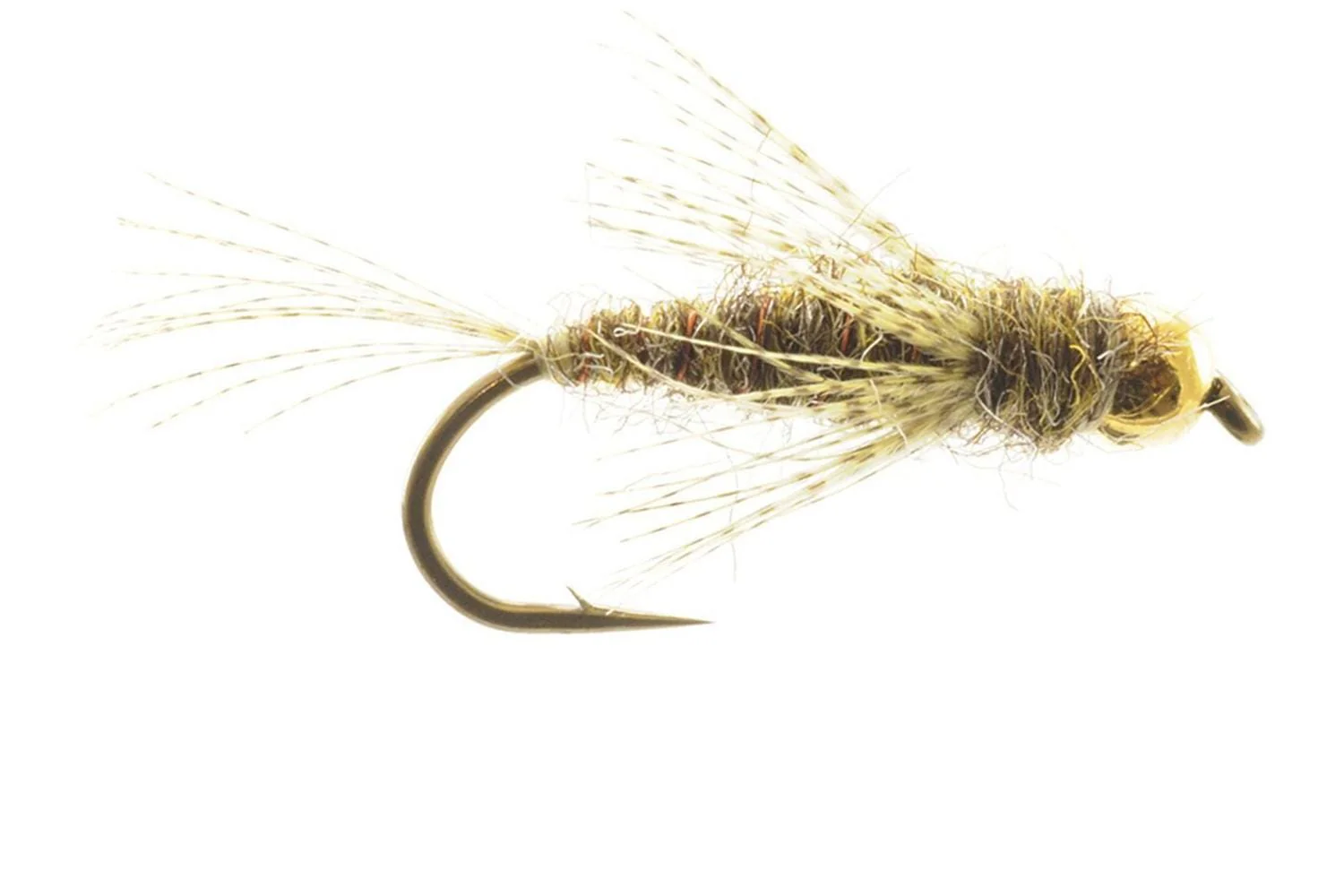
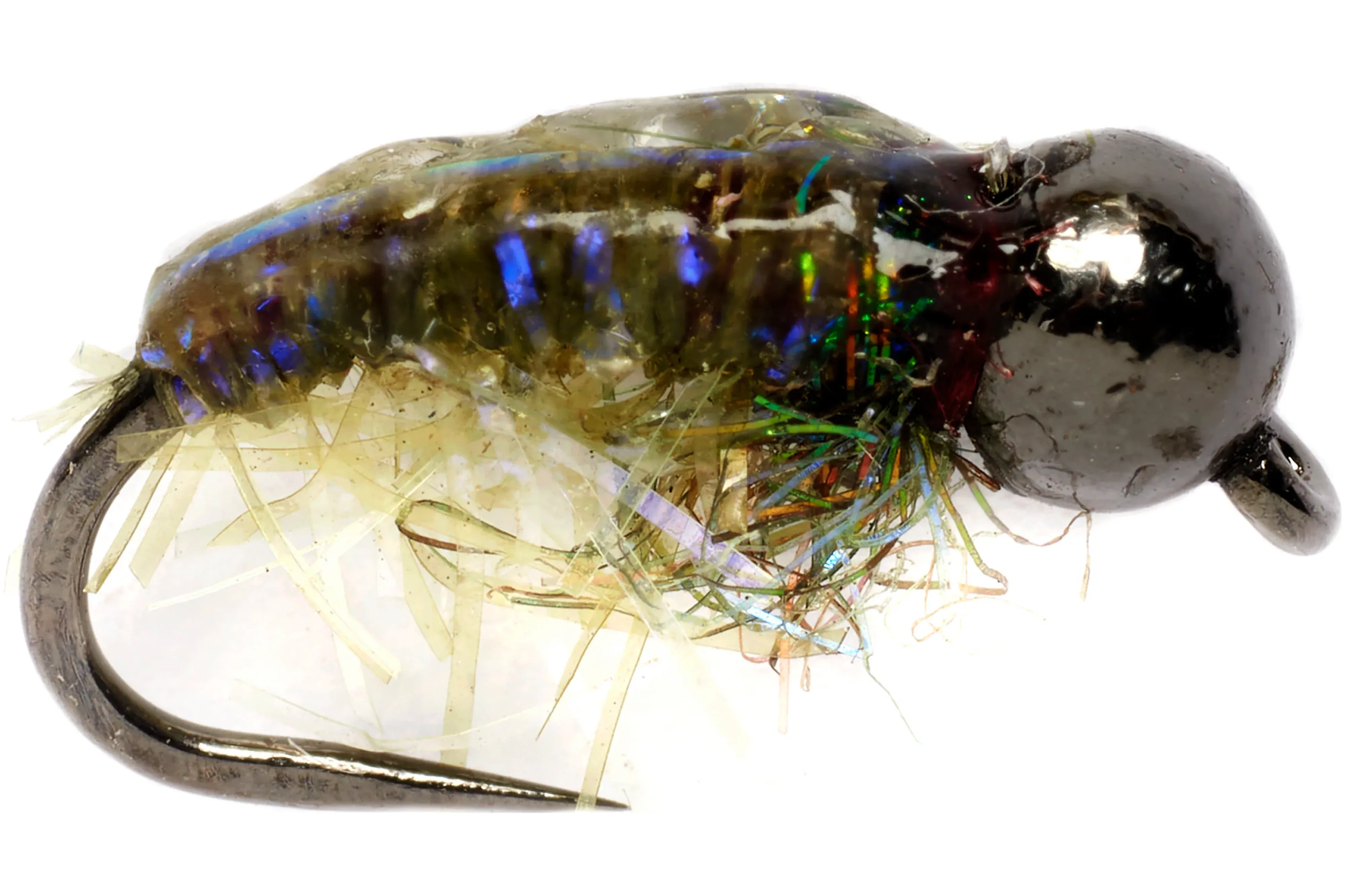
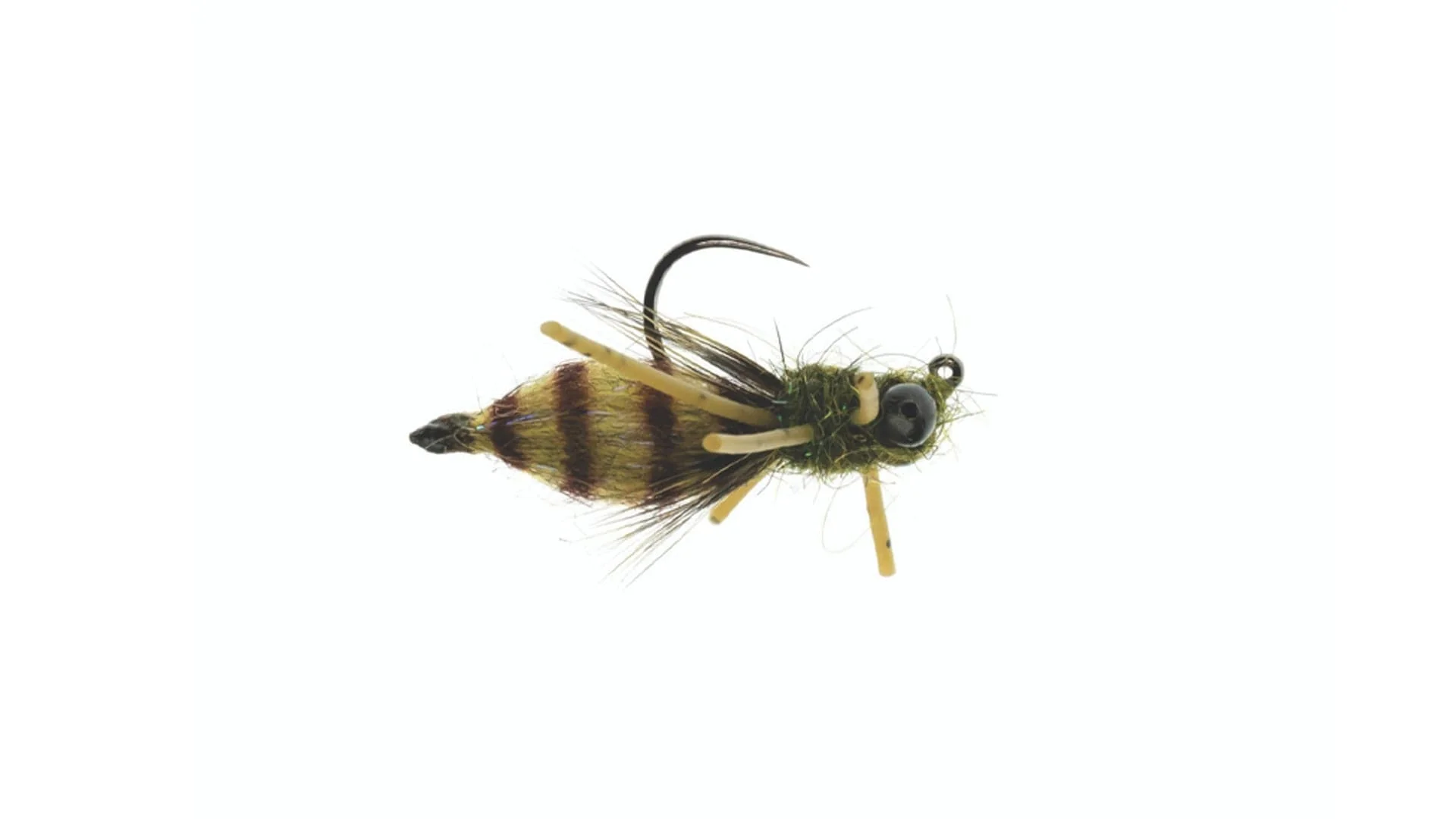
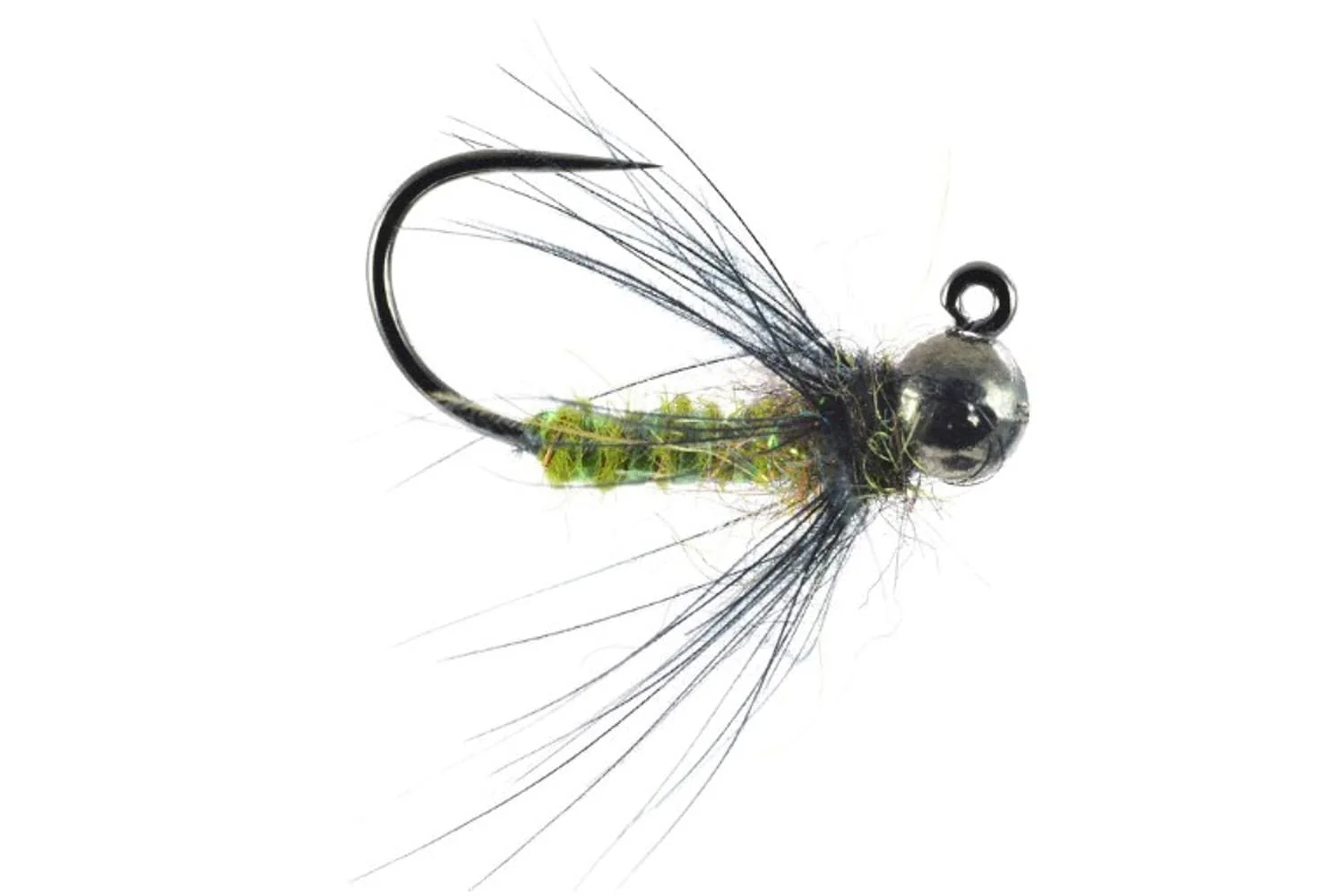
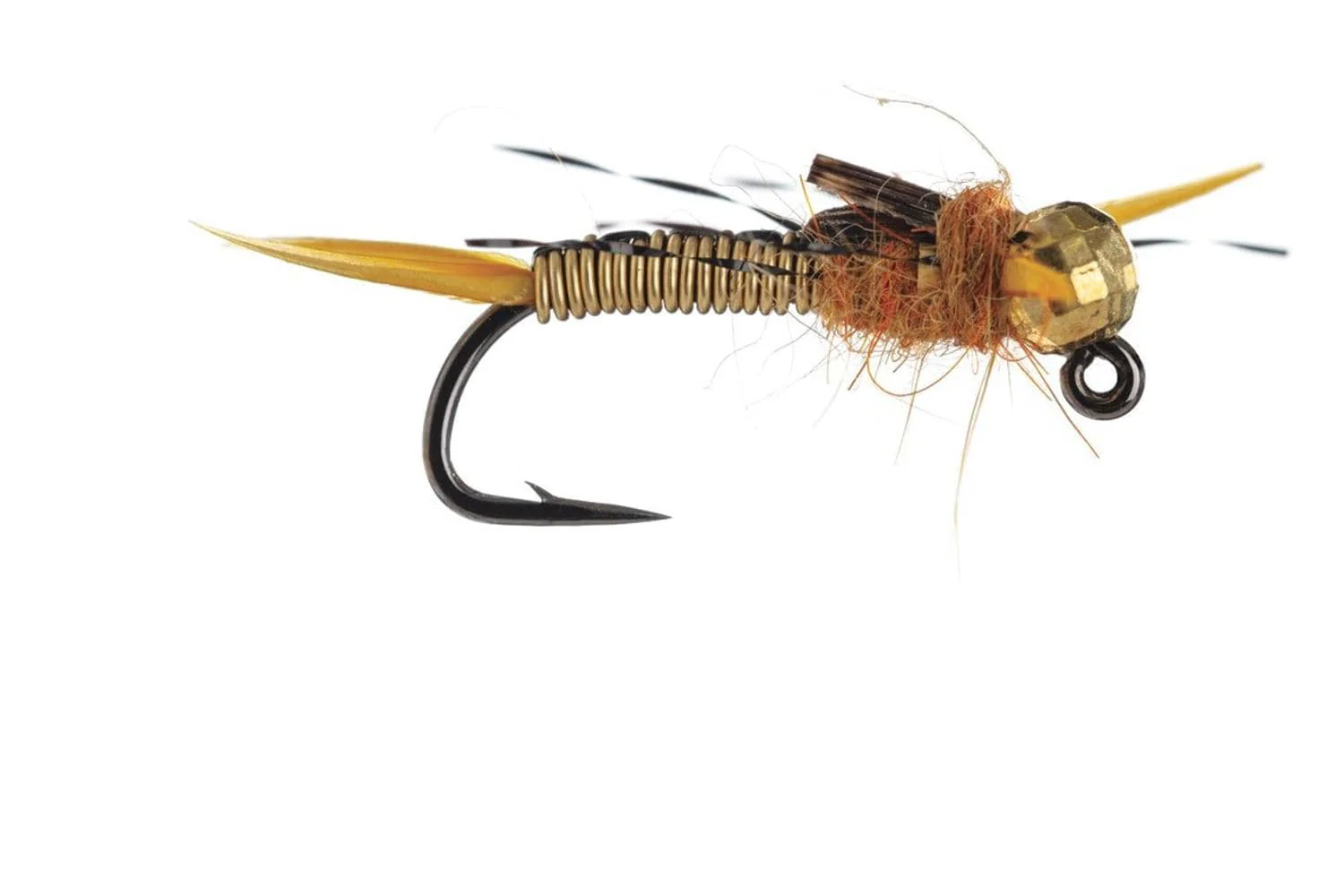
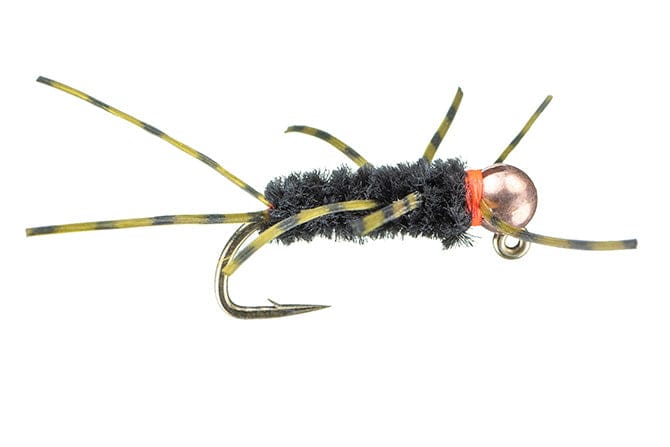
The MFC Jig Get Down Sow Fly is a specialized pattern designed to catch trout in nutrient-rich rivers. This fly mimics a sowbug which is a major food source for fish in tailwaters like the Bighorn or Missouri rivers. It features a heavy bead and a jig-style hook that helps it sink quickly to where the fish are feeding. Anglers consider this a "must-have" pattern because it reaches the bottom fast and stays in the strike zone longer than lighter flies.
What It Imitates
This pattern imitates a sowbug which is a freshwater crustacean also known as an isopod. These bugs live in aquatic vegetation and provide a constant food source for trout throughout the year. The fly copies the flat profile and segmented body of the natural insect to fool wary fish.
How To Use It
You should fish this fly deep near the river bottom where real sowbugs live. It works perfectly for tight-line or Euro nymphing techniques because the jig hook rides with the point up to reduce snags. You can also fish it under a strike indicator in deep runs. Allow the fly to dead-drift naturally with the current for the best results.
When To Use It
This fly shines in tailwaters and spring creeks where aquatic weeds are common. It is a great choice year-round since sowbugs are always present in these river systems. Use it during high water flows when you need a heavy fly to pierce through the current. It is also a smart choice on cloudy days when fish move out of cover to feed in the channels.
Why We Like It
We like the MFC Jig Get Down Sow Fly because the jig hook design significantly reduces the number of times you get stuck on the bottom. The heavy bead gets the fly down immediately so you do not waste time waiting for it to sink. It is a durable and reliable pattern that solves the problem of fishing deep in weedy water.
Comparisons
MFC Jig Get Down Sow Fly vs Ray Charles Sowbug:
MFC Jig Get Down Sow Fly vs Firebead Sowbug:
MFC Jig Get Down Sow Fly vs Soft Hackle Sowbug:
Product Information
Product Information
Shipping & Returns
Shipping & Returns
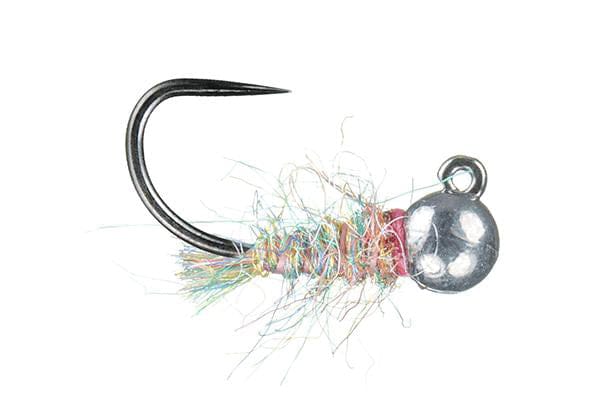
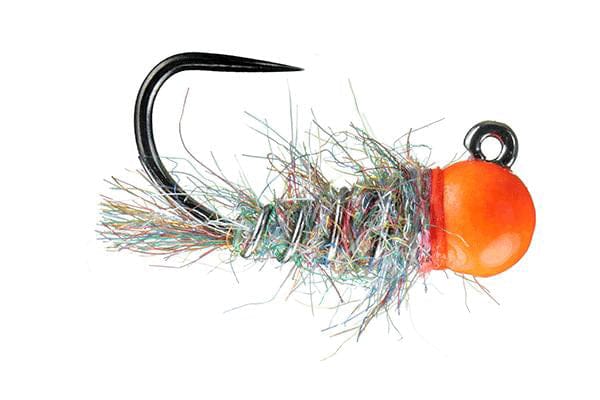
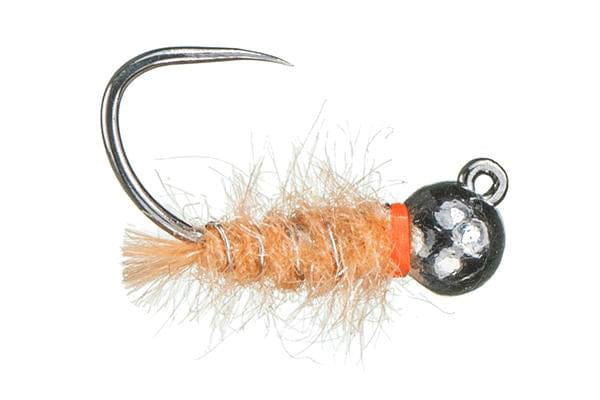
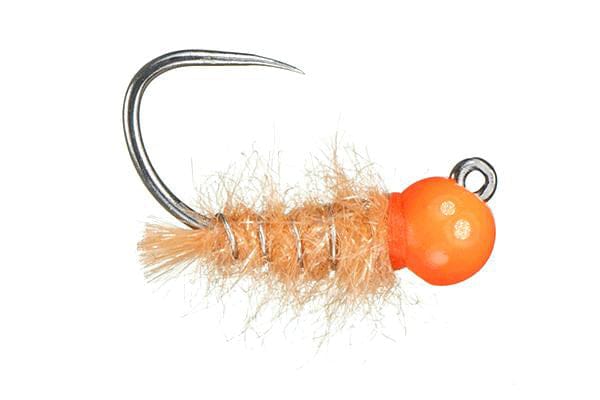
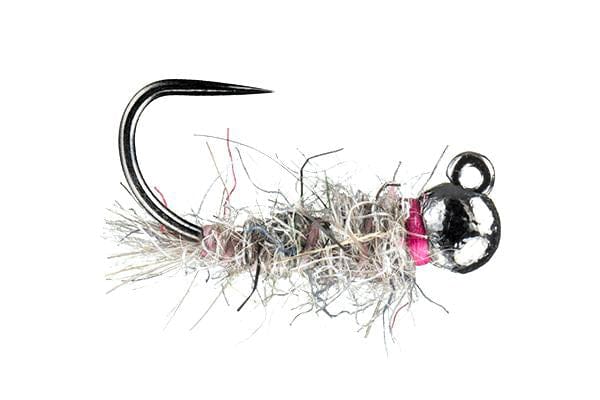
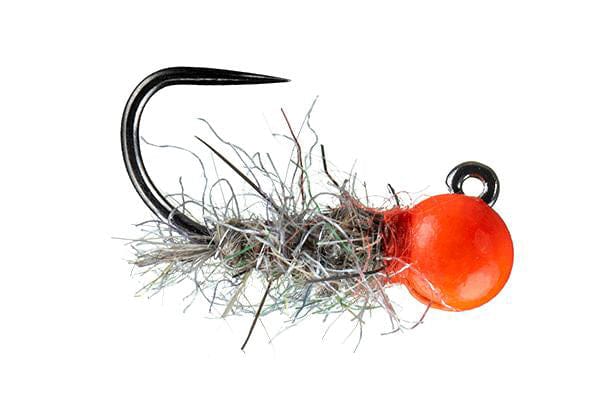
MFC Jig Get Down Sow Fly
MFC Jig Get Down Sow Fly
The MFC Jig Get Down Sow Fly is a specialized pattern designed to catch trout in nutrient-rich rivers. This fly mimics a sowbug which is a major food source for fish in tailwaters like the Bighorn or Missouri rivers. It features a heavy bead and a jig-style hook that helps it sink quickly to where the fish are feeding. Anglers consider this a "must-have" pattern because it reaches the bottom fast and stays in the strike zone longer than lighter flies.
What It Imitates
This pattern imitates a sowbug which is a freshwater crustacean also known as an isopod. These bugs live in aquatic vegetation and provide a constant food source for trout throughout the year. The fly copies the flat profile and segmented body of the natural insect to fool wary fish.
How To Use It
You should fish this fly deep near the river bottom where real sowbugs live. It works perfectly for tight-line or Euro nymphing techniques because the jig hook rides with the point up to reduce snags. You can also fish it under a strike indicator in deep runs. Allow the fly to dead-drift naturally with the current for the best results.
When To Use It
This fly shines in tailwaters and spring creeks where aquatic weeds are common. It is a great choice year-round since sowbugs are always present in these river systems. Use it during high water flows when you need a heavy fly to pierce through the current. It is also a smart choice on cloudy days when fish move out of cover to feed in the channels.
Why We Like It
We like the MFC Jig Get Down Sow Fly because the jig hook design significantly reduces the number of times you get stuck on the bottom. The heavy bead gets the fly down immediately so you do not waste time waiting for it to sink. It is a durable and reliable pattern that solves the problem of fishing deep in weedy water.
Comparisons
MFC Jig Get Down Sow Fly vs Ray Charles Sowbug:
MFC Jig Get Down Sow Fly vs Firebead Sowbug:
MFC Jig Get Down Sow Fly vs Soft Hackle Sowbug:
Product Information
Product Information
Shipping & Returns
Shipping & Returns
Description
The MFC Jig Get Down Sow Fly is a specialized pattern designed to catch trout in nutrient-rich rivers. This fly mimics a sowbug which is a major food source for fish in tailwaters like the Bighorn or Missouri rivers. It features a heavy bead and a jig-style hook that helps it sink quickly to where the fish are feeding. Anglers consider this a "must-have" pattern because it reaches the bottom fast and stays in the strike zone longer than lighter flies.
What It Imitates
This pattern imitates a sowbug which is a freshwater crustacean also known as an isopod. These bugs live in aquatic vegetation and provide a constant food source for trout throughout the year. The fly copies the flat profile and segmented body of the natural insect to fool wary fish.
How To Use It
You should fish this fly deep near the river bottom where real sowbugs live. It works perfectly for tight-line or Euro nymphing techniques because the jig hook rides with the point up to reduce snags. You can also fish it under a strike indicator in deep runs. Allow the fly to dead-drift naturally with the current for the best results.
When To Use It
This fly shines in tailwaters and spring creeks where aquatic weeds are common. It is a great choice year-round since sowbugs are always present in these river systems. Use it during high water flows when you need a heavy fly to pierce through the current. It is also a smart choice on cloudy days when fish move out of cover to feed in the channels.
Why We Like It
We like the MFC Jig Get Down Sow Fly because the jig hook design significantly reduces the number of times you get stuck on the bottom. The heavy bead gets the fly down immediately so you do not waste time waiting for it to sink. It is a durable and reliable pattern that solves the problem of fishing deep in weedy water.
Comparisons
MFC Jig Get Down Sow Fly vs Ray Charles Sowbug:
MFC Jig Get Down Sow Fly vs Firebead Sowbug:
MFC Jig Get Down Sow Fly vs Soft Hackle Sowbug: