Hareline Saltwater Neck Hackle
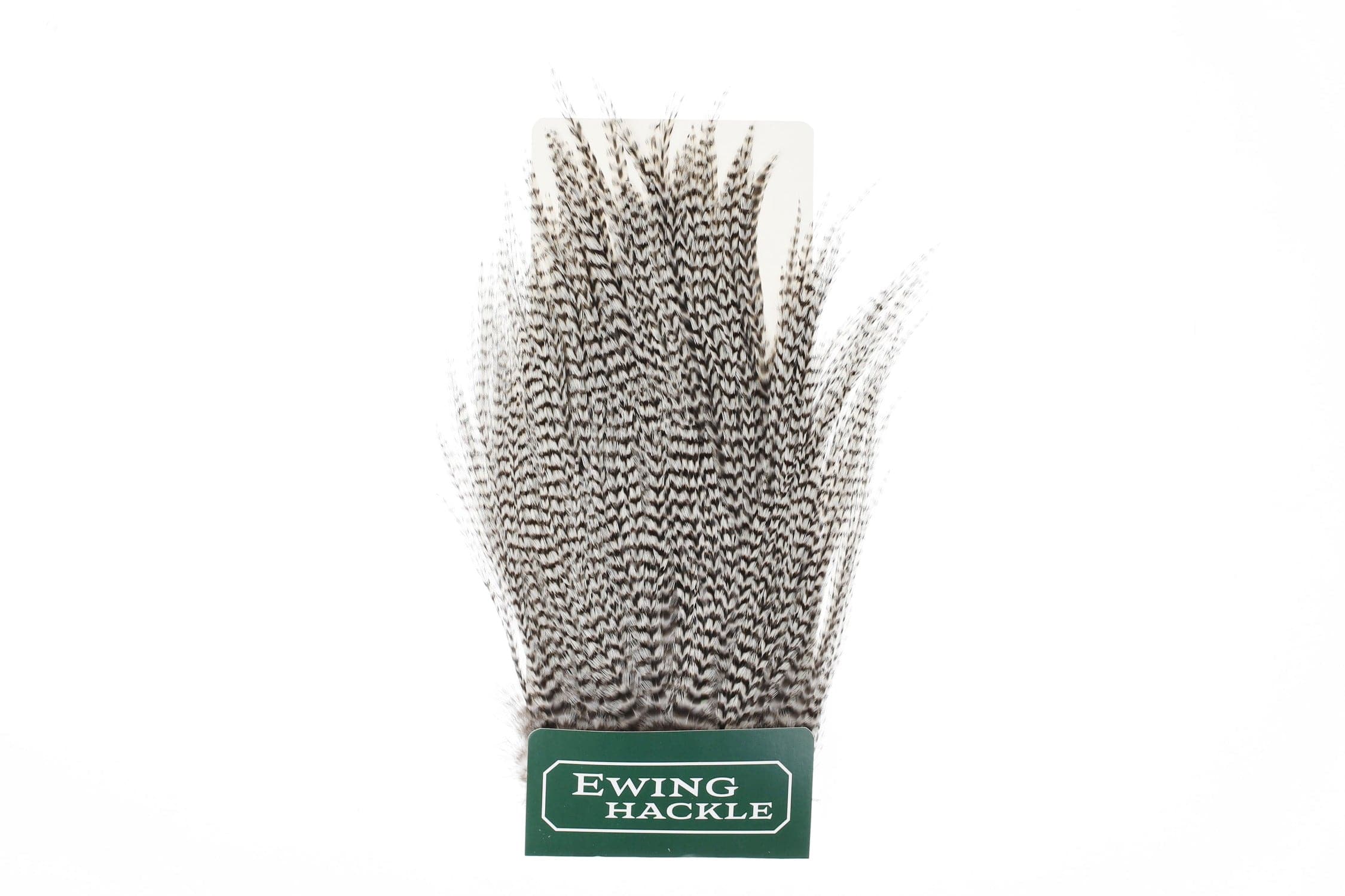
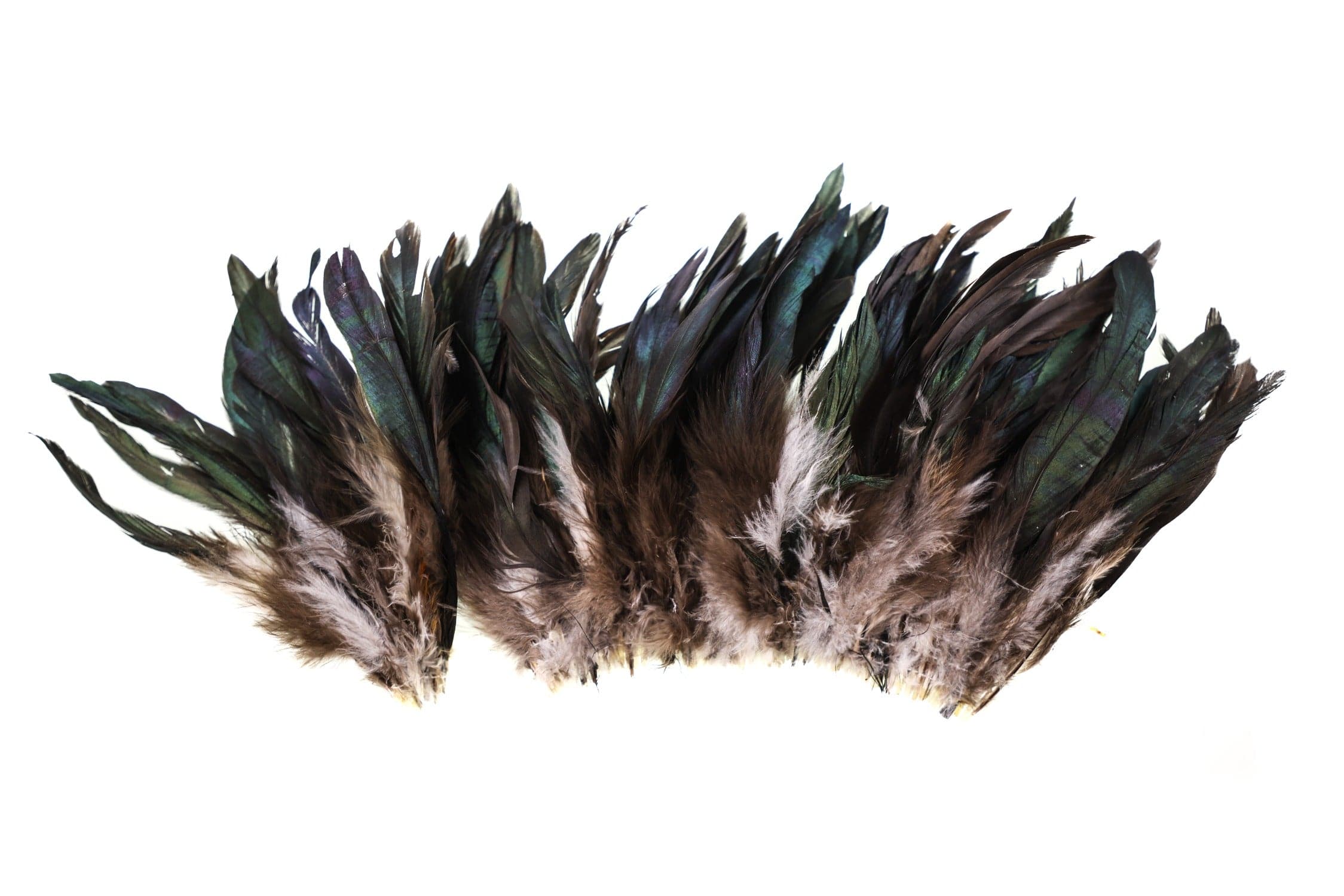
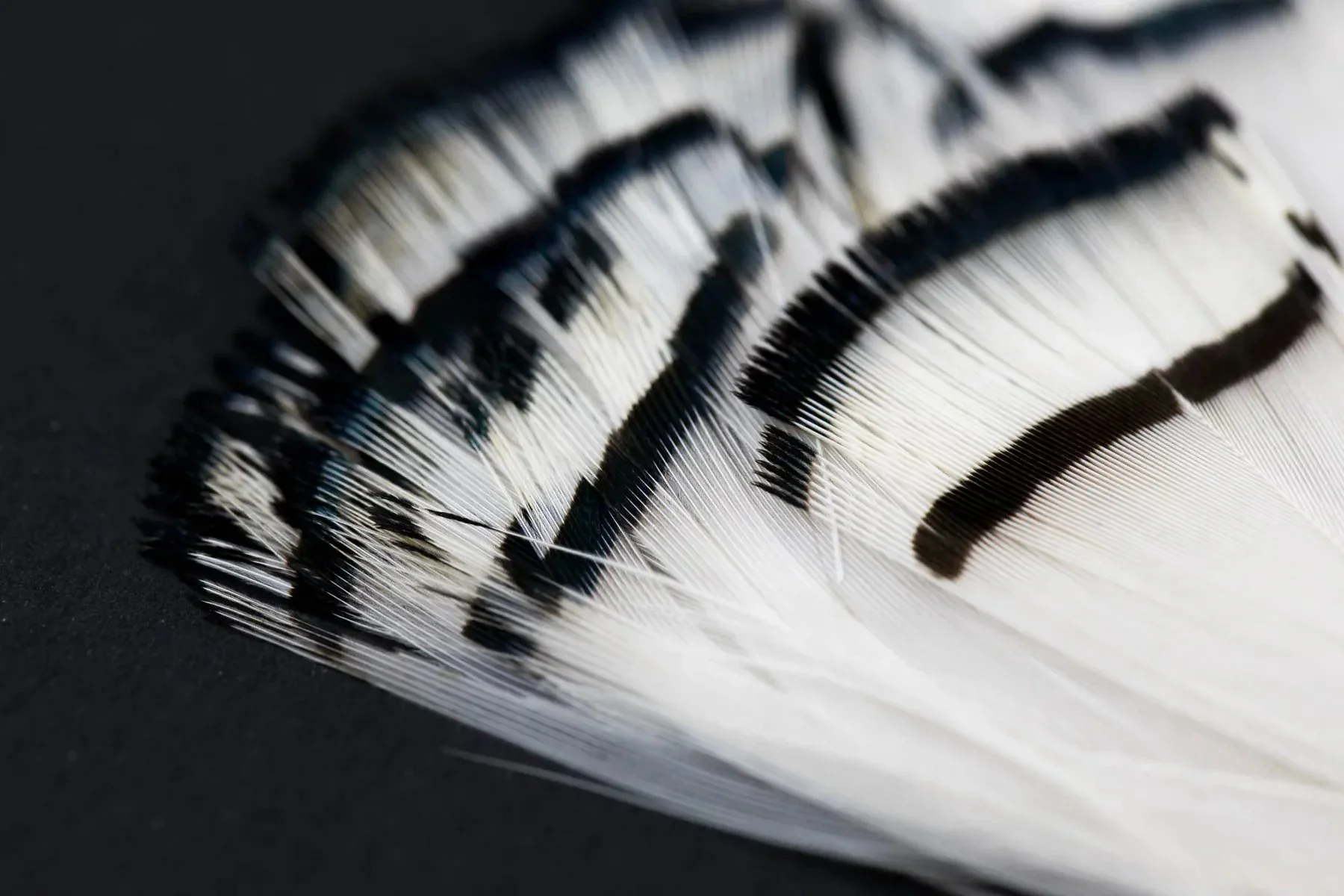
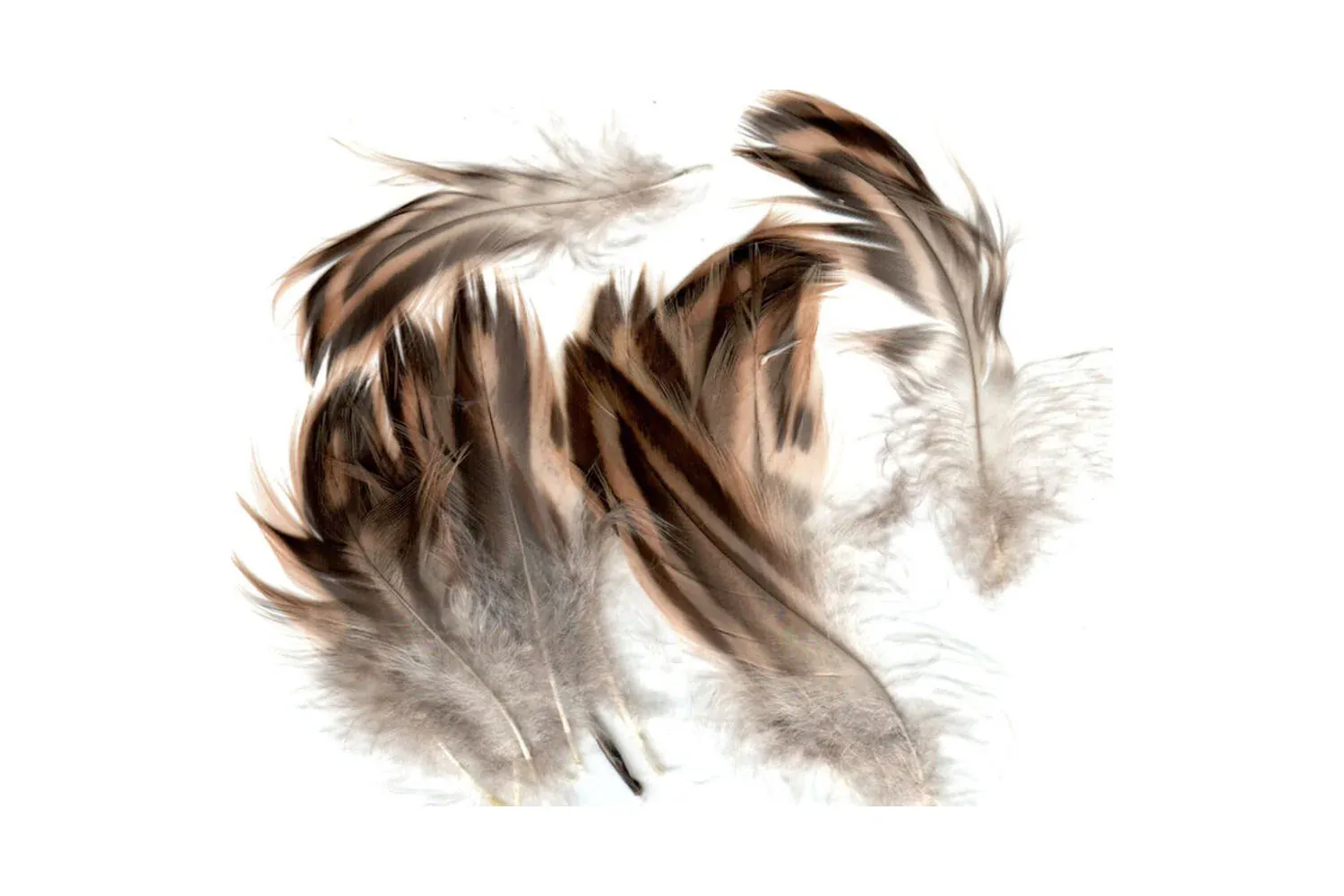
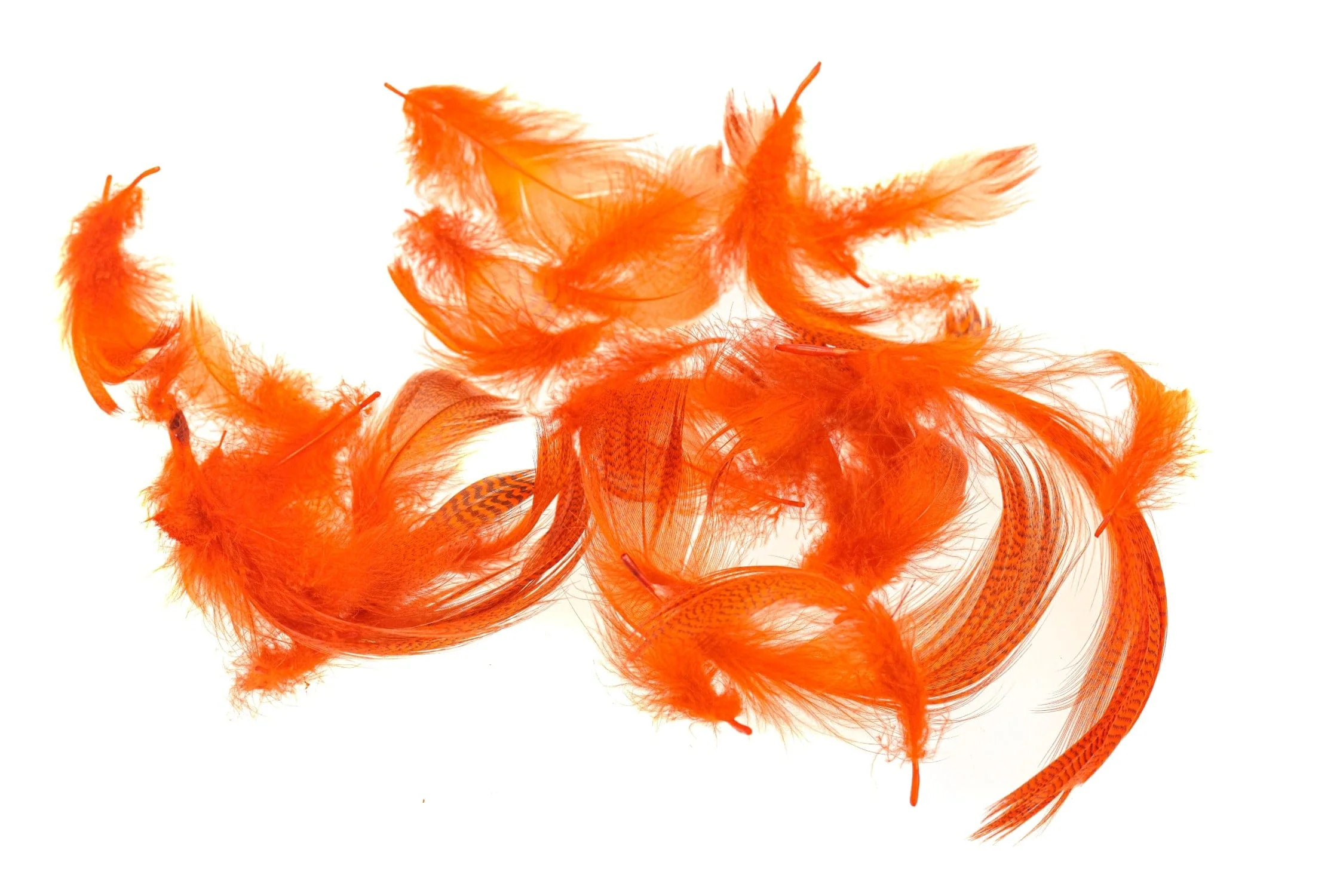
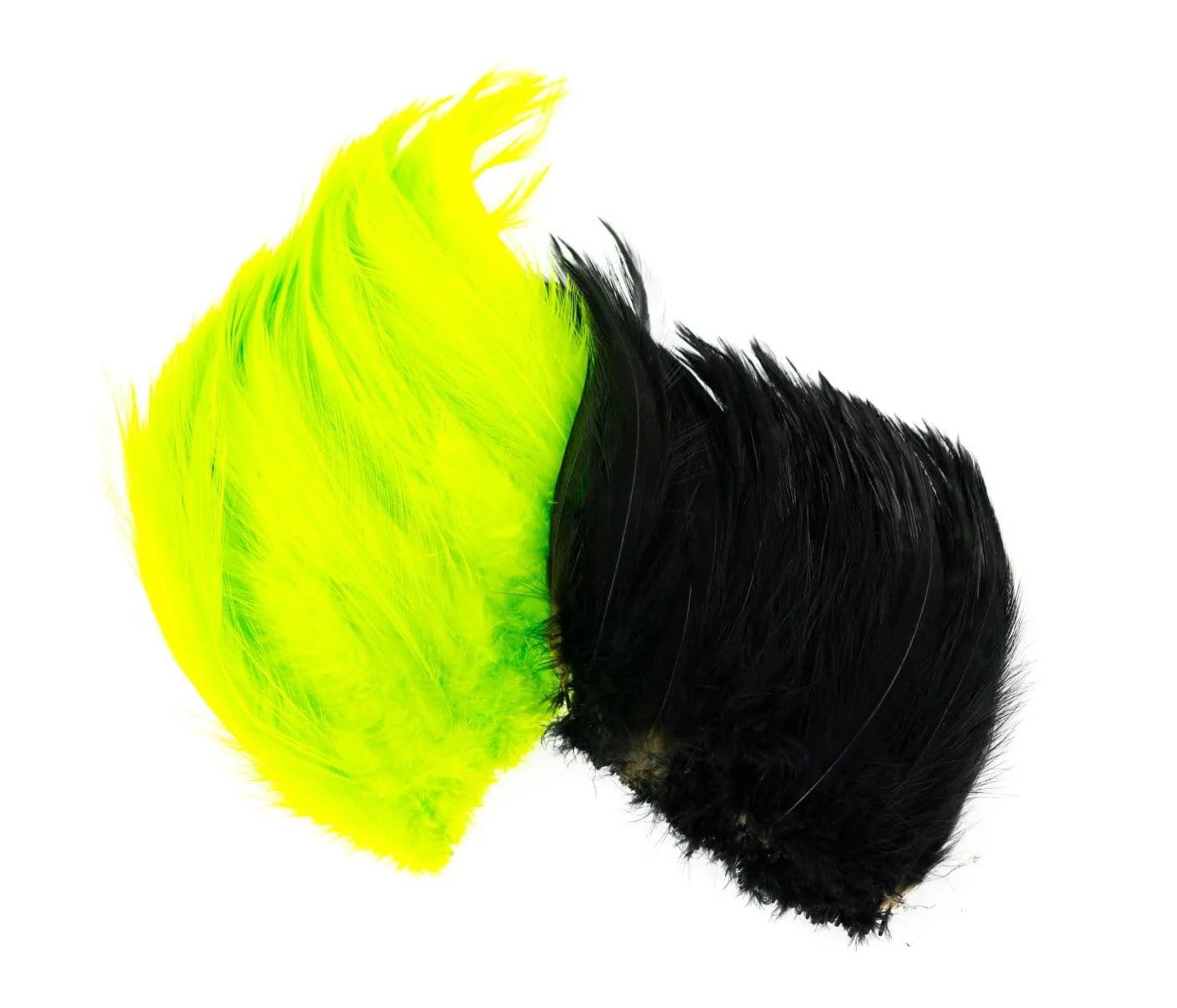
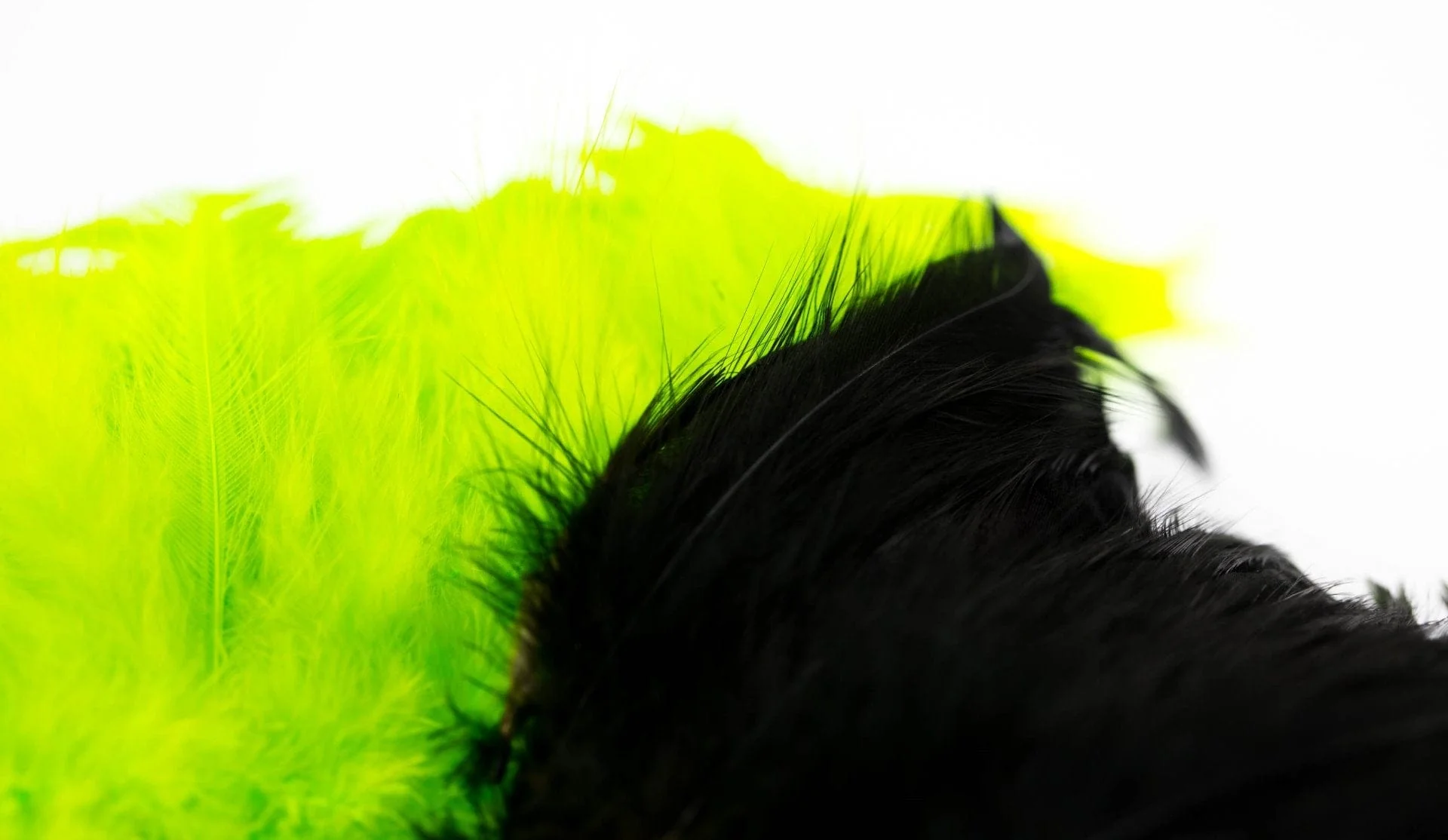
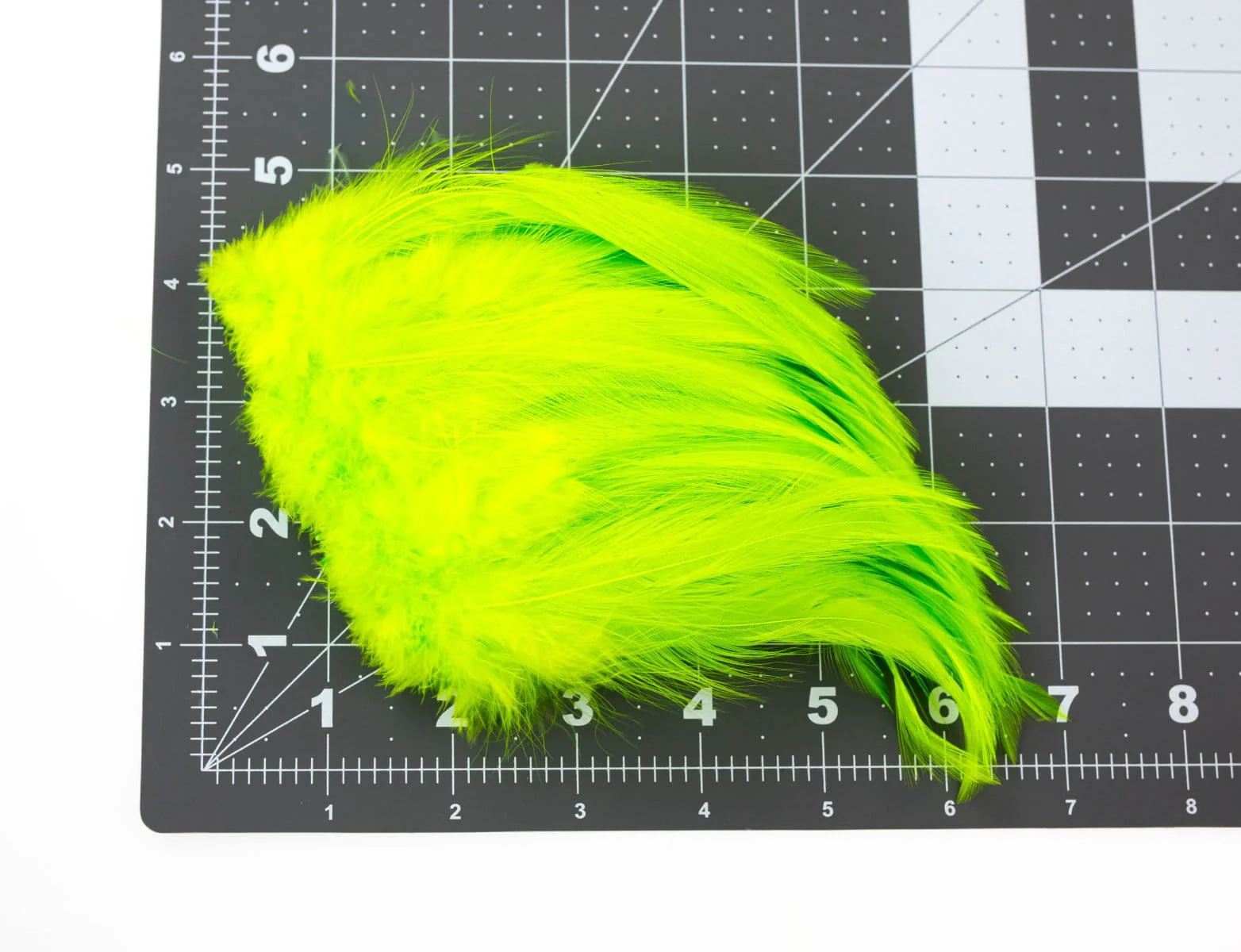
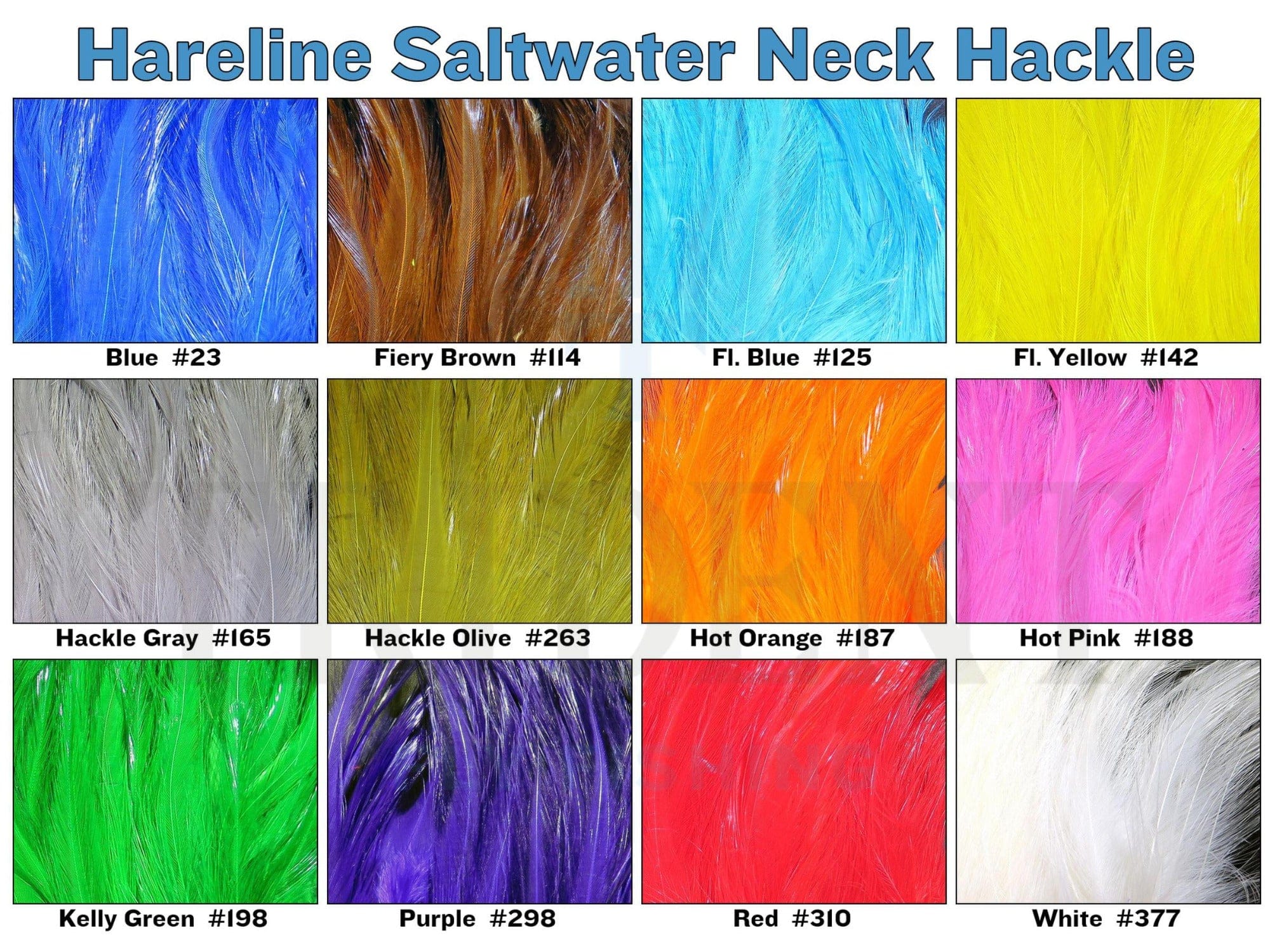
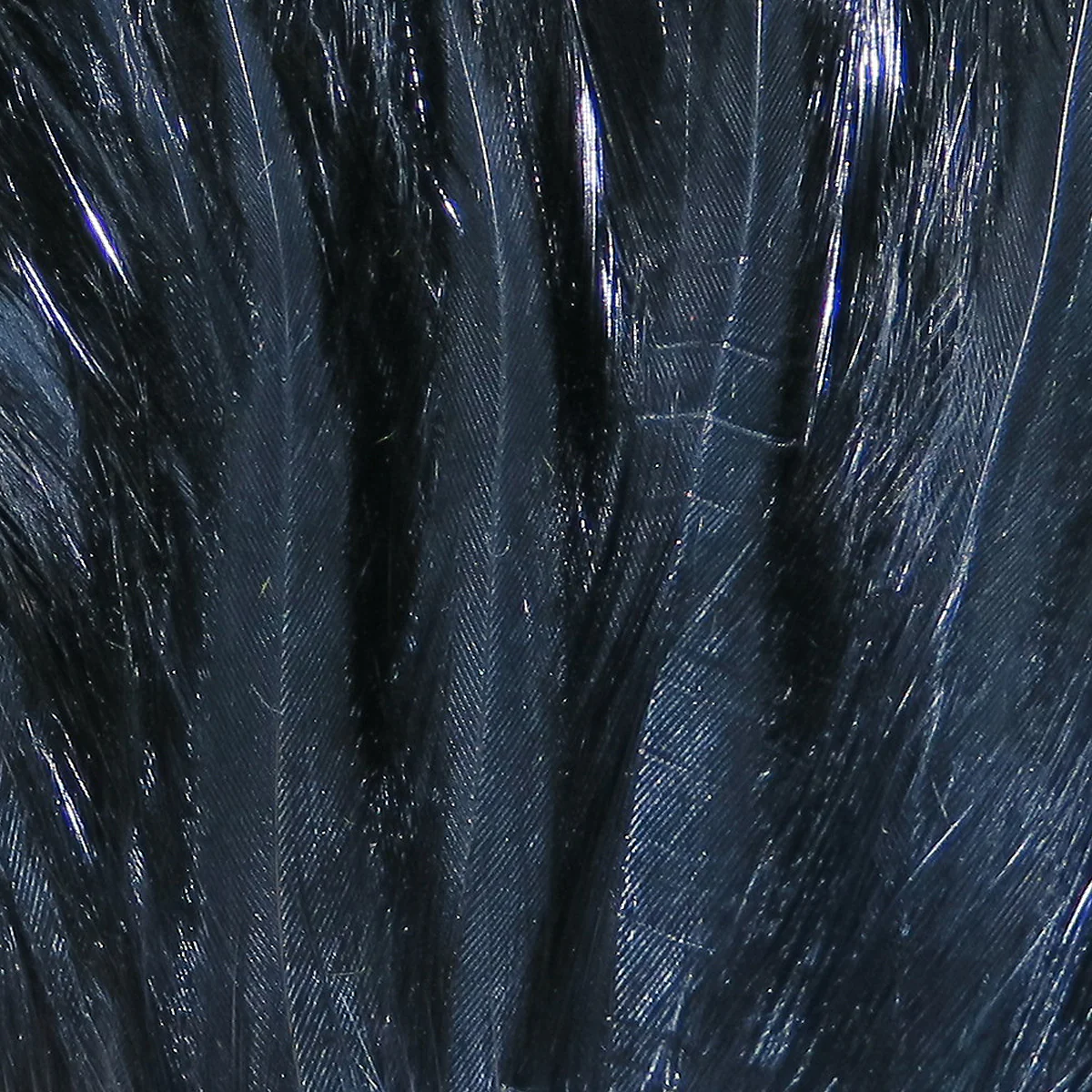
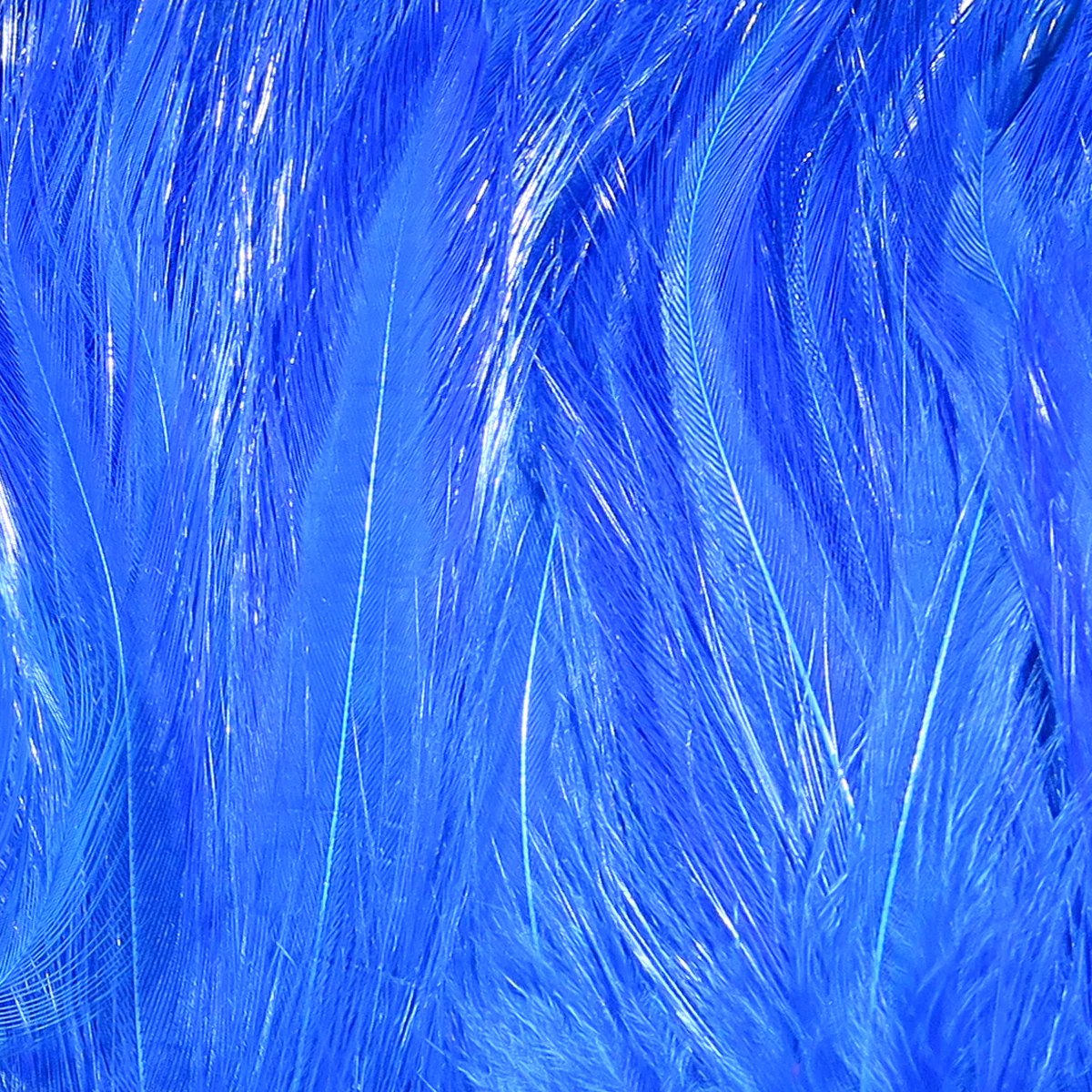
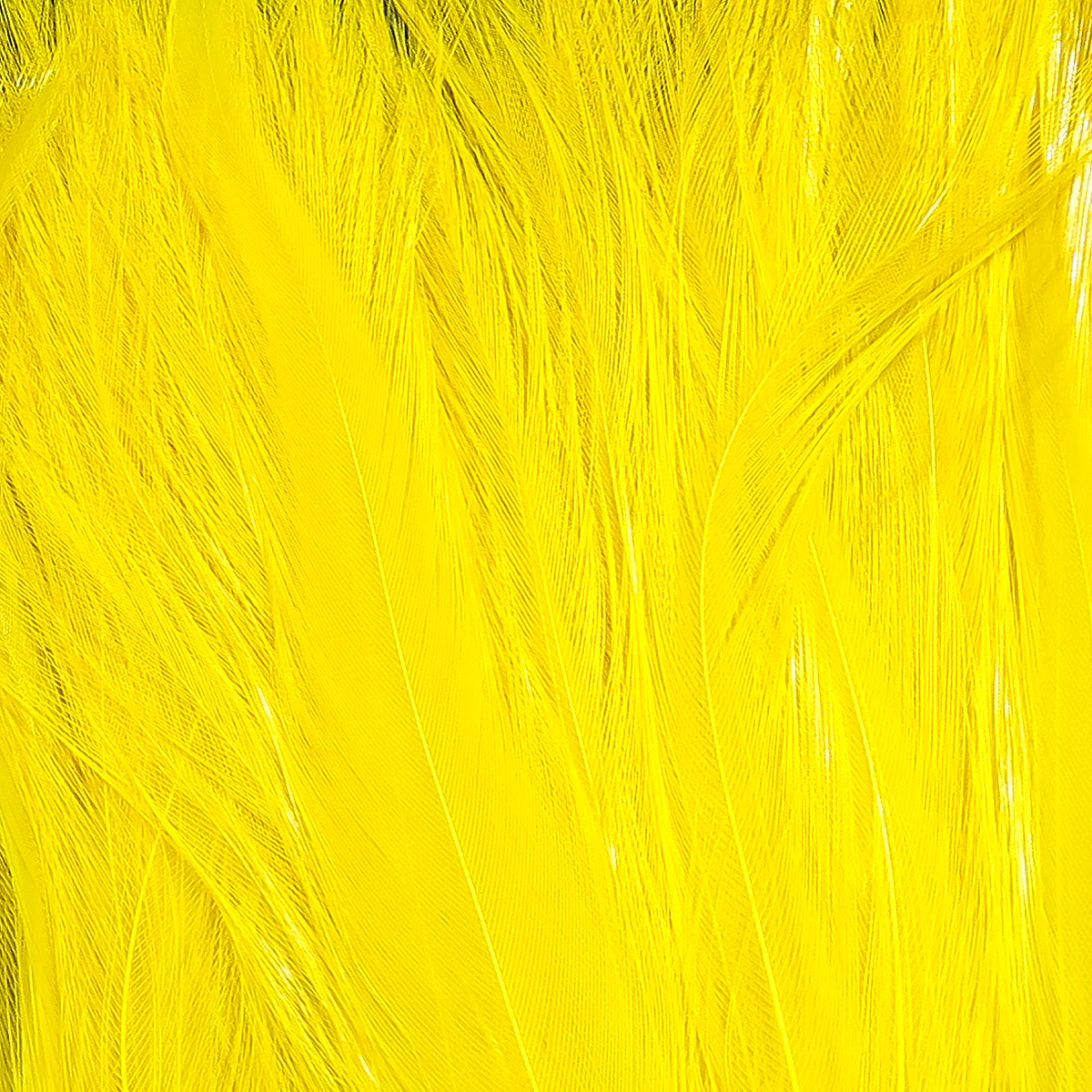
Coming from the neck of a male chicken, Hareline's Saltwater Neck Hackle has springy stems with all of the movement you need to fool tough fish. These feathers are less webby than those found further back on the bird, which makes them a bit more rigid while still having a stem that lets you wrap clean hackles when you need to. A great feather for tying tails on Tarpon Toads or wrapping stiff collars on poppers, Hareline's Saltwater Neck Hackle is made for predatory fish that live in both fresh and saltwater. Dyed in a wide range of colors, you can always find the perfect shade, whether you're tying something bright for post-spawn pike or something more natural to cast into the mangroves in the 'Glades.
Uses
Since Hareline's Saltwater Neck Hackle tends to be less webby and a bit more rigid than saddle hackles, they make for better tails and stiffer collars, whether tying large streamers, Toads, poppers, and some steelhead/salmon anglers even prefer them when wrapping collars on steelhead/salmon flies. These feathers are quite versatile and can be used for a variety of different applications.
Comparisons
A comparable material is Hareline's Strung Saddle Hackles. Both of these options offer nice, long feathers, but the main difference comes from where they're sourced from on the chicken. Saddle Hackles tend to come from further down the chicken's back, whereas the Neck Hackle Feathers are closer to the neck. What this means at the vise is that saddle hackles tend to be a bit webbier, limper, and have more fluff at the base, while Neck Hackles aren't nearly as webby, have a bit more rigid stem, and a minimal amount of fluff. Both of these feathers have a range of applications when tying, so the decision should ultimately be based on what you're tying.
Example Flies
The Tarpon Toad is an excellent fly that utilizes Saltwater Neck Hackle for the tail.
Product Information
Product Information
Shipping & Returns
Shipping & Returns






Hareline Saltwater Neck Hackle
Hareline Saltwater Neck Hackle
Coming from the neck of a male chicken, Hareline's Saltwater Neck Hackle has springy stems with all of the movement you need to fool tough fish. These feathers are less webby than those found further back on the bird, which makes them a bit more rigid while still having a stem that lets you wrap clean hackles when you need to. A great feather for tying tails on Tarpon Toads or wrapping stiff collars on poppers, Hareline's Saltwater Neck Hackle is made for predatory fish that live in both fresh and saltwater. Dyed in a wide range of colors, you can always find the perfect shade, whether you're tying something bright for post-spawn pike or something more natural to cast into the mangroves in the 'Glades.
Uses
Since Hareline's Saltwater Neck Hackle tends to be less webby and a bit more rigid than saddle hackles, they make for better tails and stiffer collars, whether tying large streamers, Toads, poppers, and some steelhead/salmon anglers even prefer them when wrapping collars on steelhead/salmon flies. These feathers are quite versatile and can be used for a variety of different applications.
Comparisons
A comparable material is Hareline's Strung Saddle Hackles. Both of these options offer nice, long feathers, but the main difference comes from where they're sourced from on the chicken. Saddle Hackles tend to come from further down the chicken's back, whereas the Neck Hackle Feathers are closer to the neck. What this means at the vise is that saddle hackles tend to be a bit webbier, limper, and have more fluff at the base, while Neck Hackles aren't nearly as webby, have a bit more rigid stem, and a minimal amount of fluff. Both of these feathers have a range of applications when tying, so the decision should ultimately be based on what you're tying.
Example Flies
The Tarpon Toad is an excellent fly that utilizes Saltwater Neck Hackle for the tail.
Original: $7.99
-65%$7.99
$2.80Product Information
Product Information
Shipping & Returns
Shipping & Returns
Description
Coming from the neck of a male chicken, Hareline's Saltwater Neck Hackle has springy stems with all of the movement you need to fool tough fish. These feathers are less webby than those found further back on the bird, which makes them a bit more rigid while still having a stem that lets you wrap clean hackles when you need to. A great feather for tying tails on Tarpon Toads or wrapping stiff collars on poppers, Hareline's Saltwater Neck Hackle is made for predatory fish that live in both fresh and saltwater. Dyed in a wide range of colors, you can always find the perfect shade, whether you're tying something bright for post-spawn pike or something more natural to cast into the mangroves in the 'Glades.
Uses
Since Hareline's Saltwater Neck Hackle tends to be less webby and a bit more rigid than saddle hackles, they make for better tails and stiffer collars, whether tying large streamers, Toads, poppers, and some steelhead/salmon anglers even prefer them when wrapping collars on steelhead/salmon flies. These feathers are quite versatile and can be used for a variety of different applications.
Comparisons
A comparable material is Hareline's Strung Saddle Hackles. Both of these options offer nice, long feathers, but the main difference comes from where they're sourced from on the chicken. Saddle Hackles tend to come from further down the chicken's back, whereas the Neck Hackle Feathers are closer to the neck. What this means at the vise is that saddle hackles tend to be a bit webbier, limper, and have more fluff at the base, while Neck Hackles aren't nearly as webby, have a bit more rigid stem, and a minimal amount of fluff. Both of these feathers have a range of applications when tying, so the decision should ultimately be based on what you're tying.
Example Flies
The Tarpon Toad is an excellent fly that utilizes Saltwater Neck Hackle for the tail.