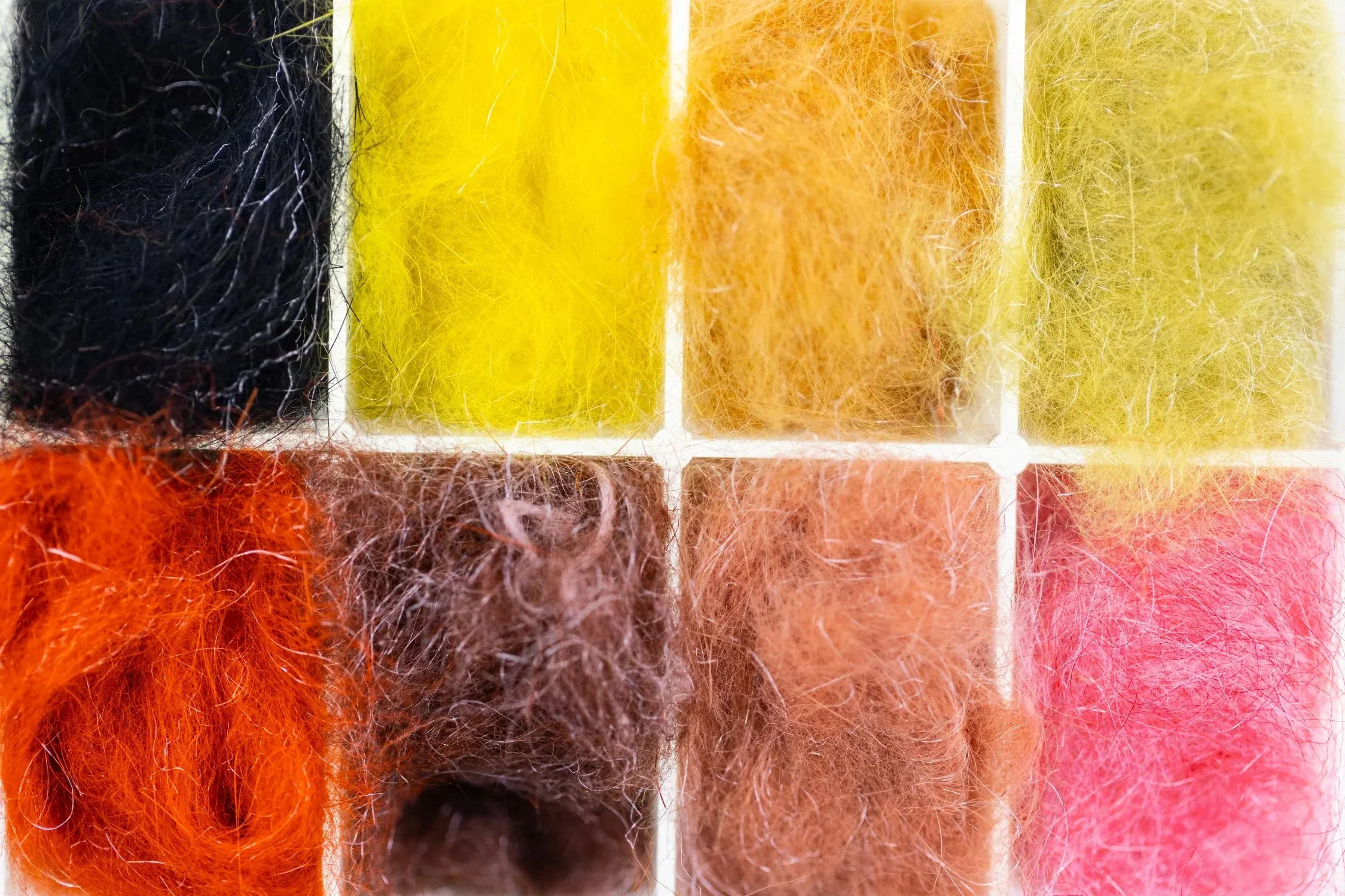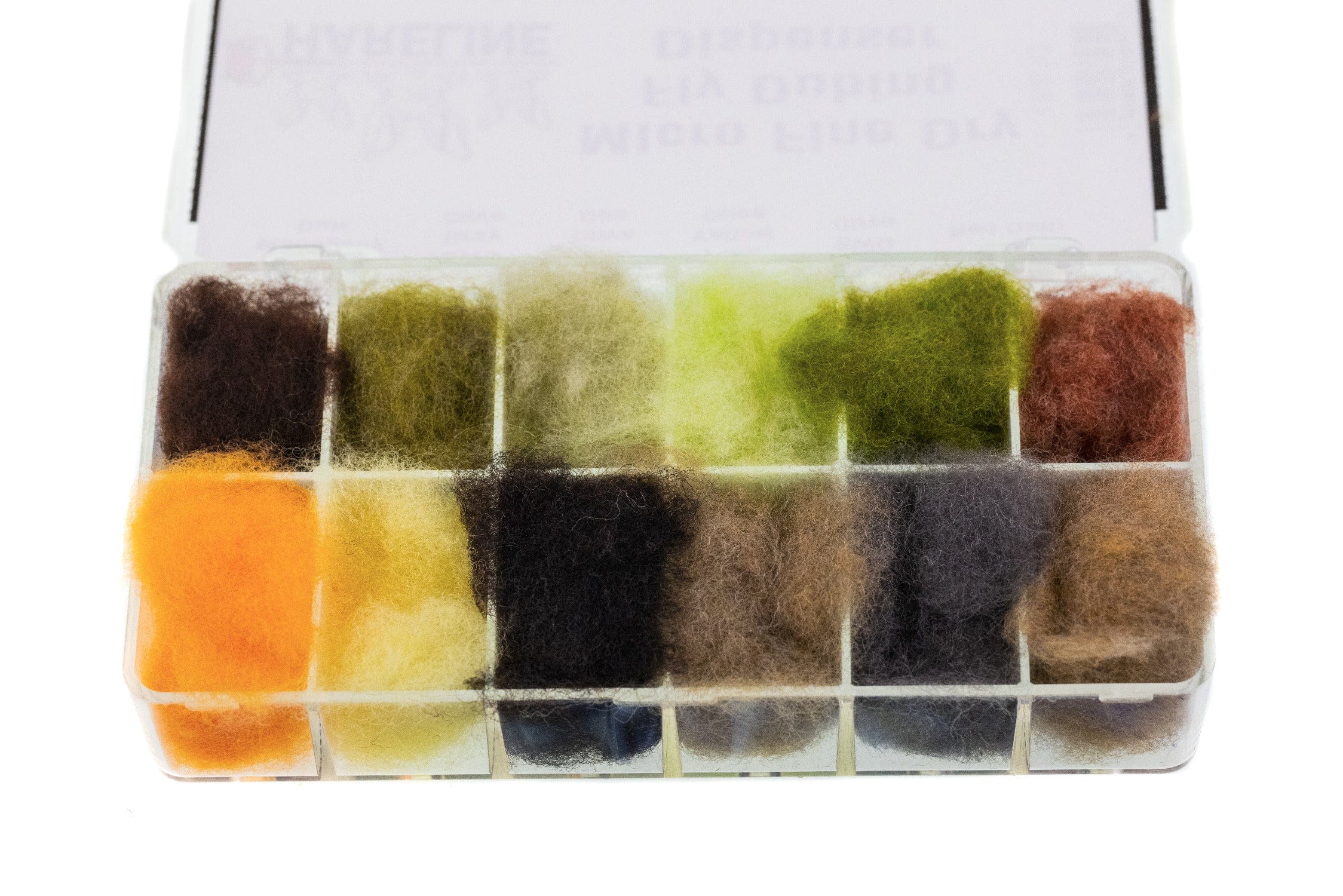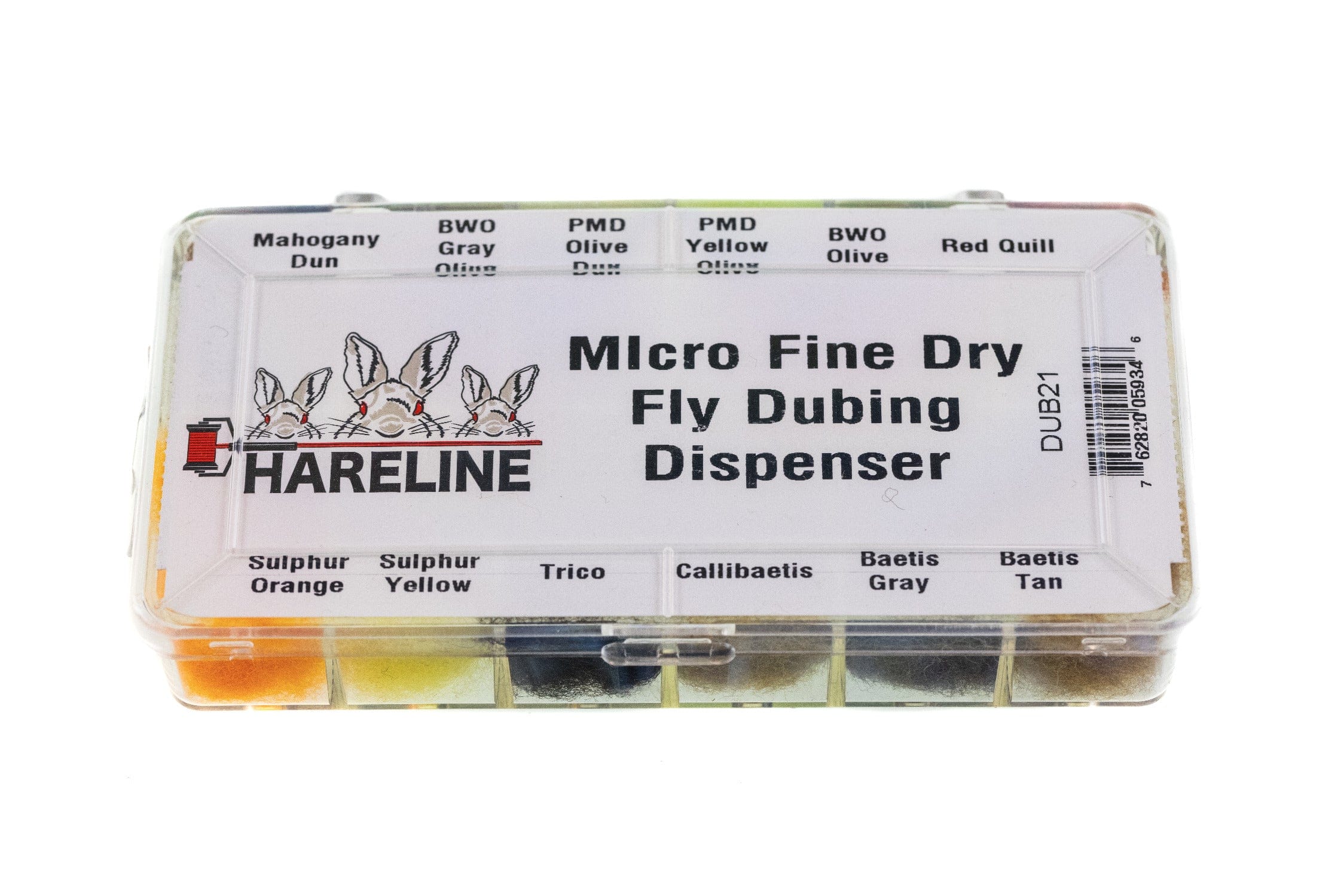
Hareline Ice Dubbing
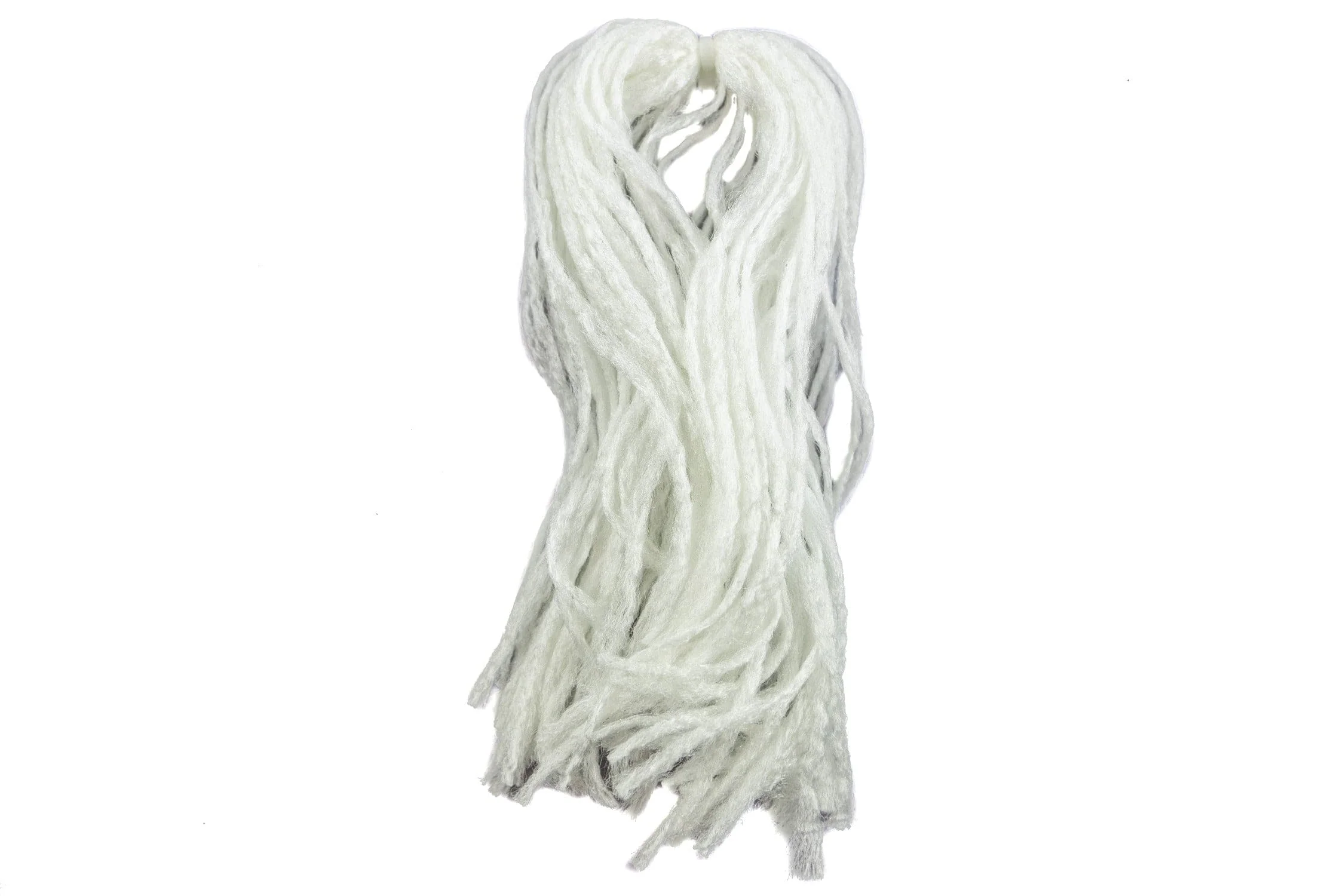
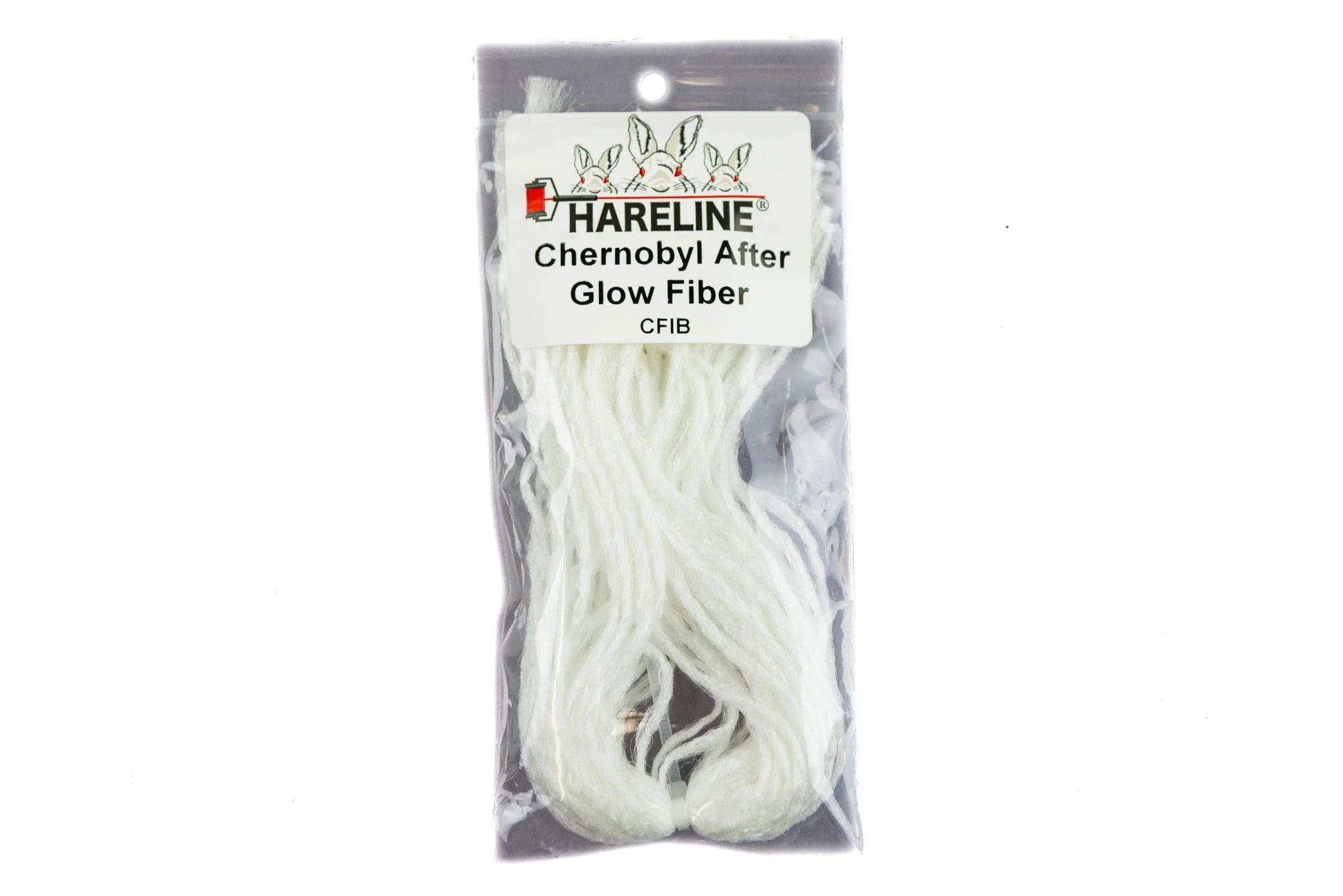
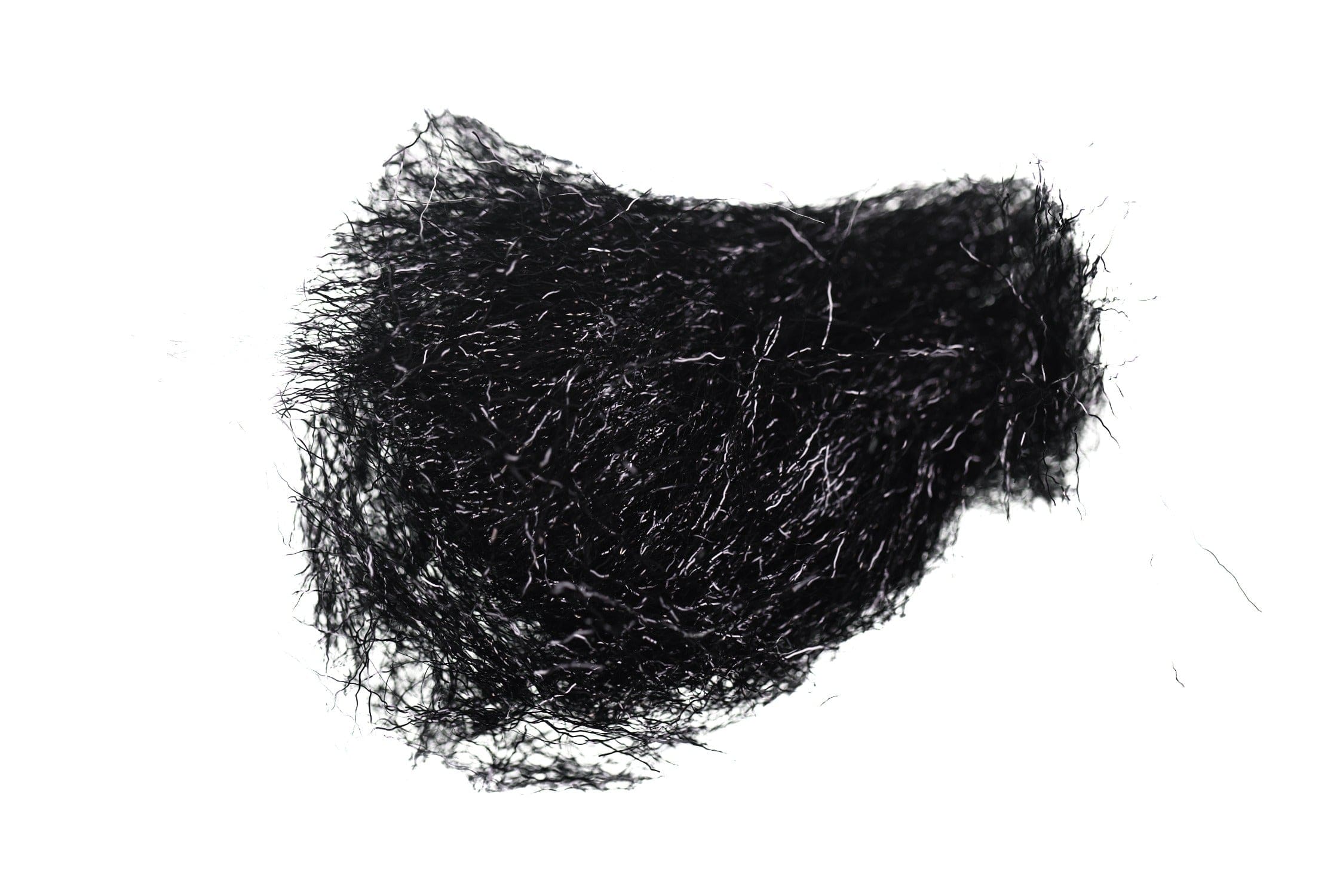
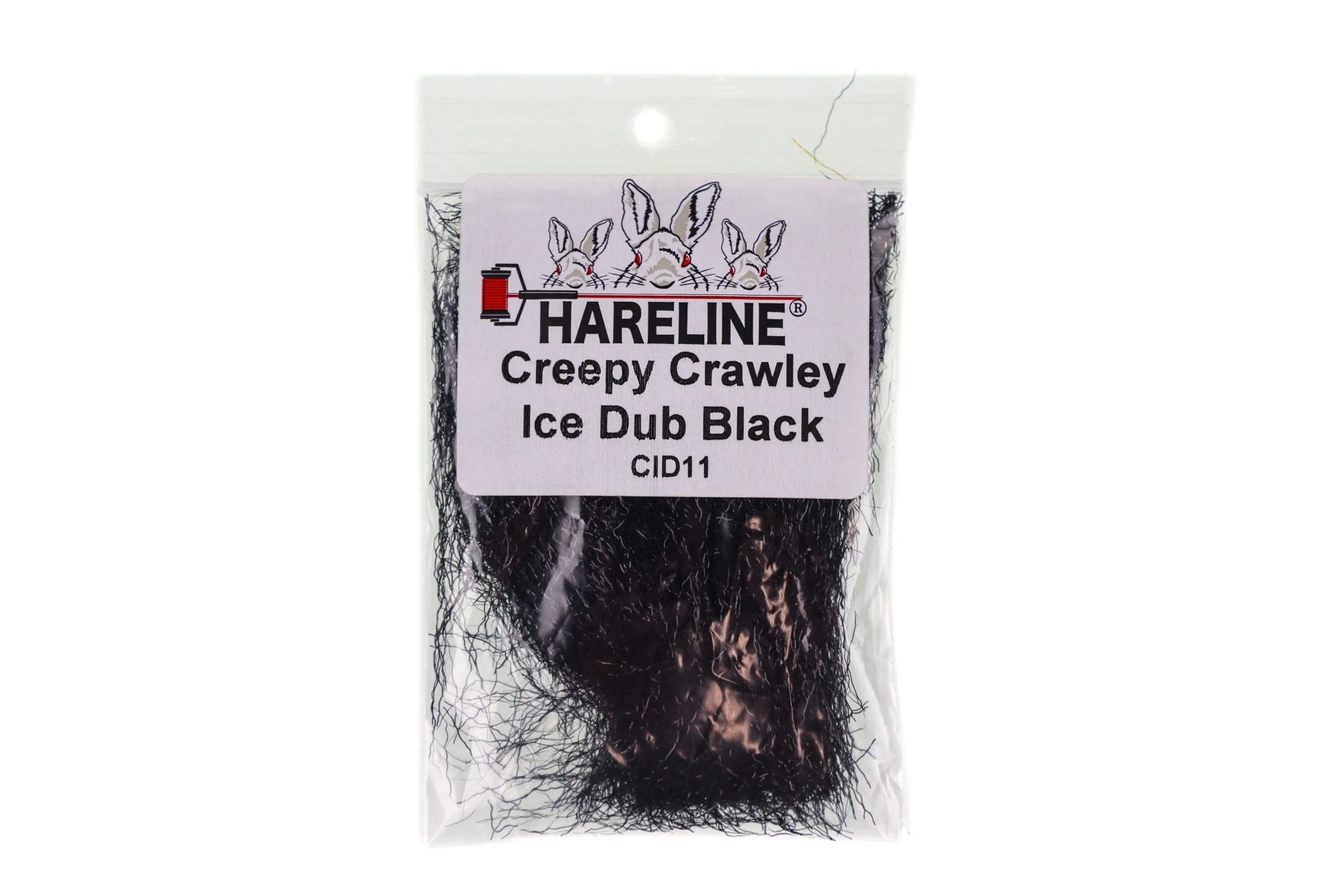
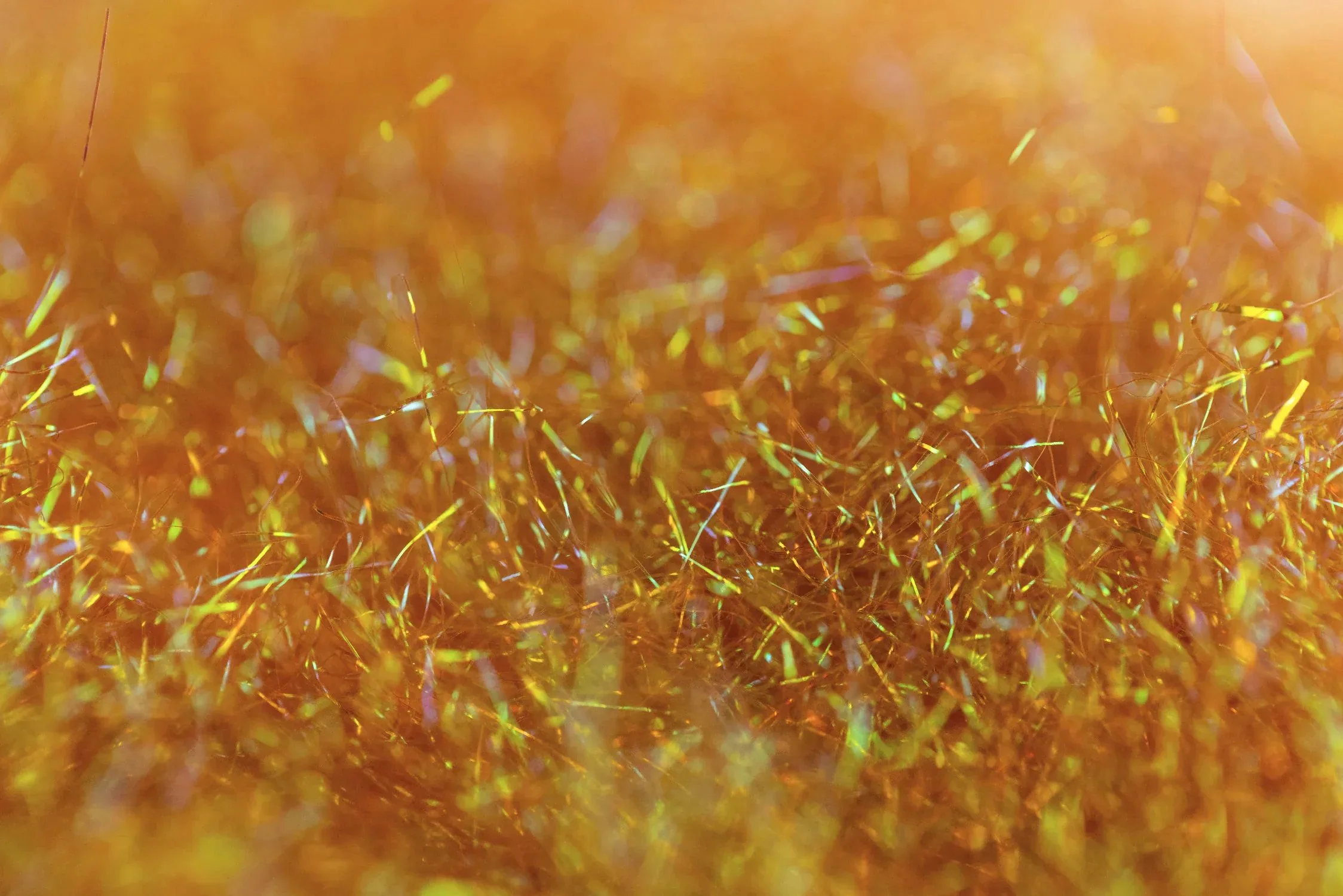
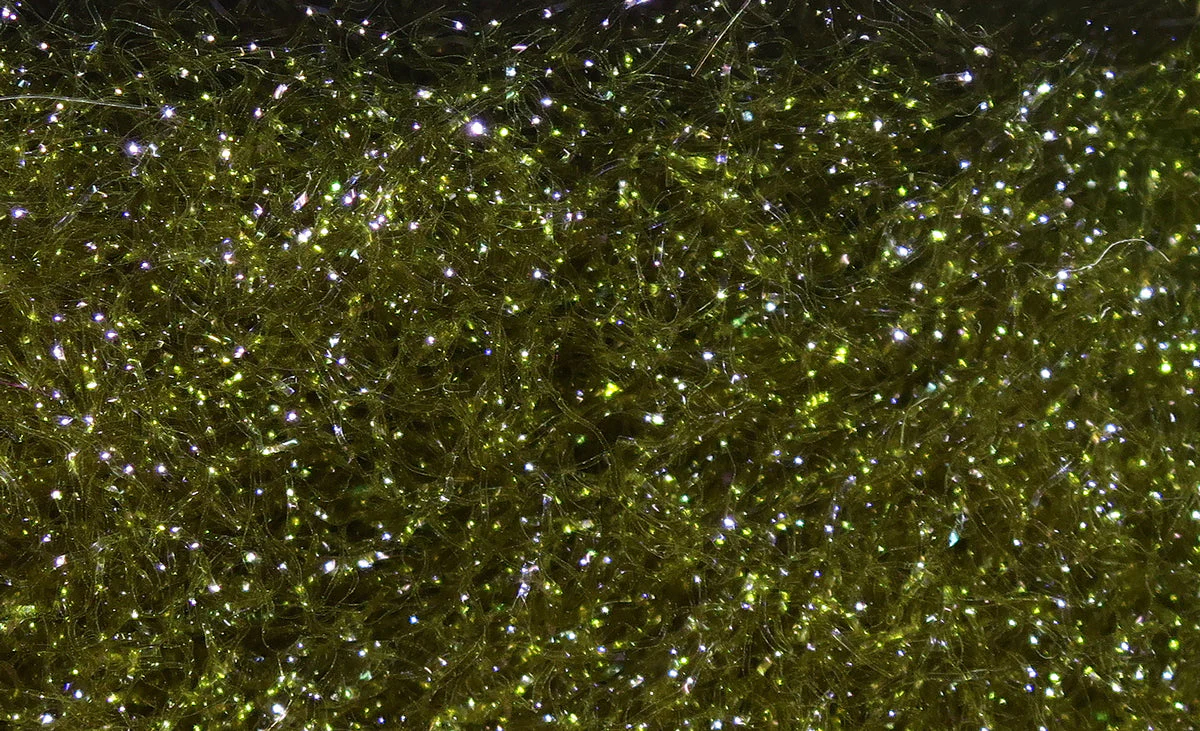
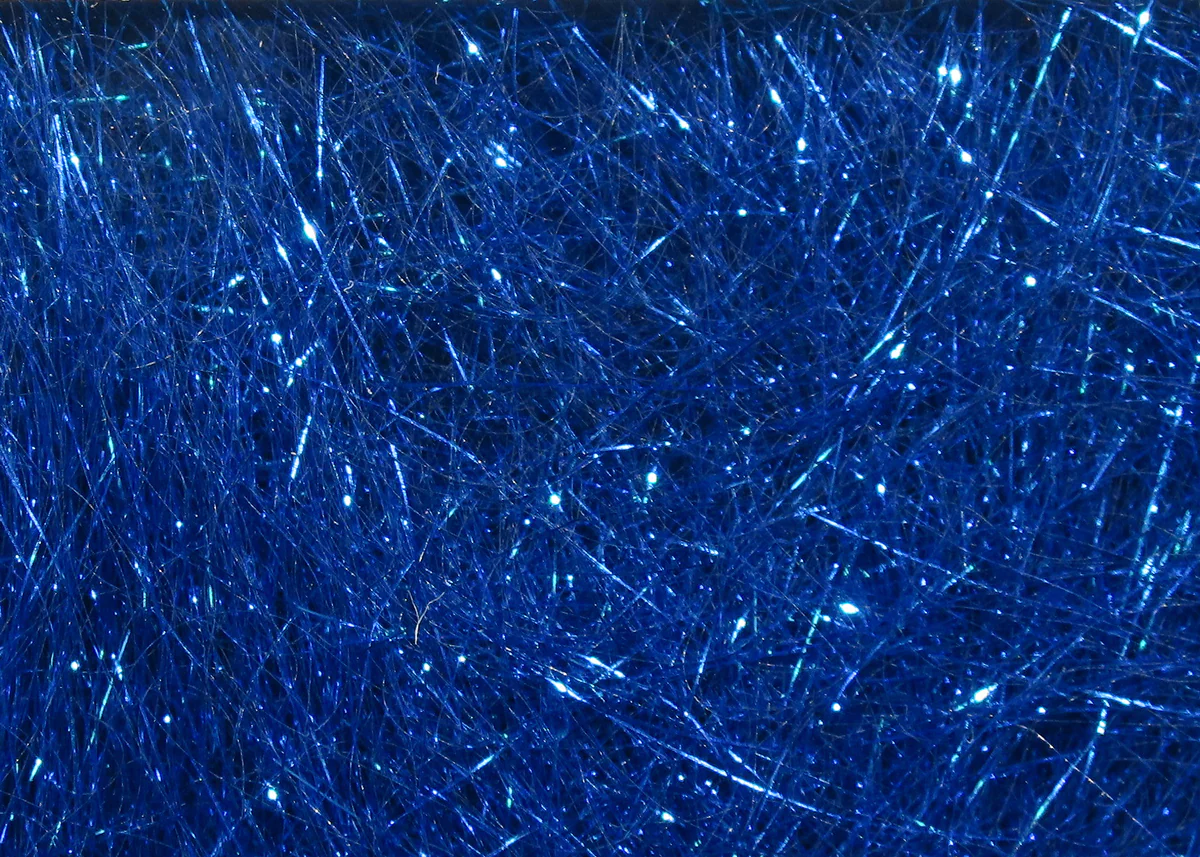
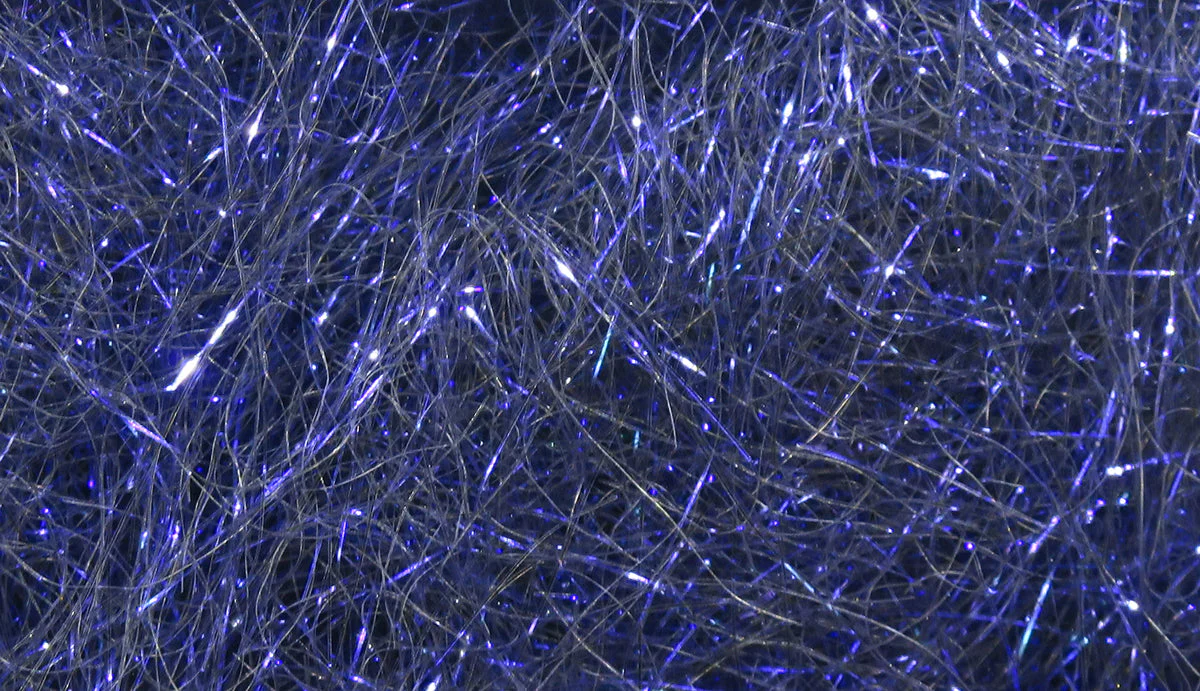
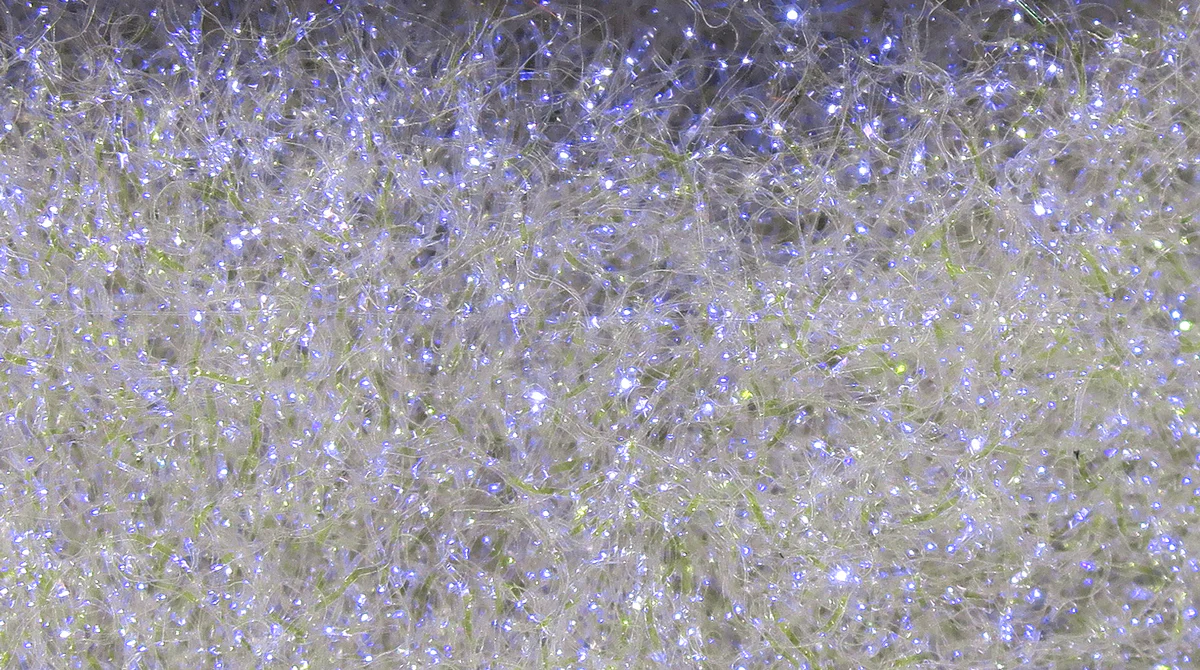
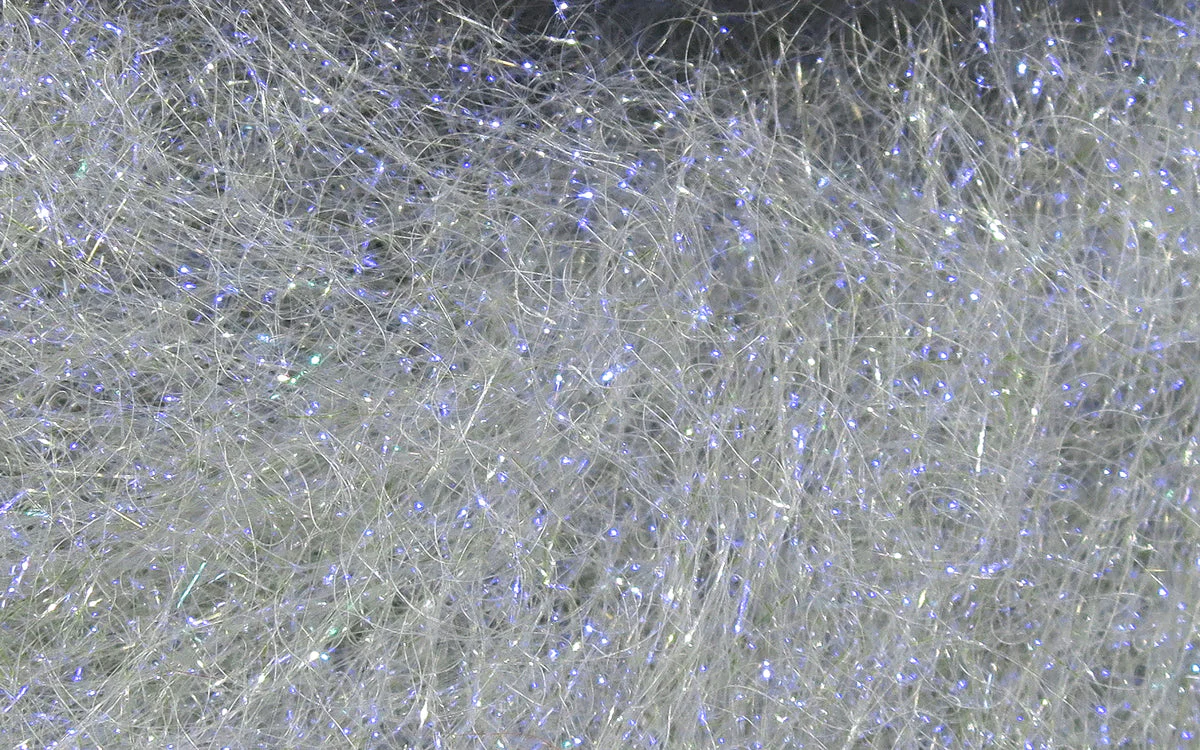
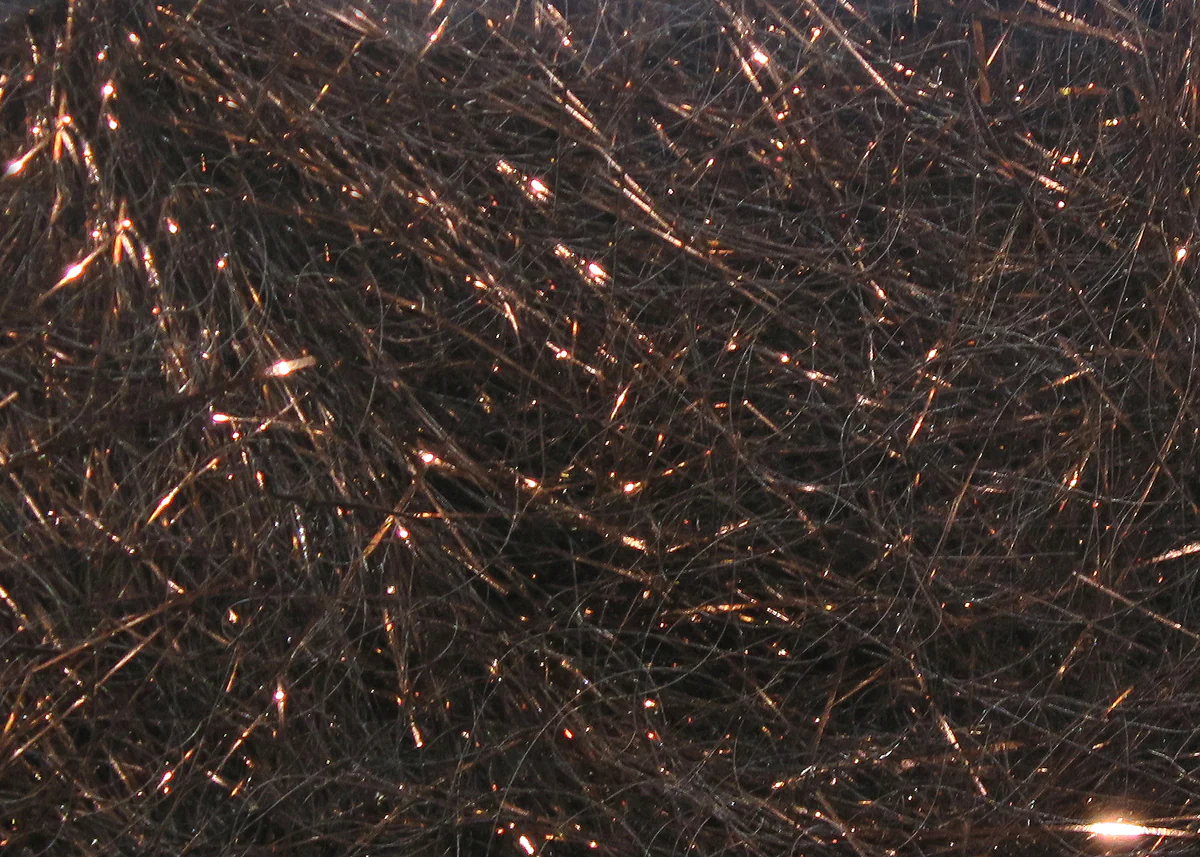
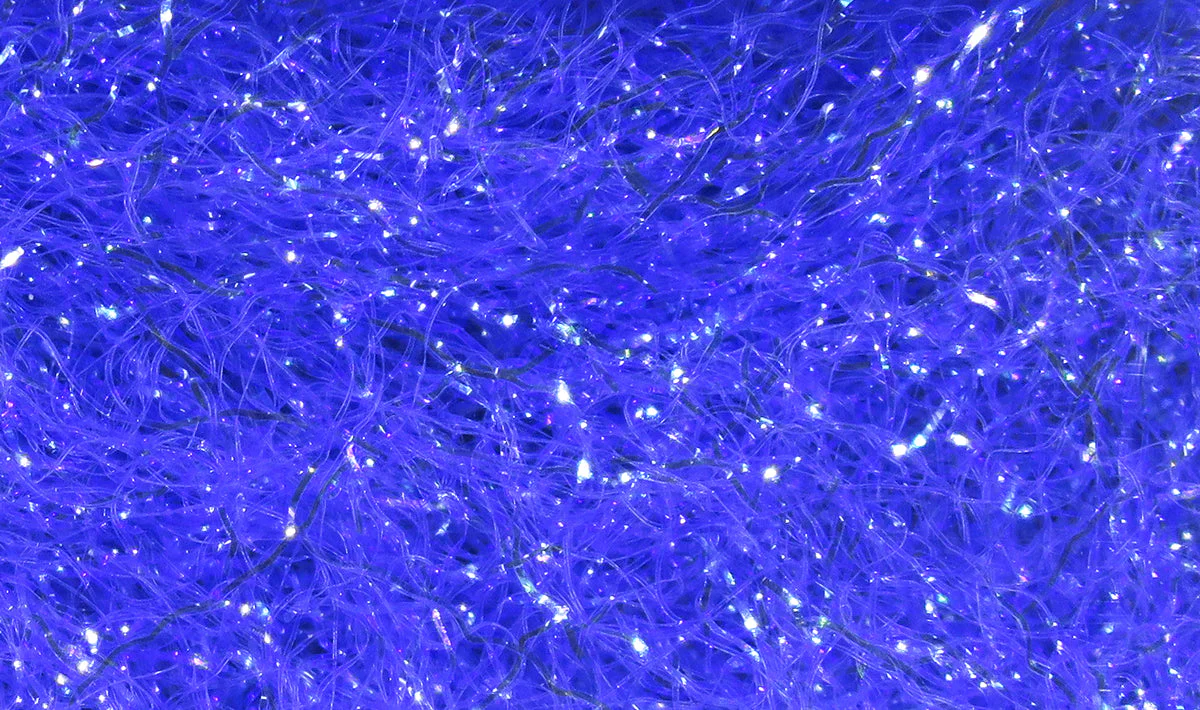
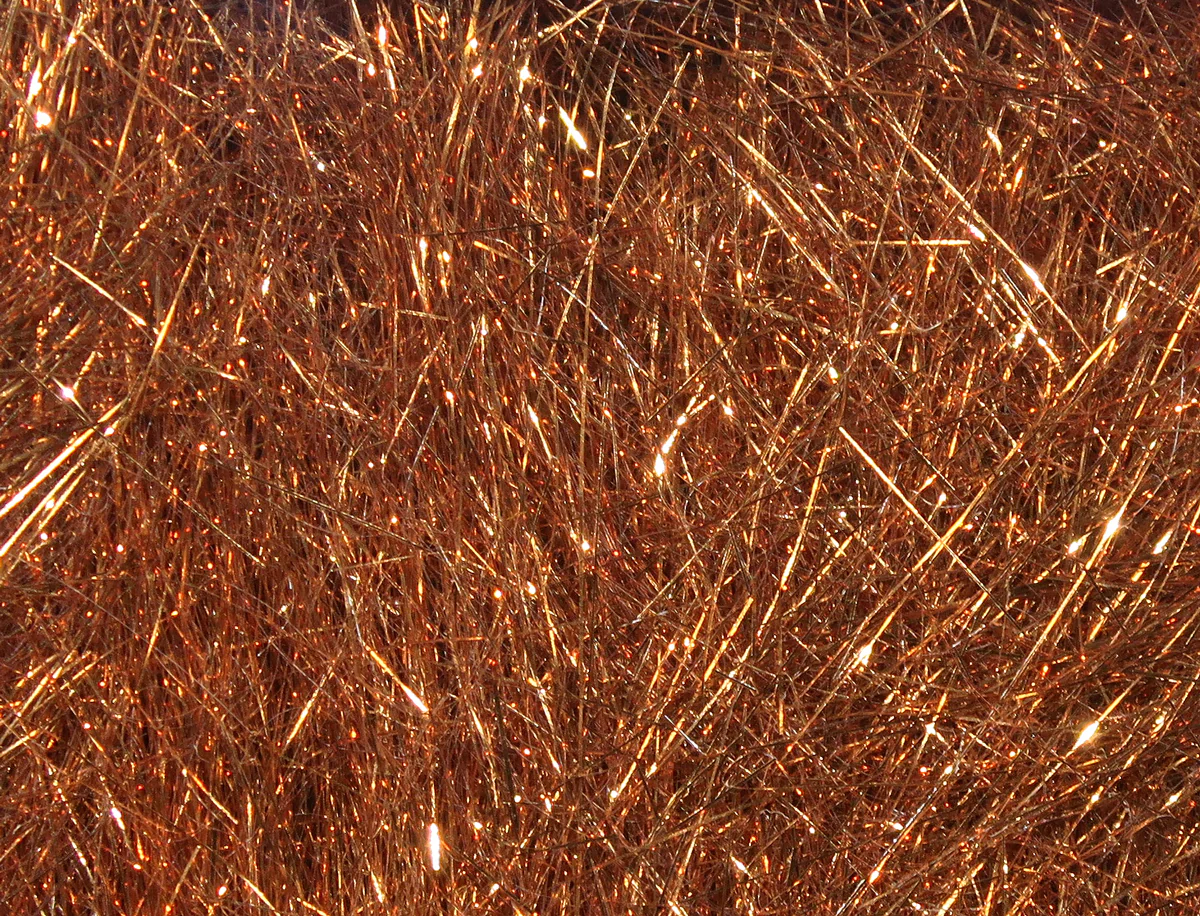
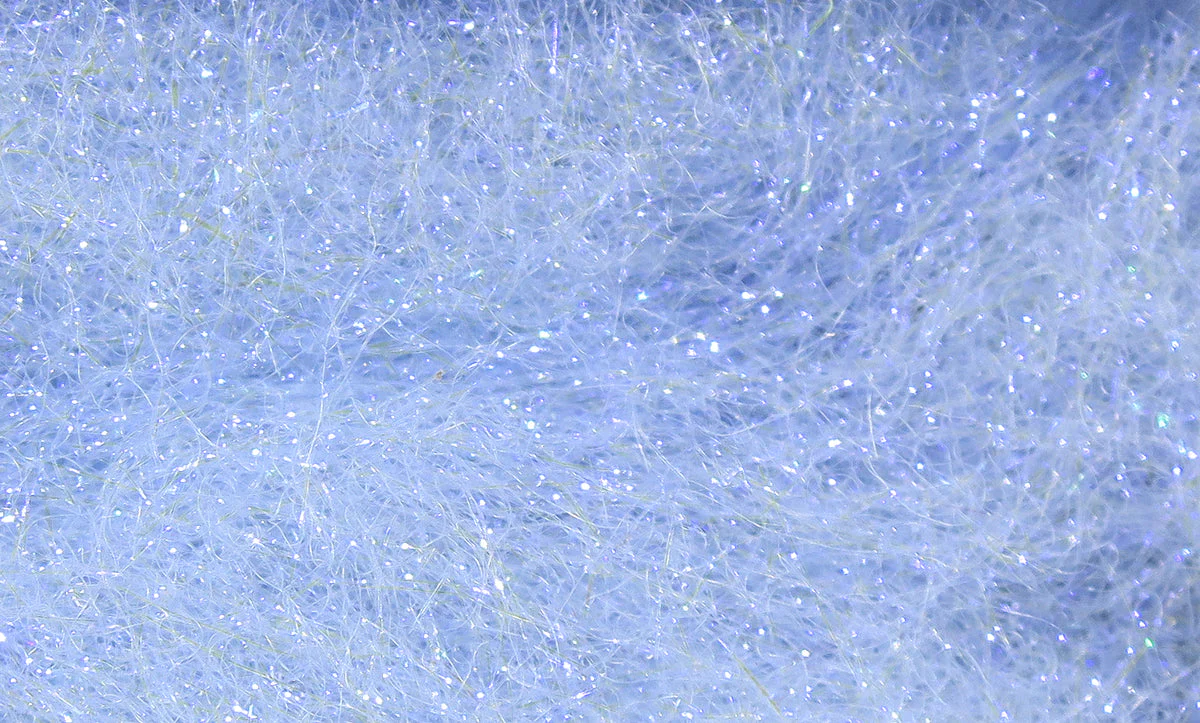
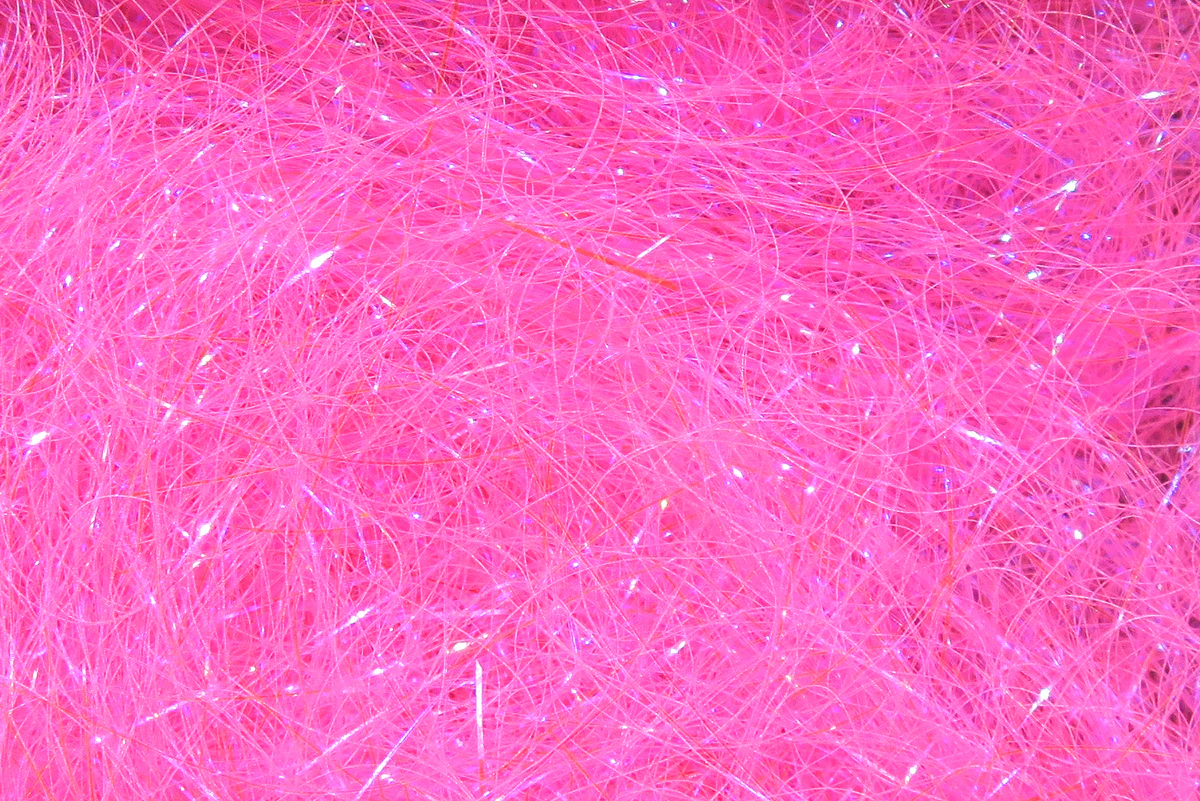
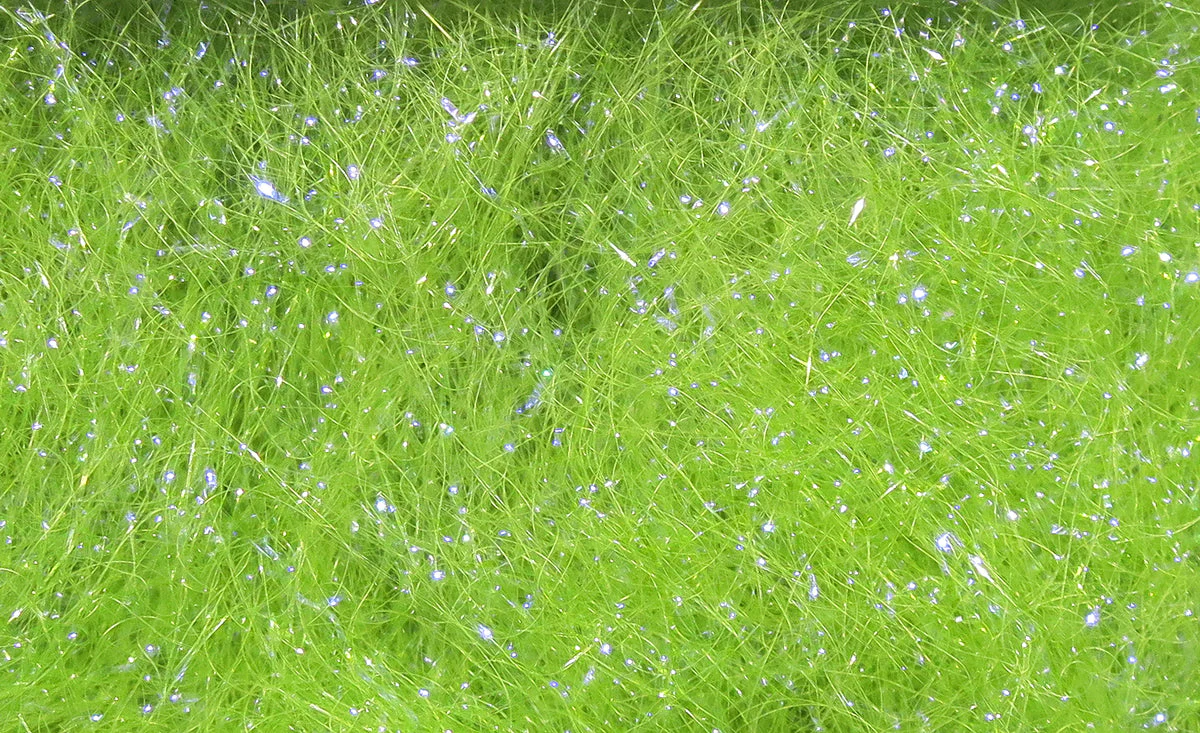
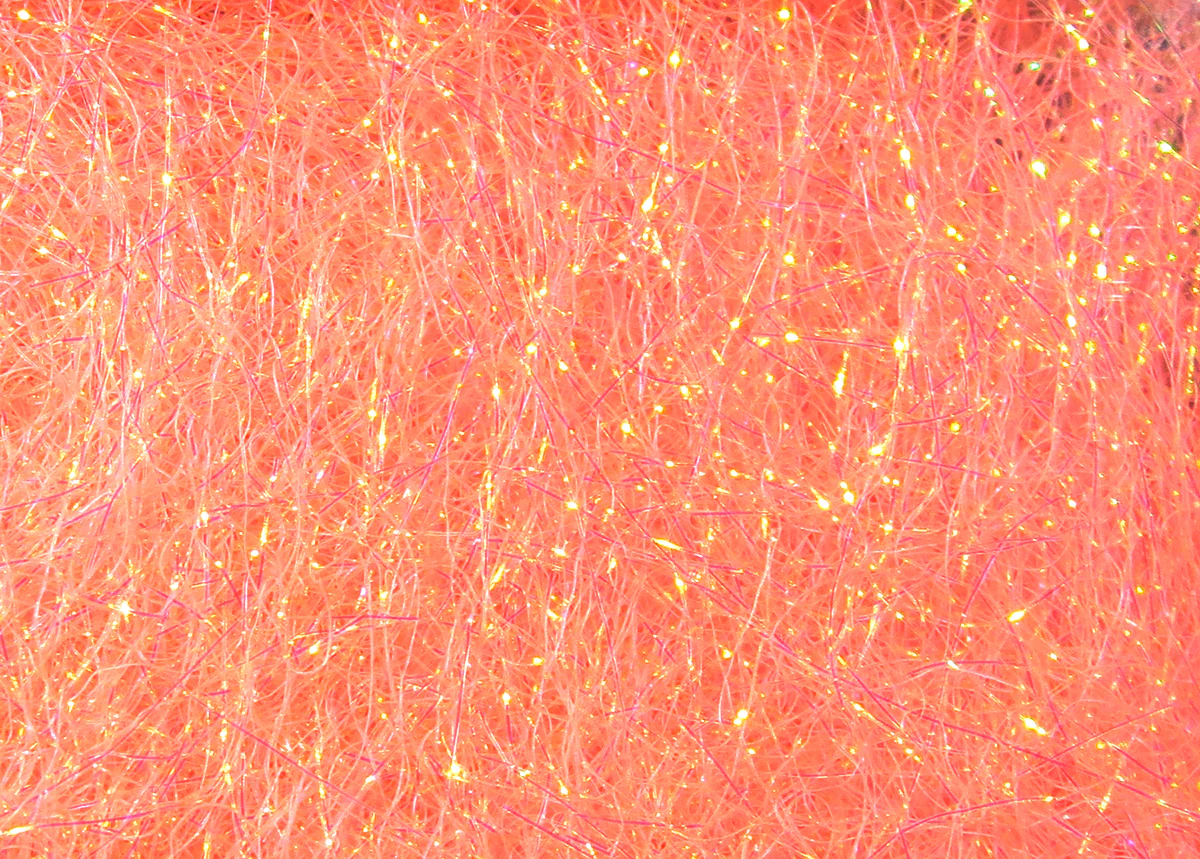
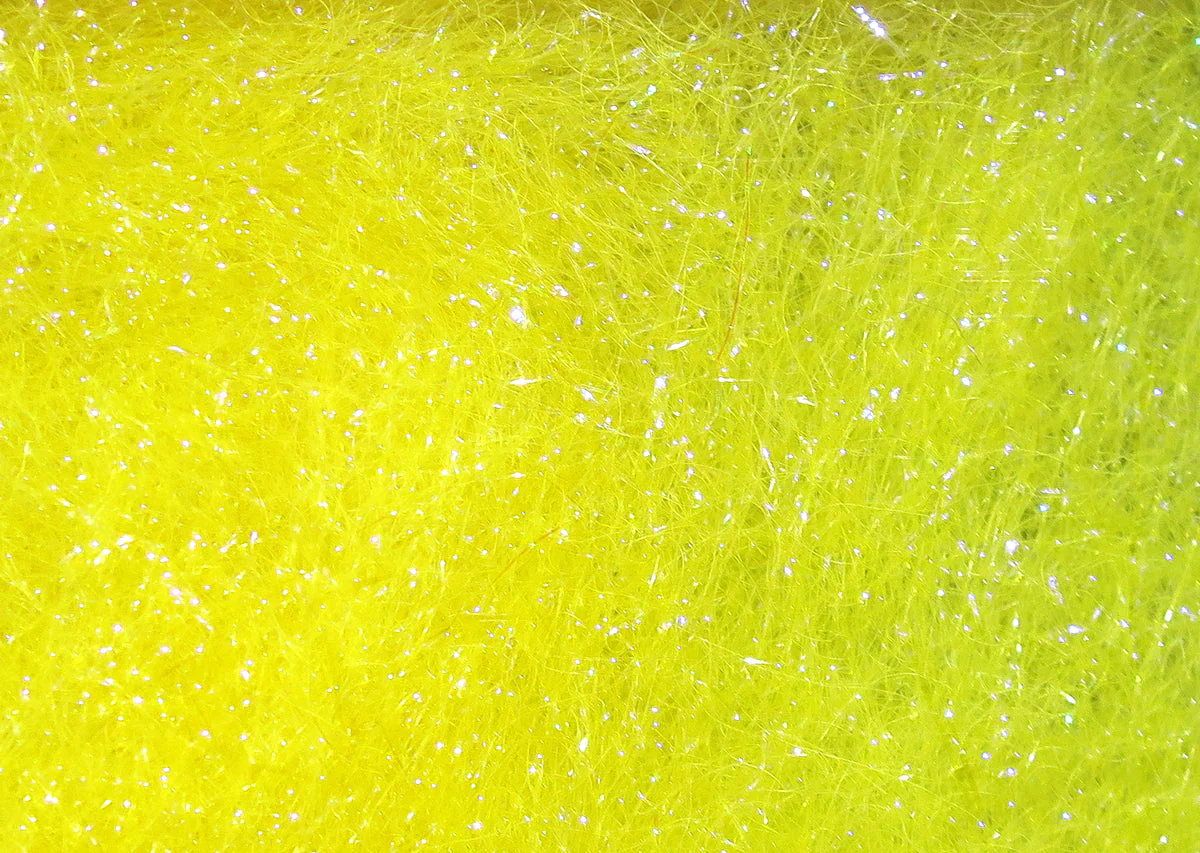
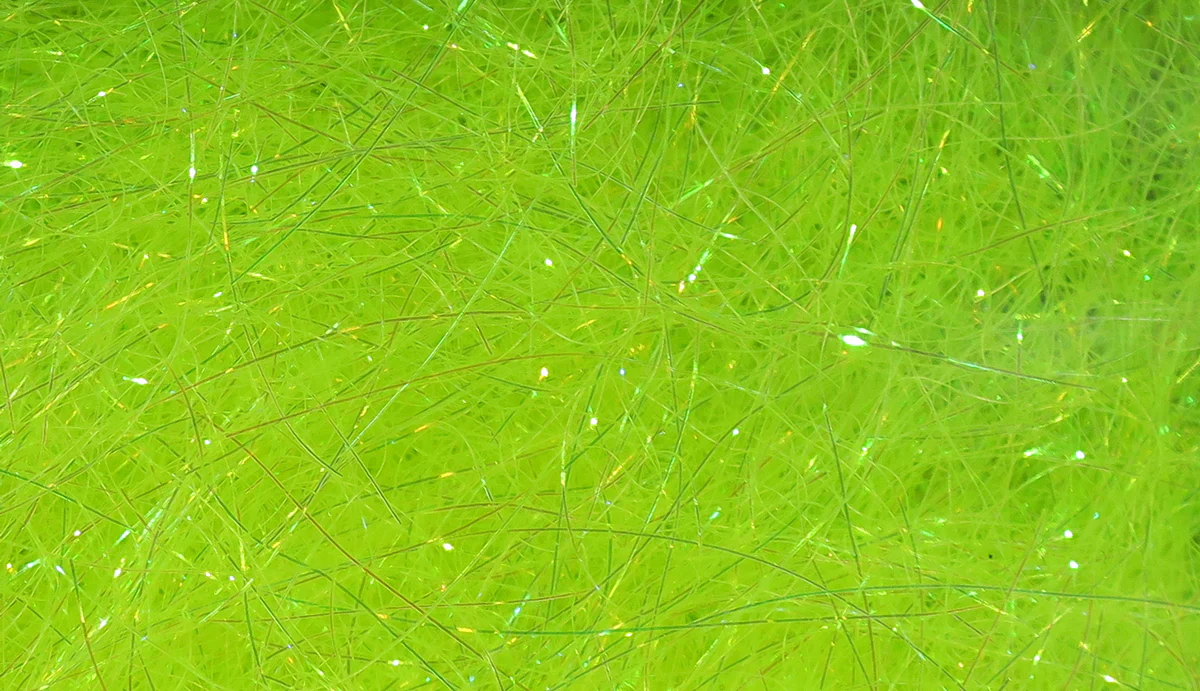
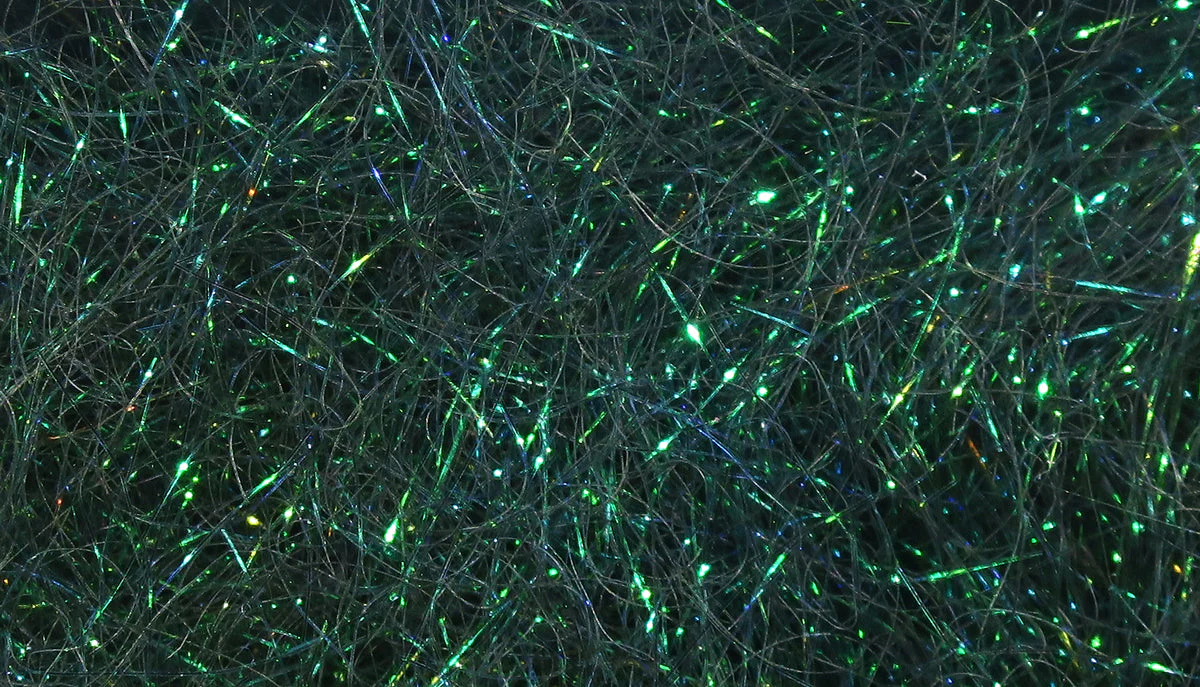
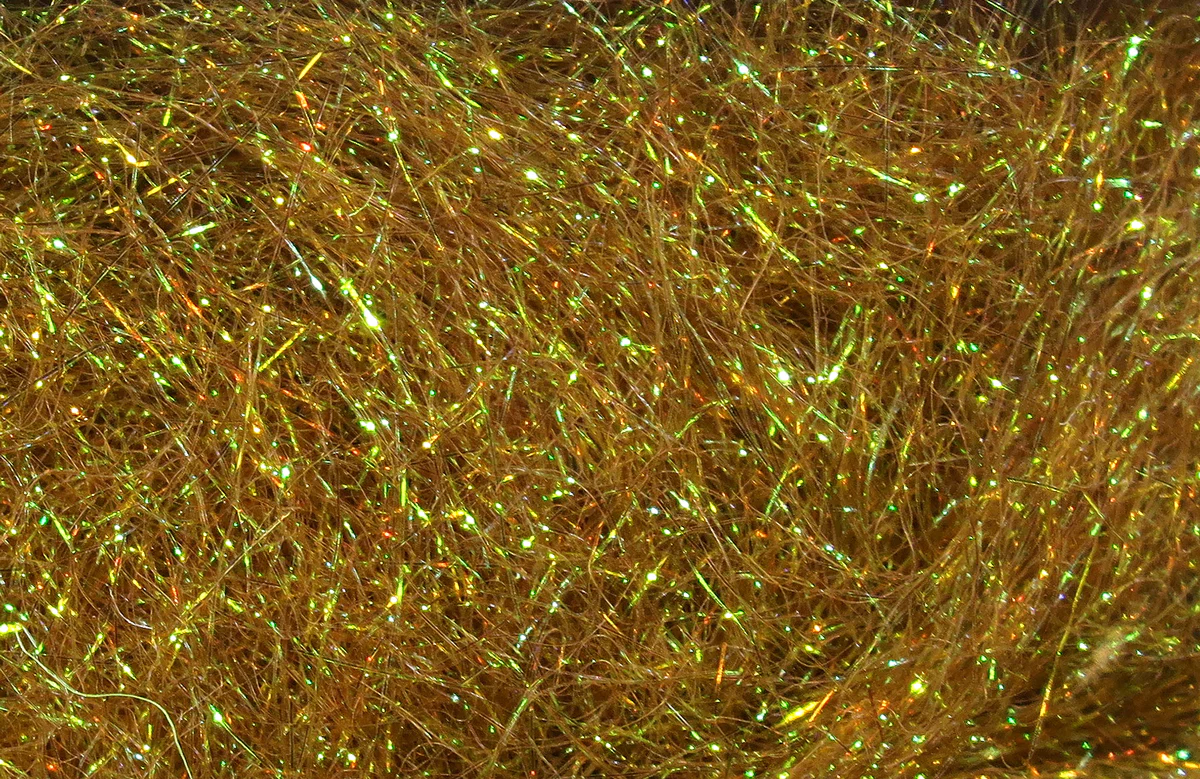
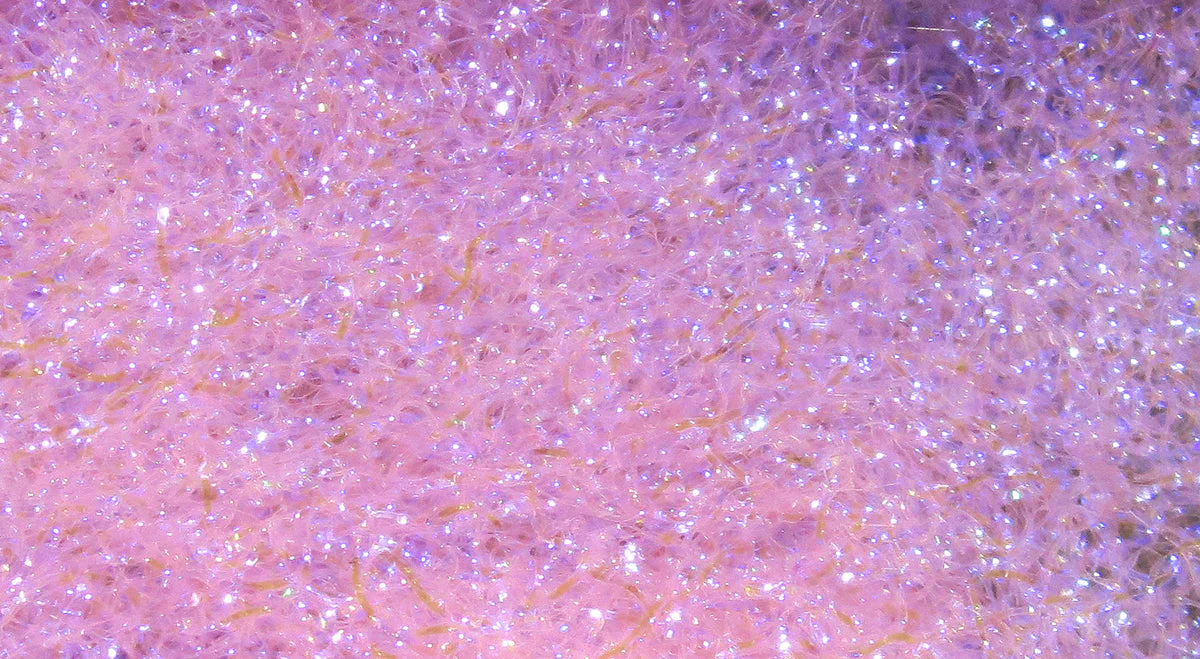
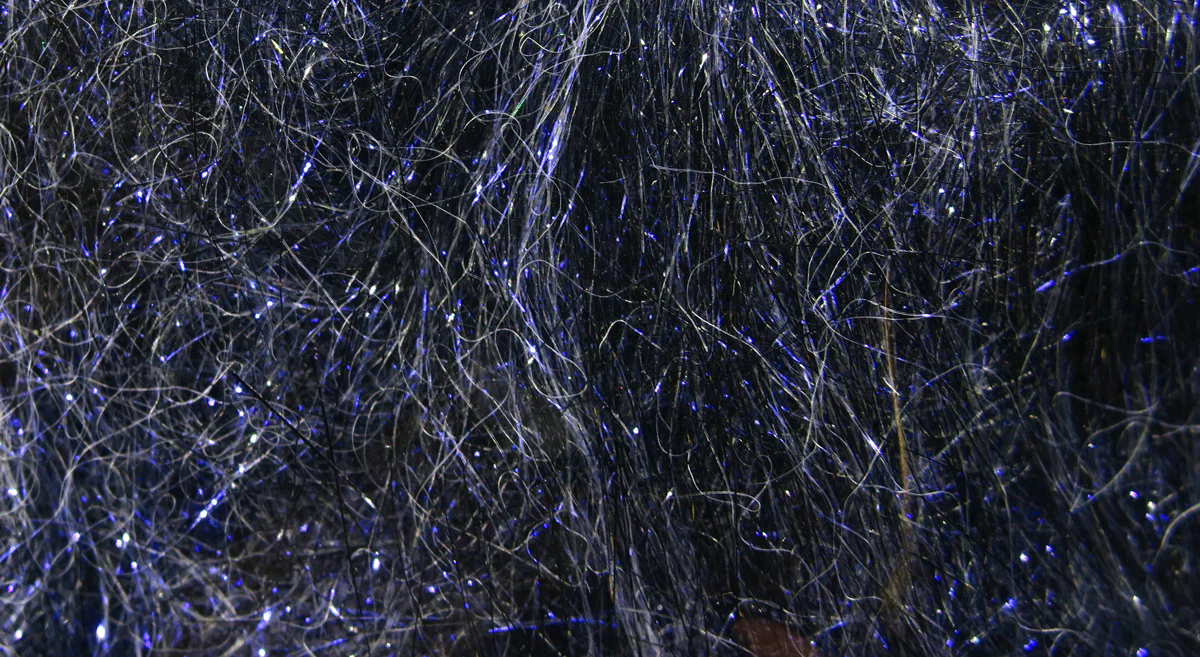
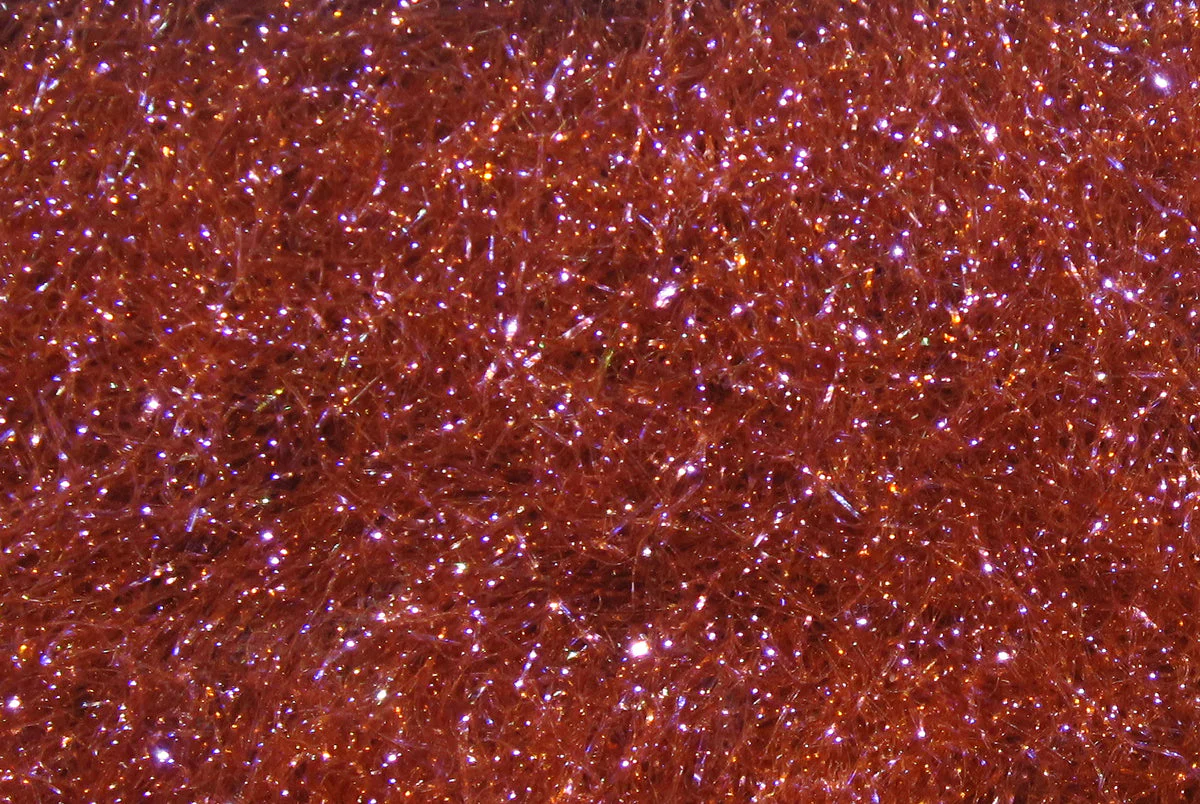
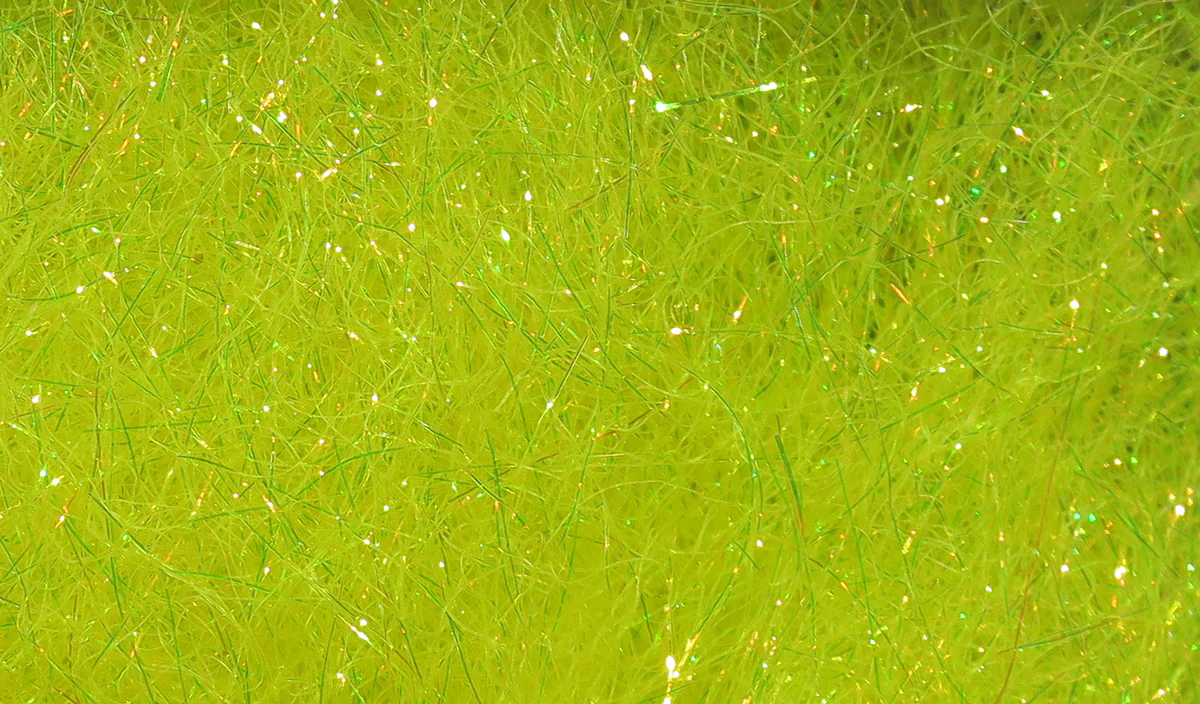
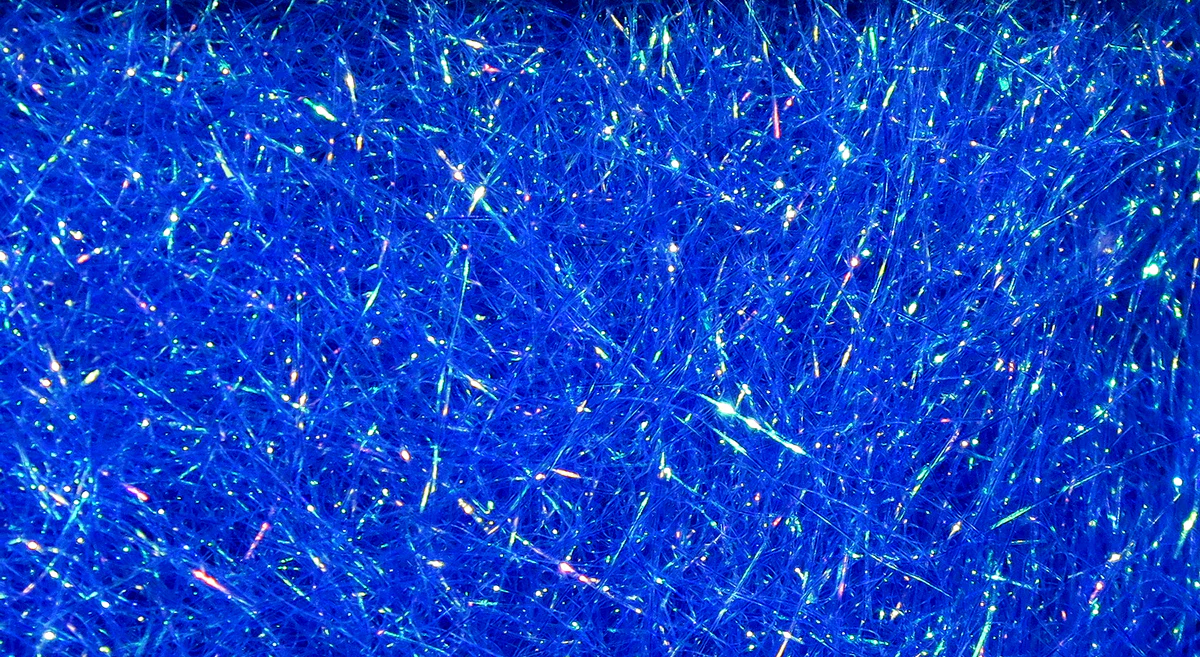
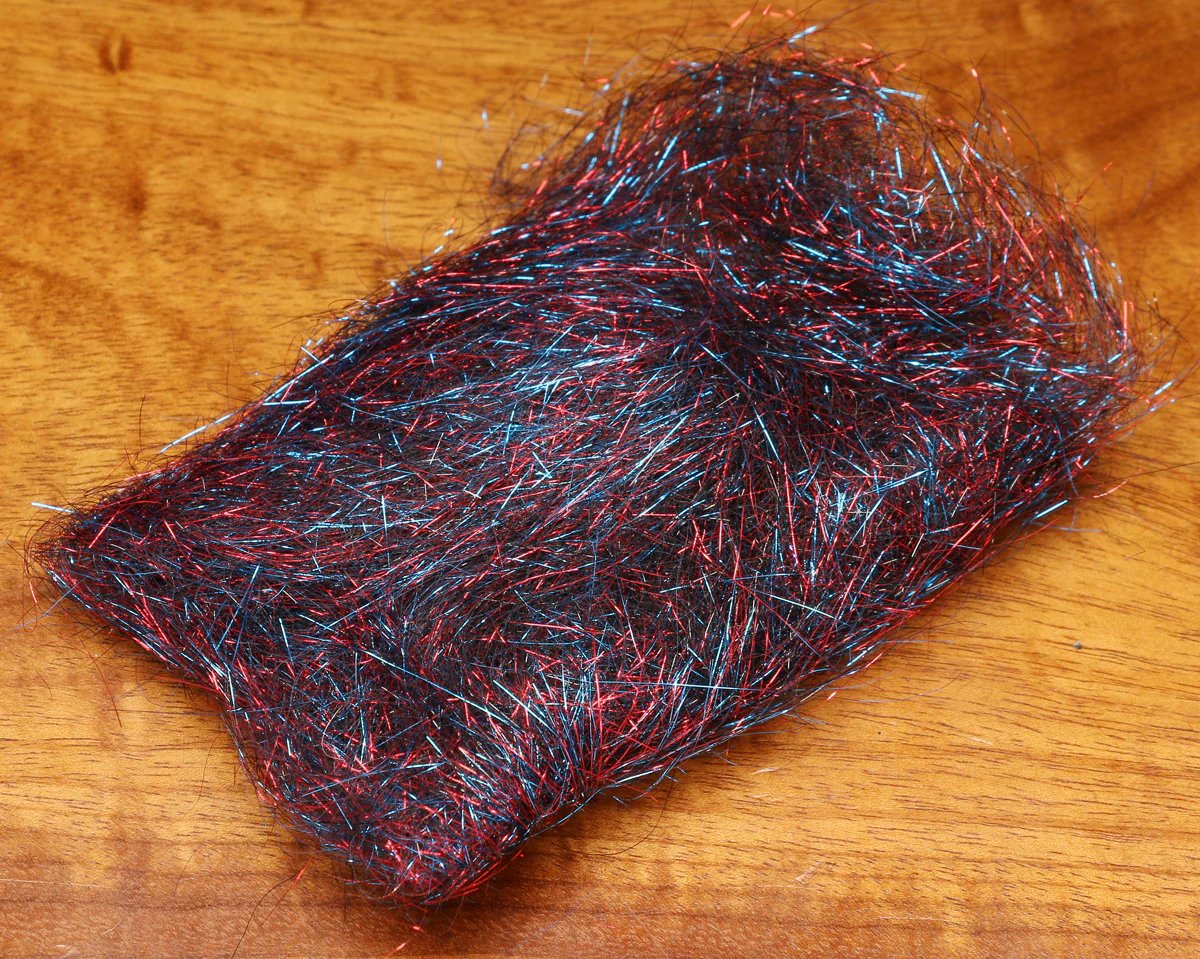
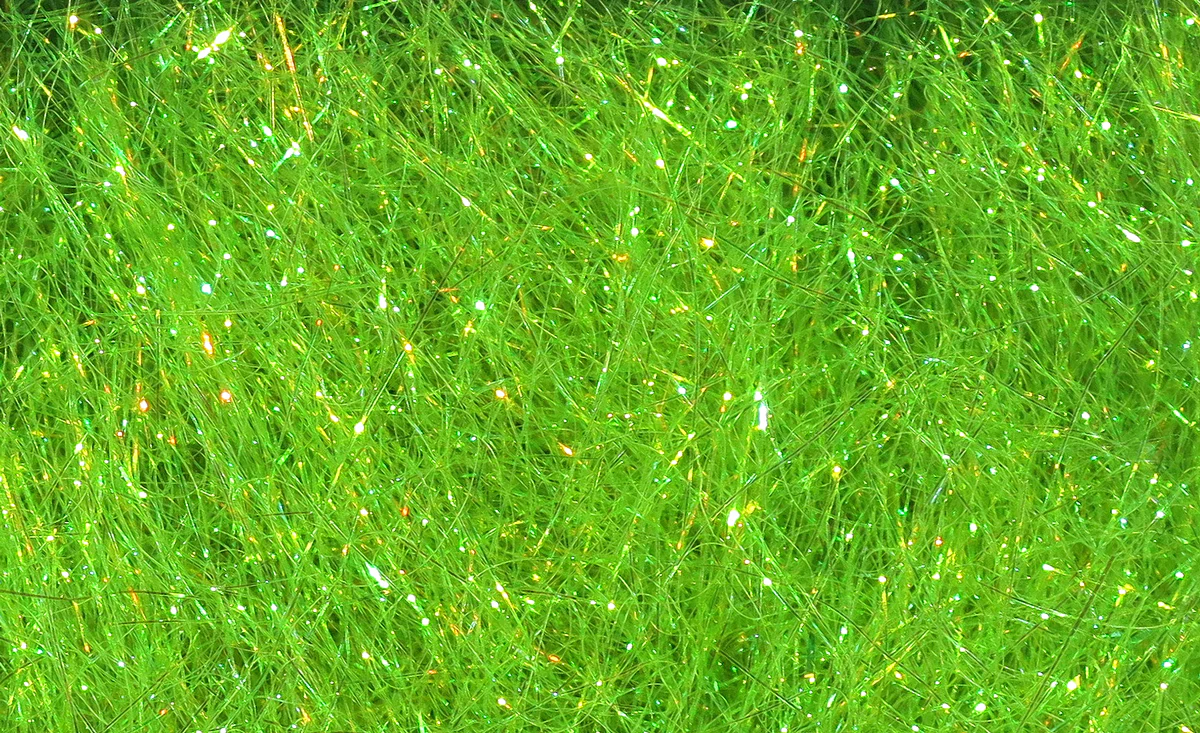
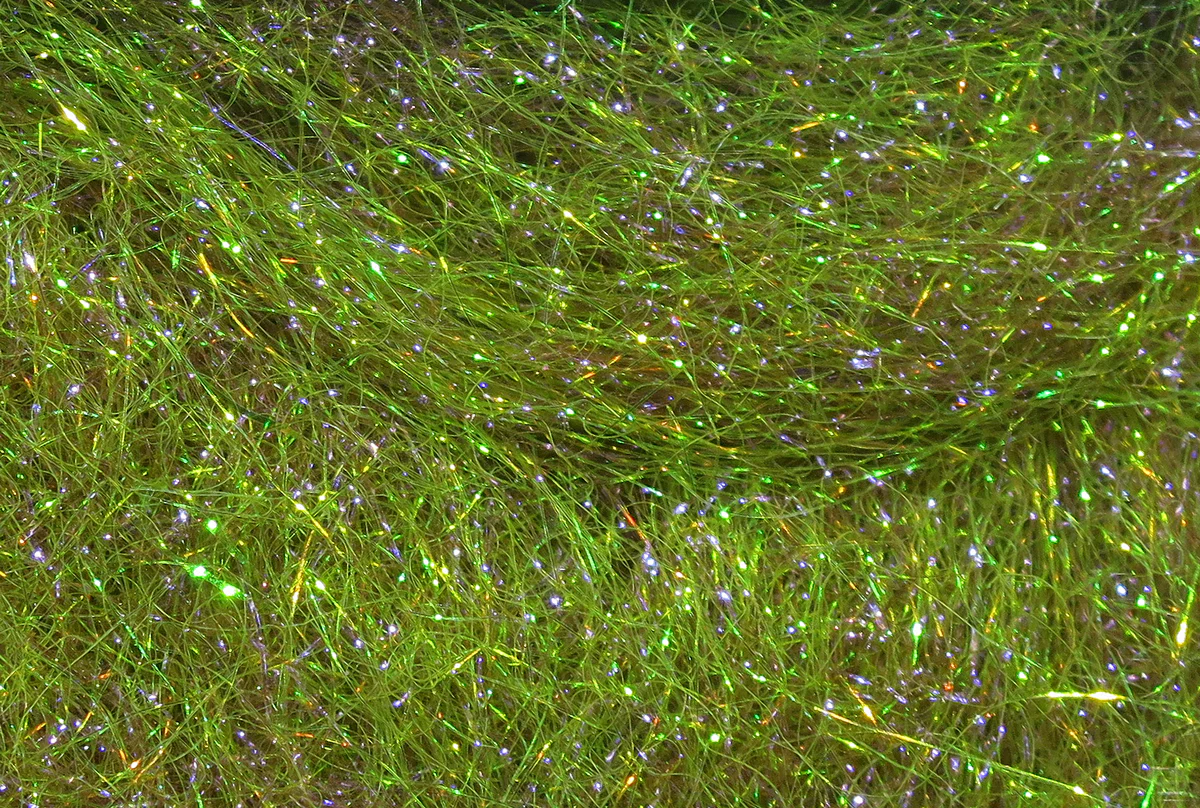
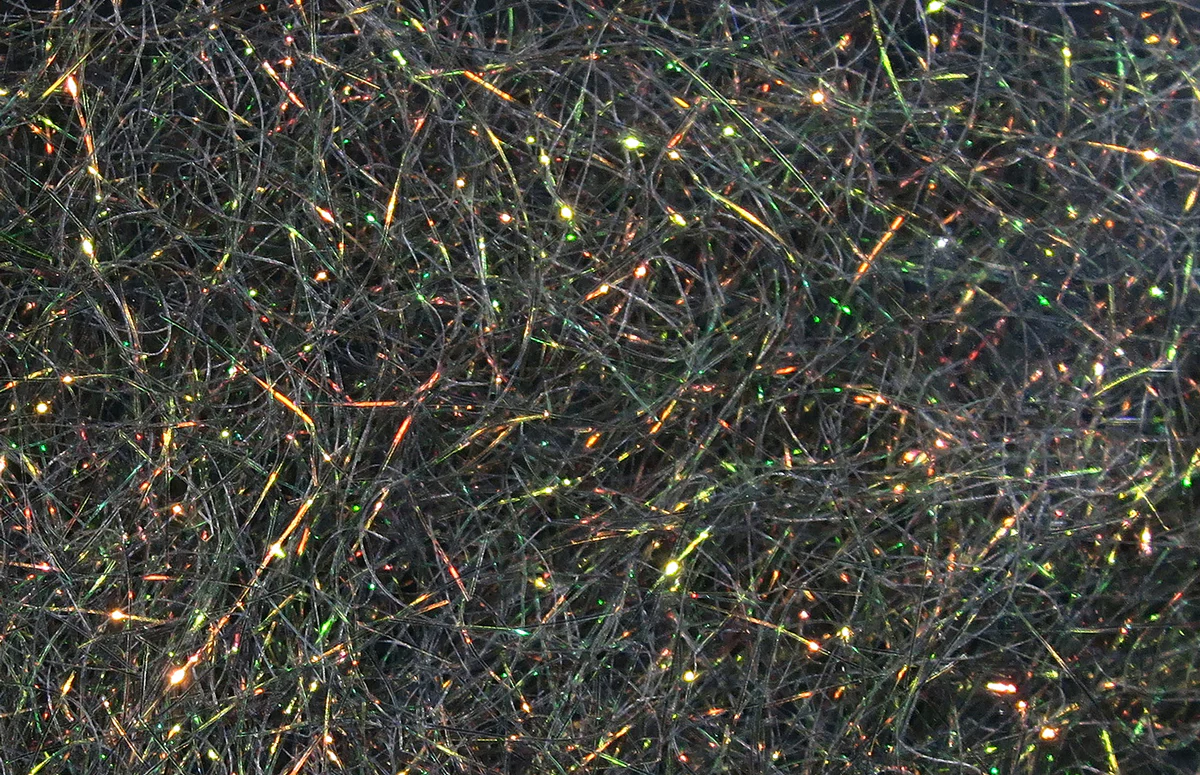
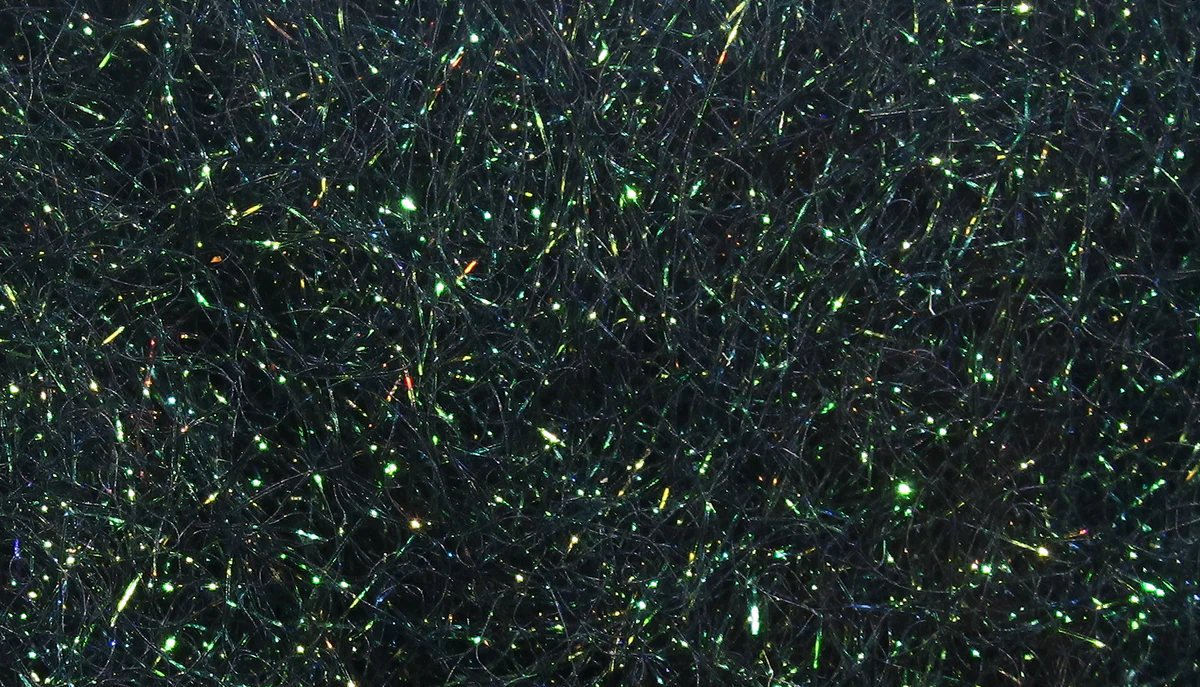
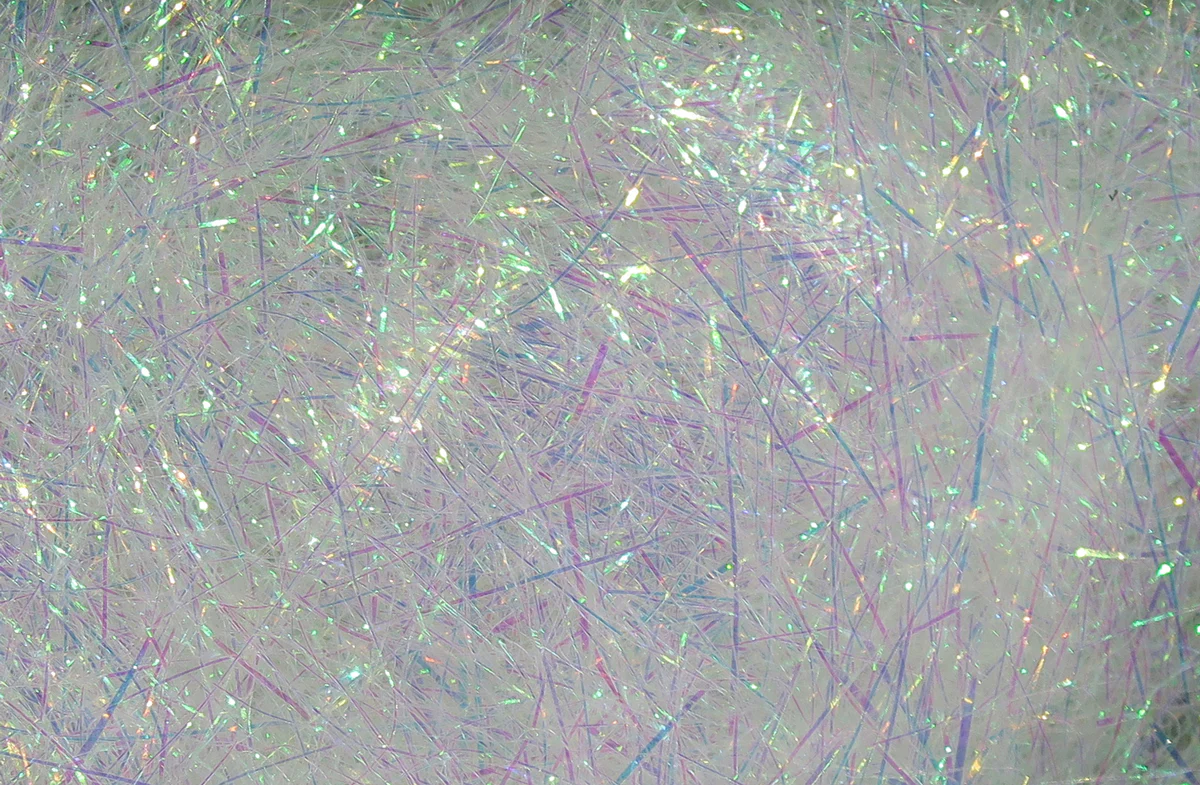
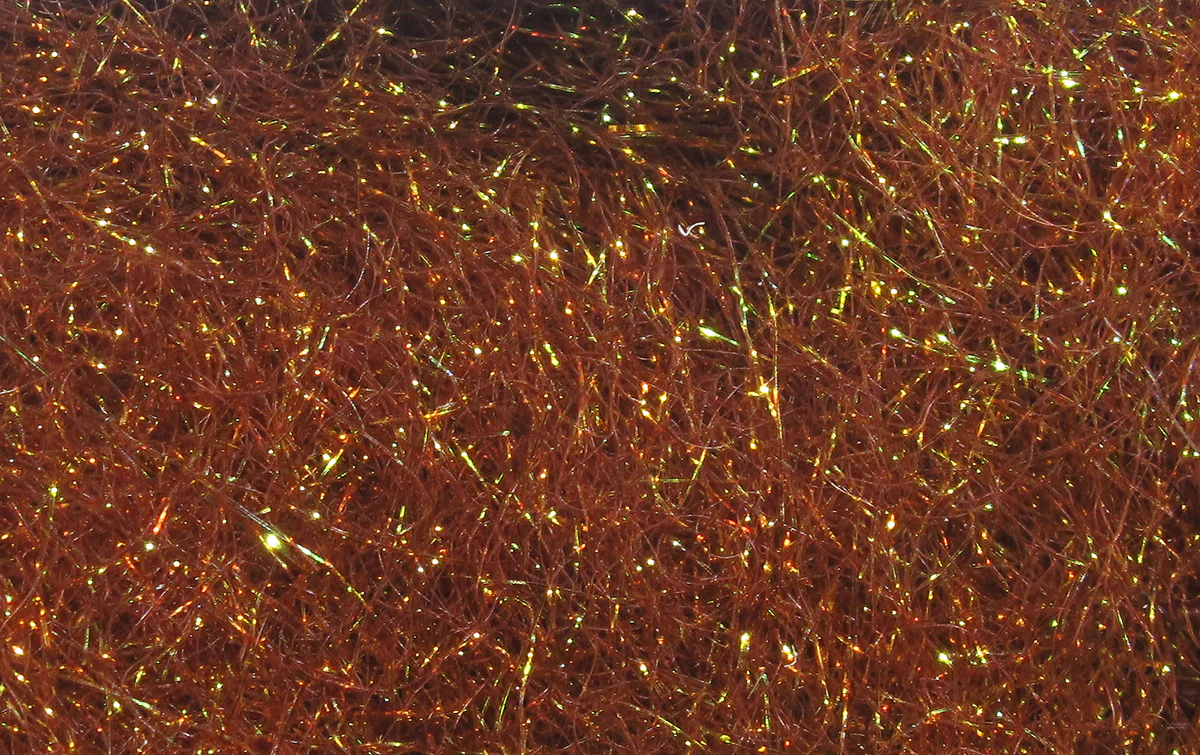
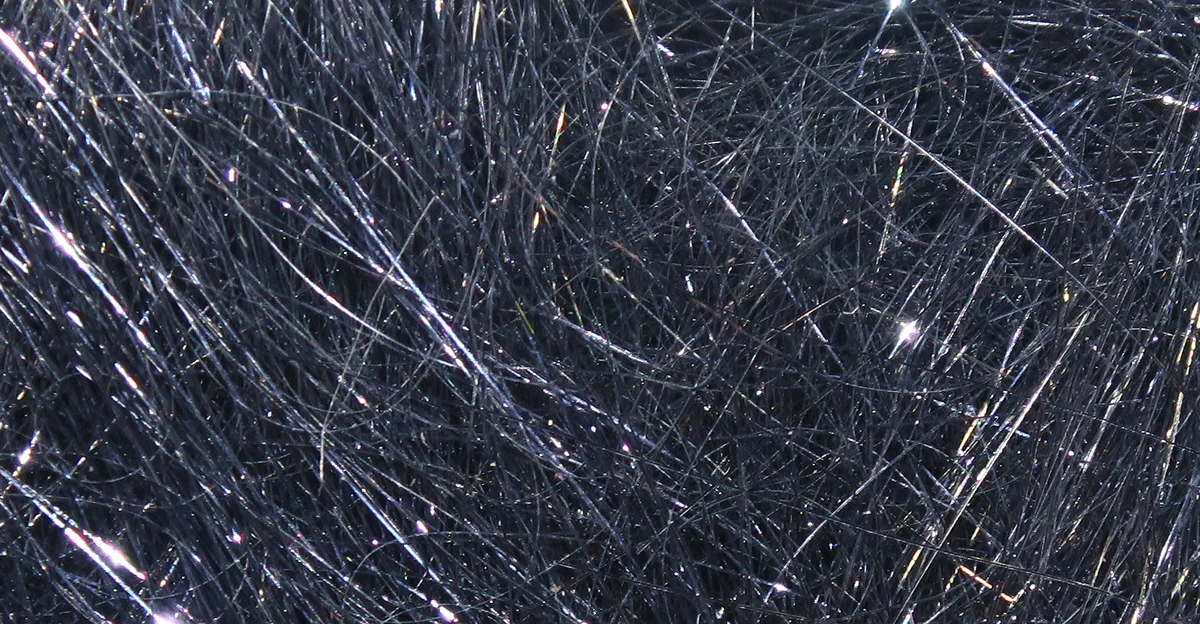
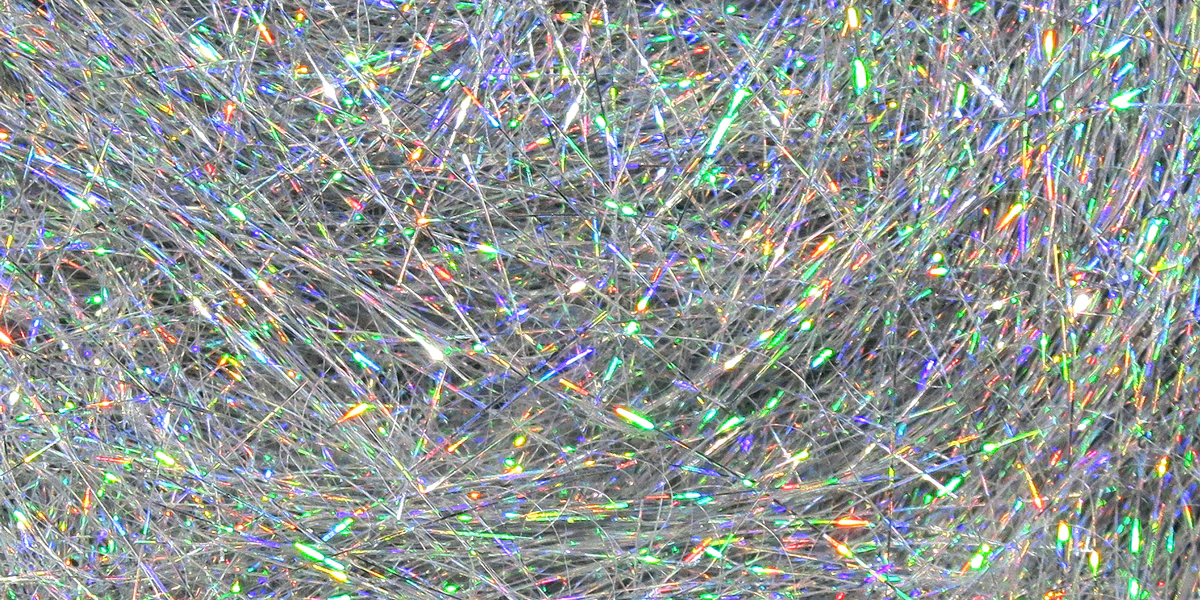
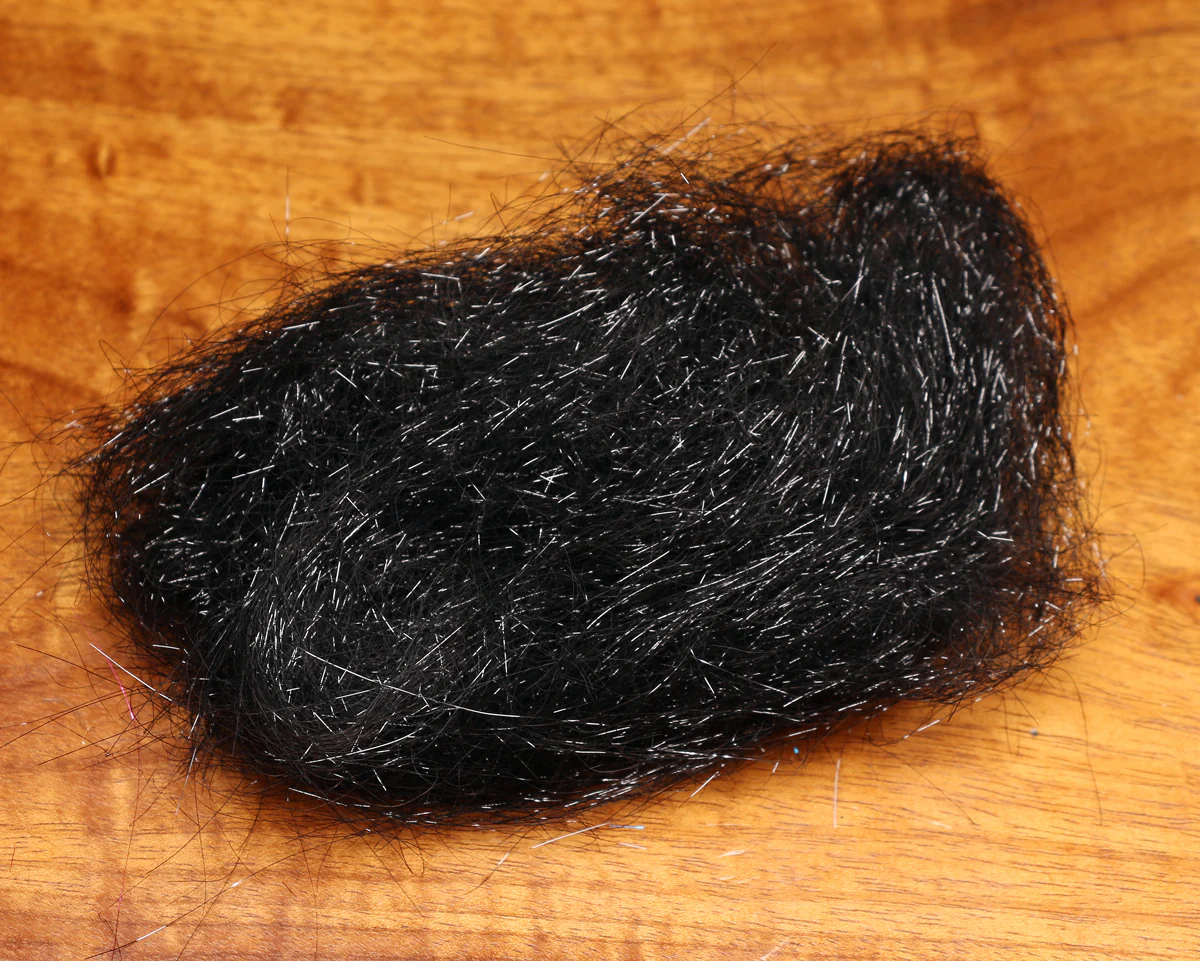
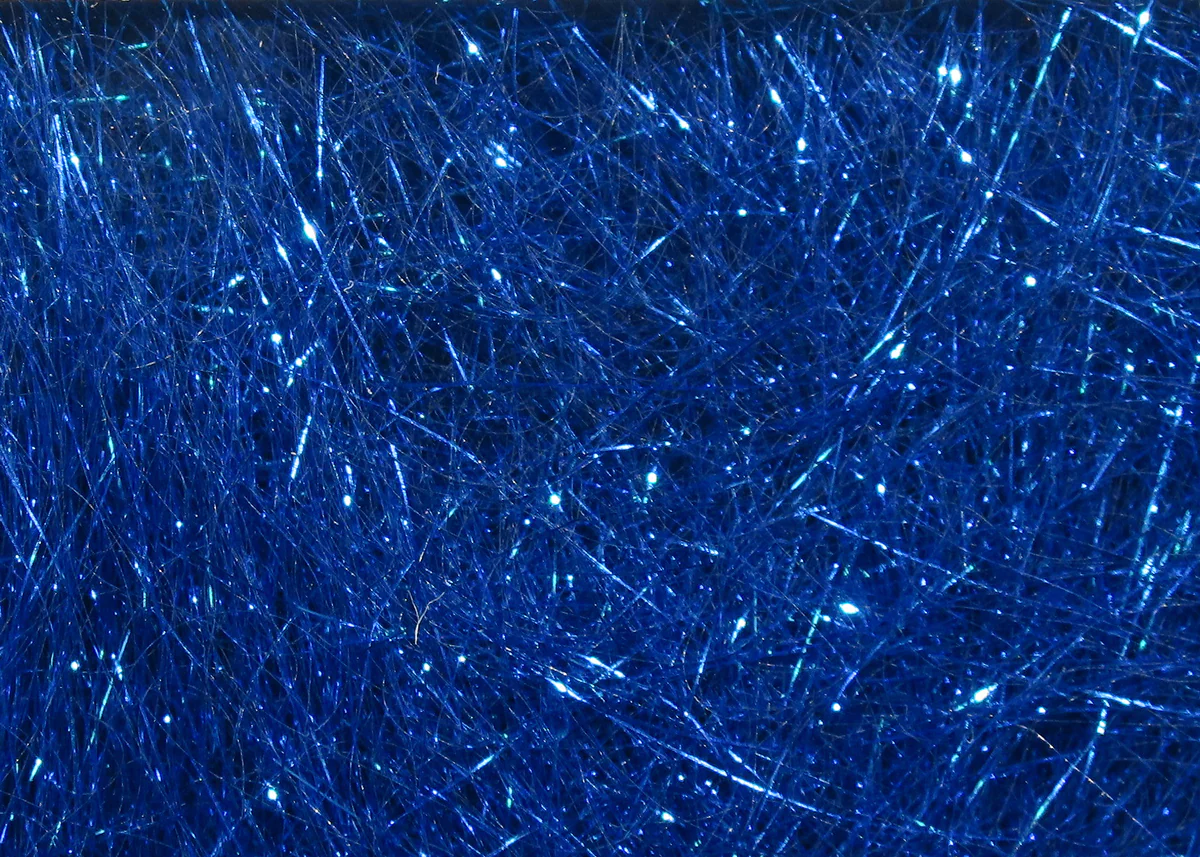
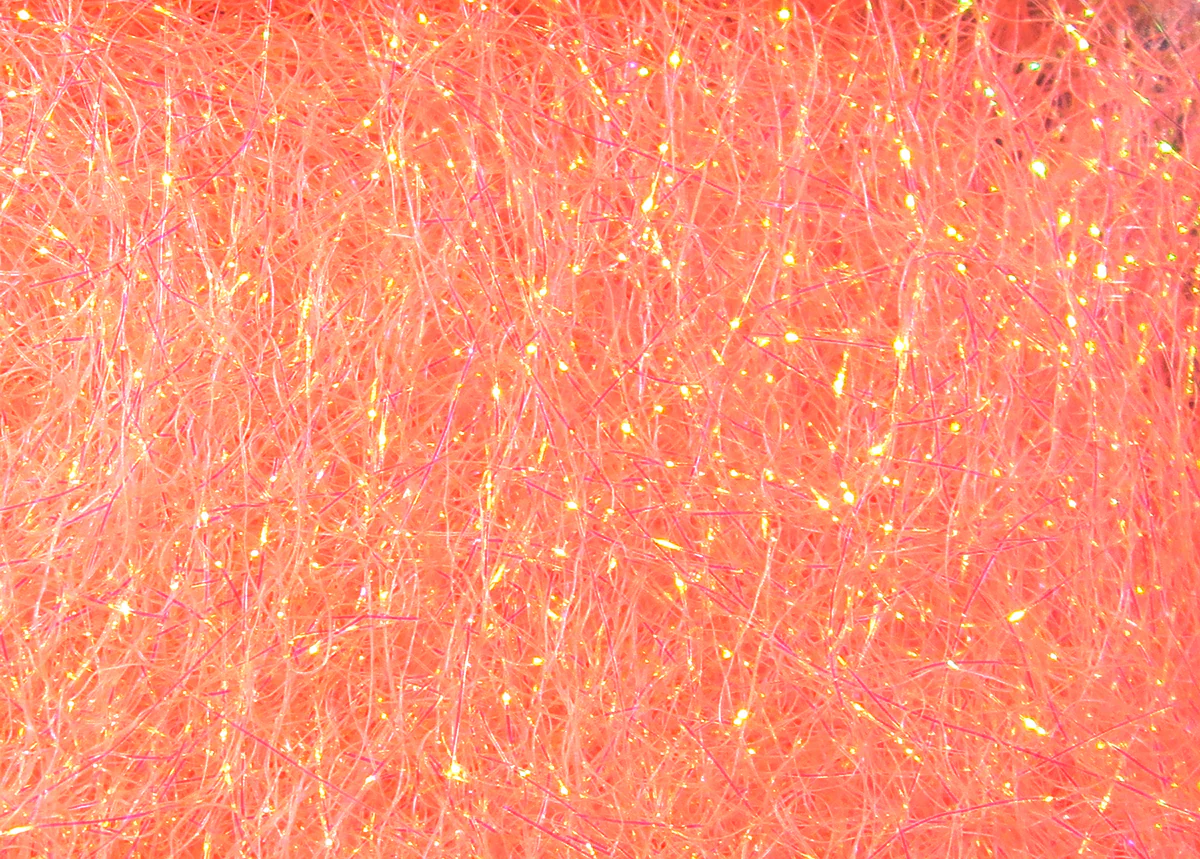
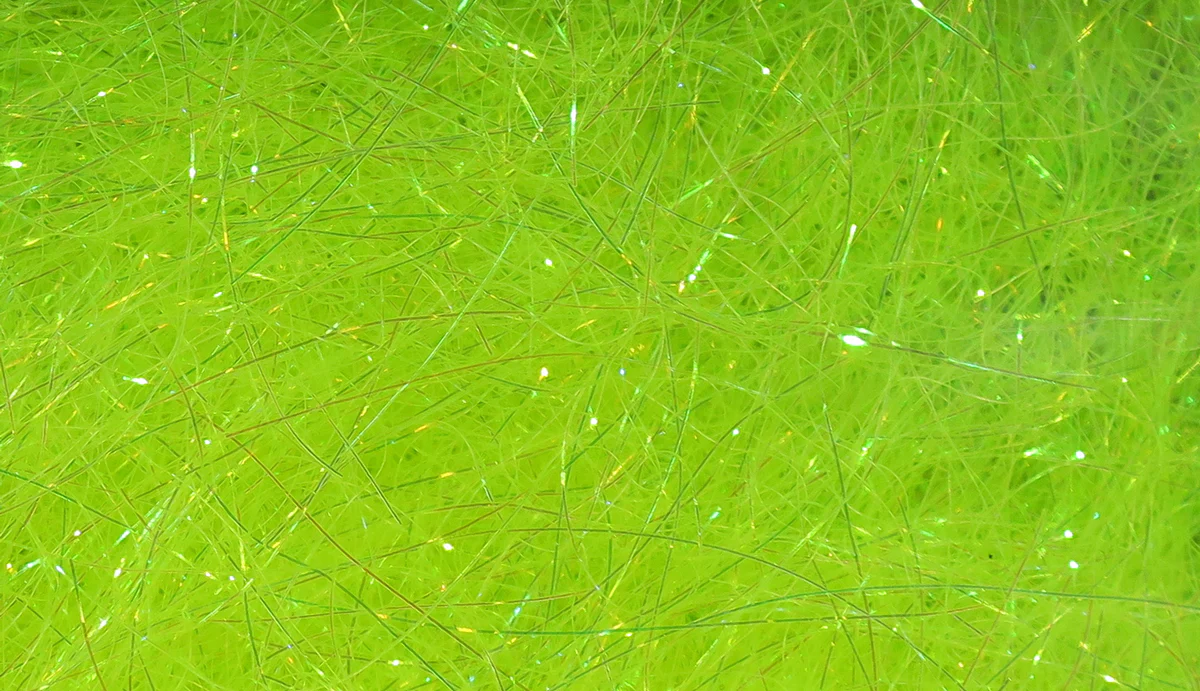
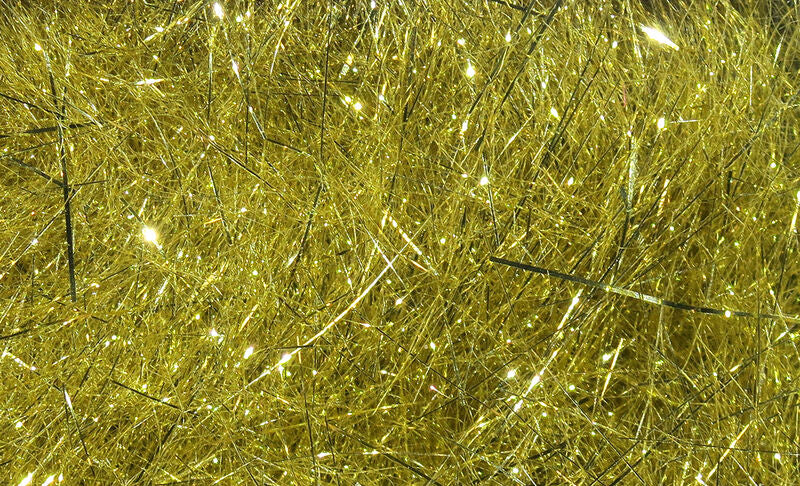
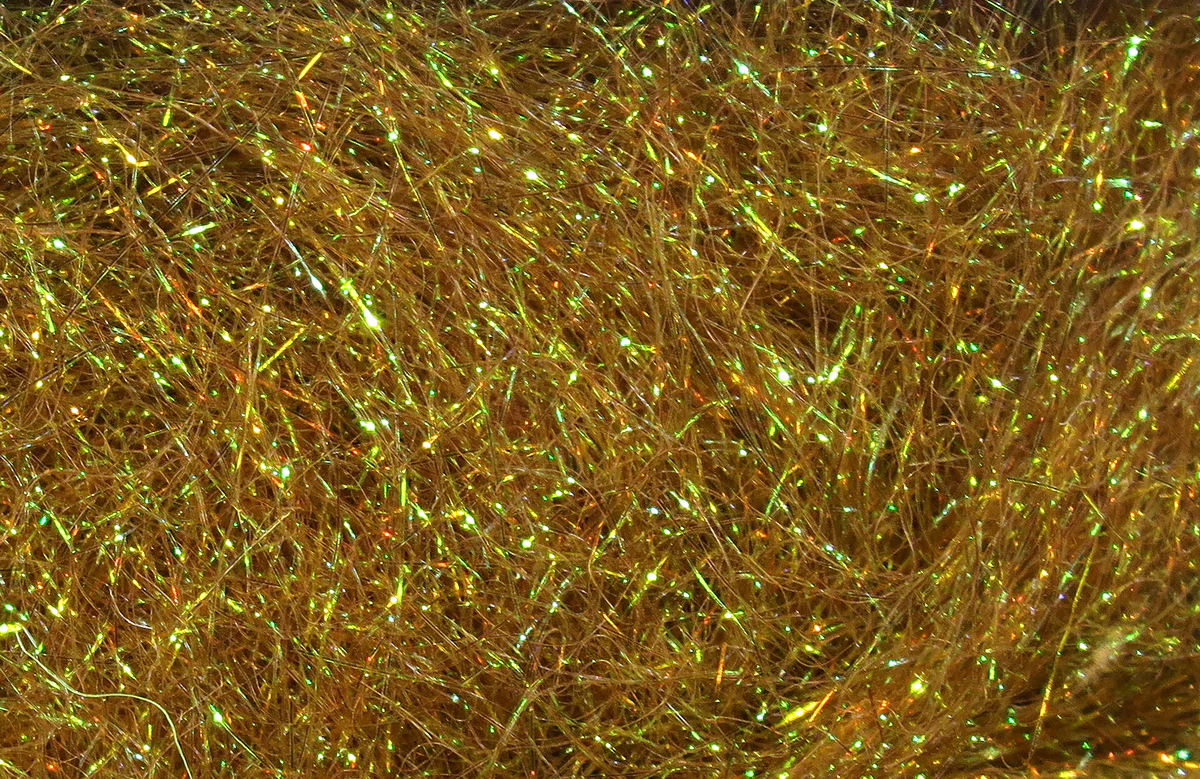
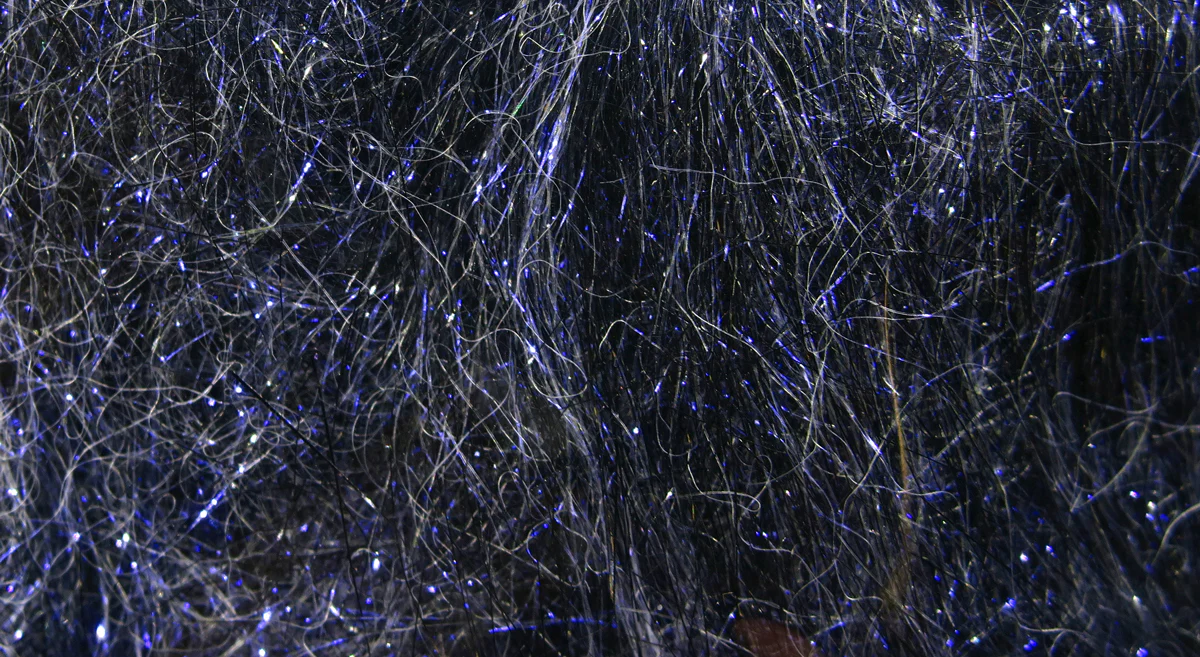
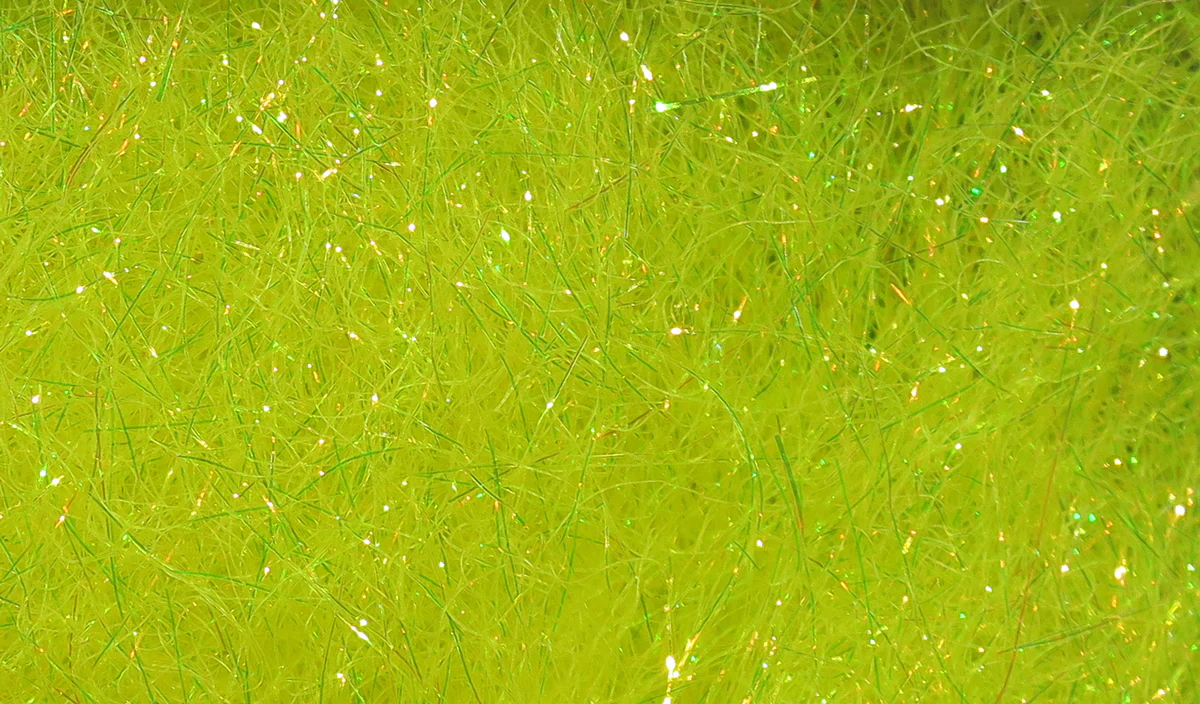
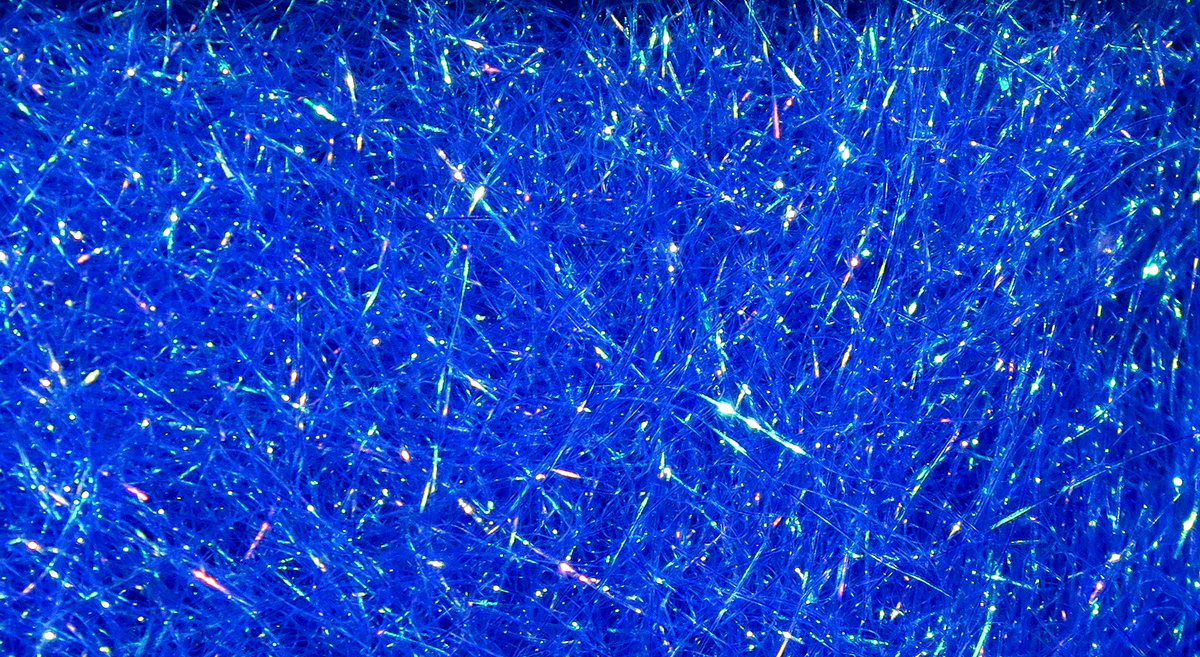
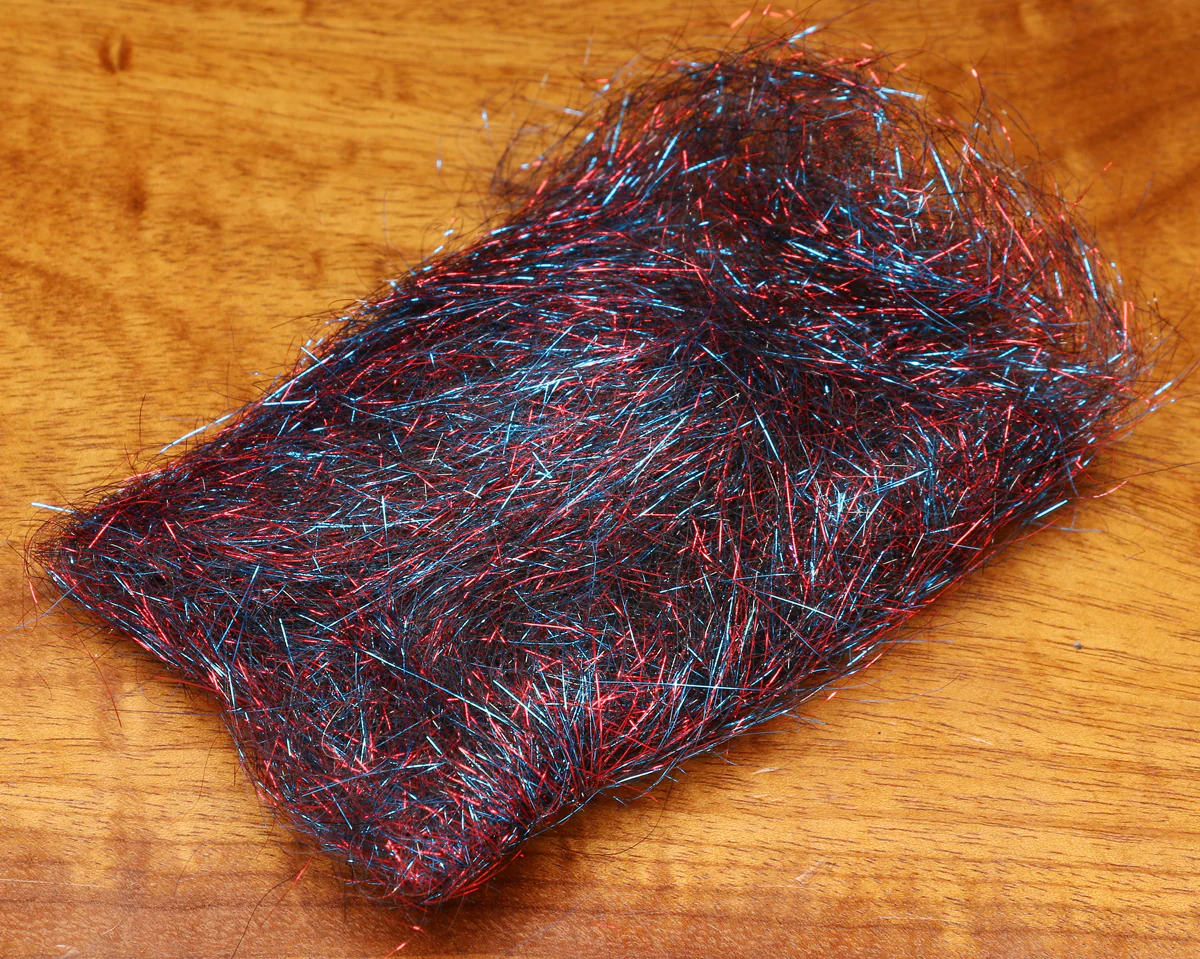
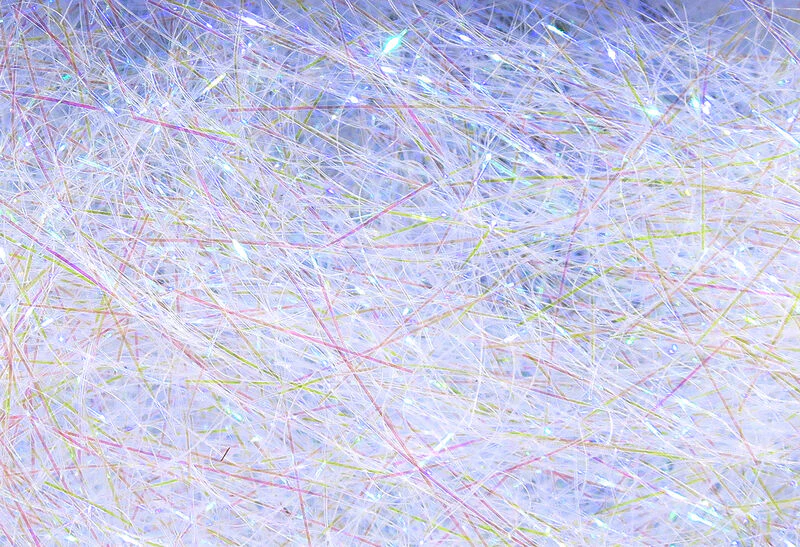
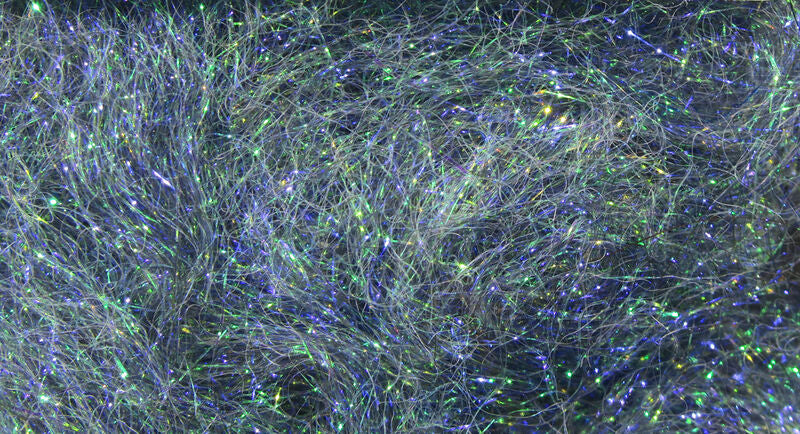
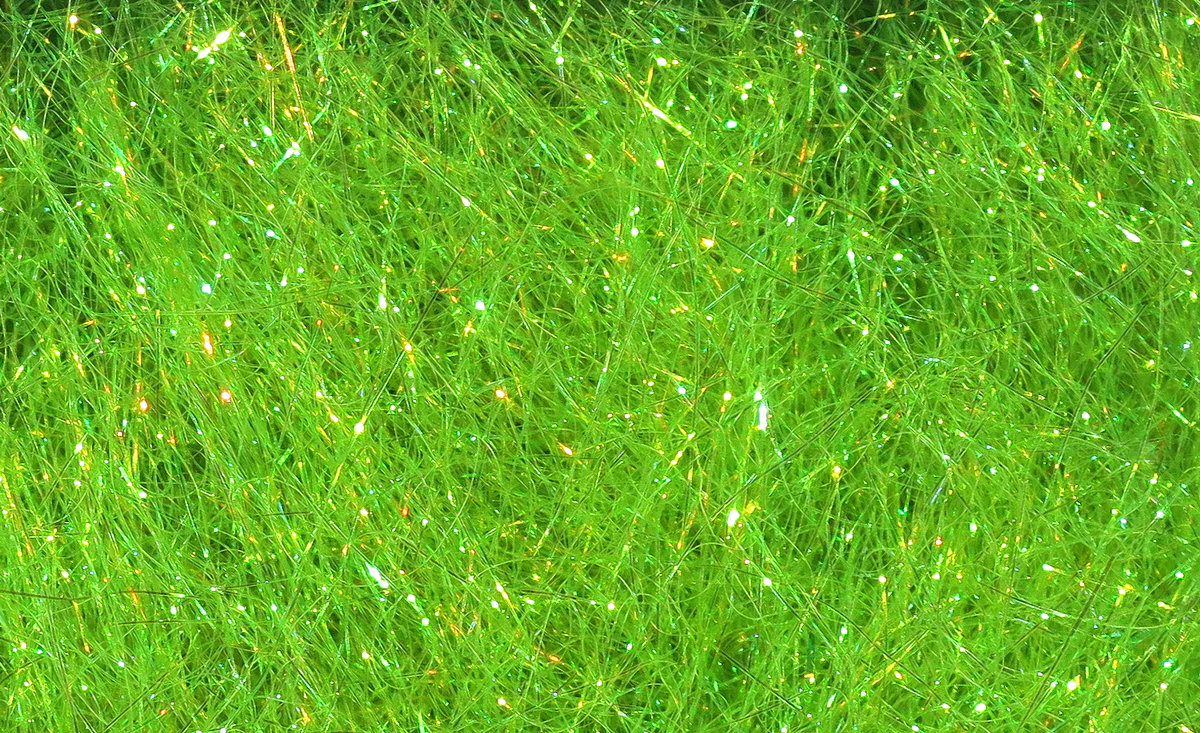
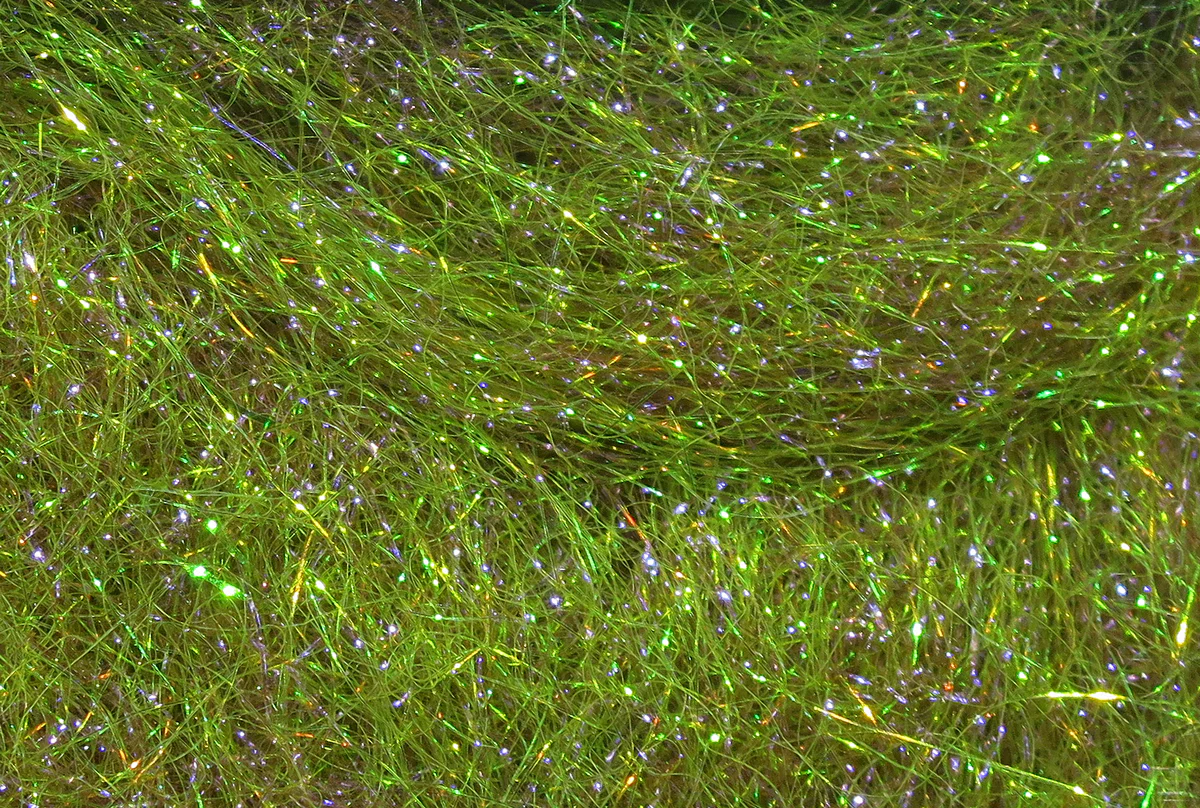
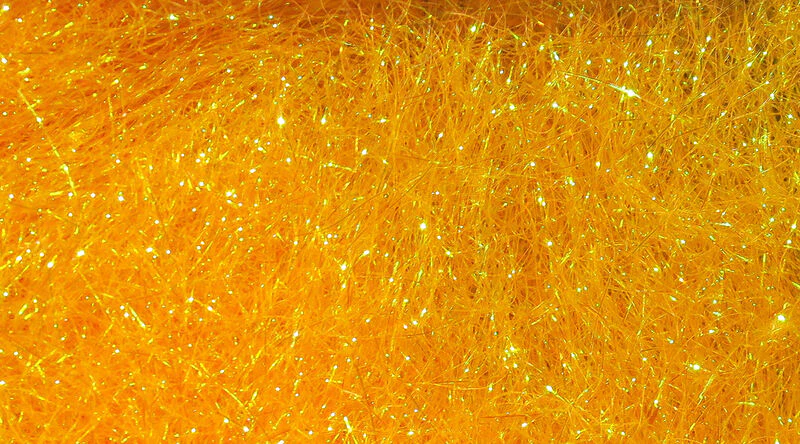
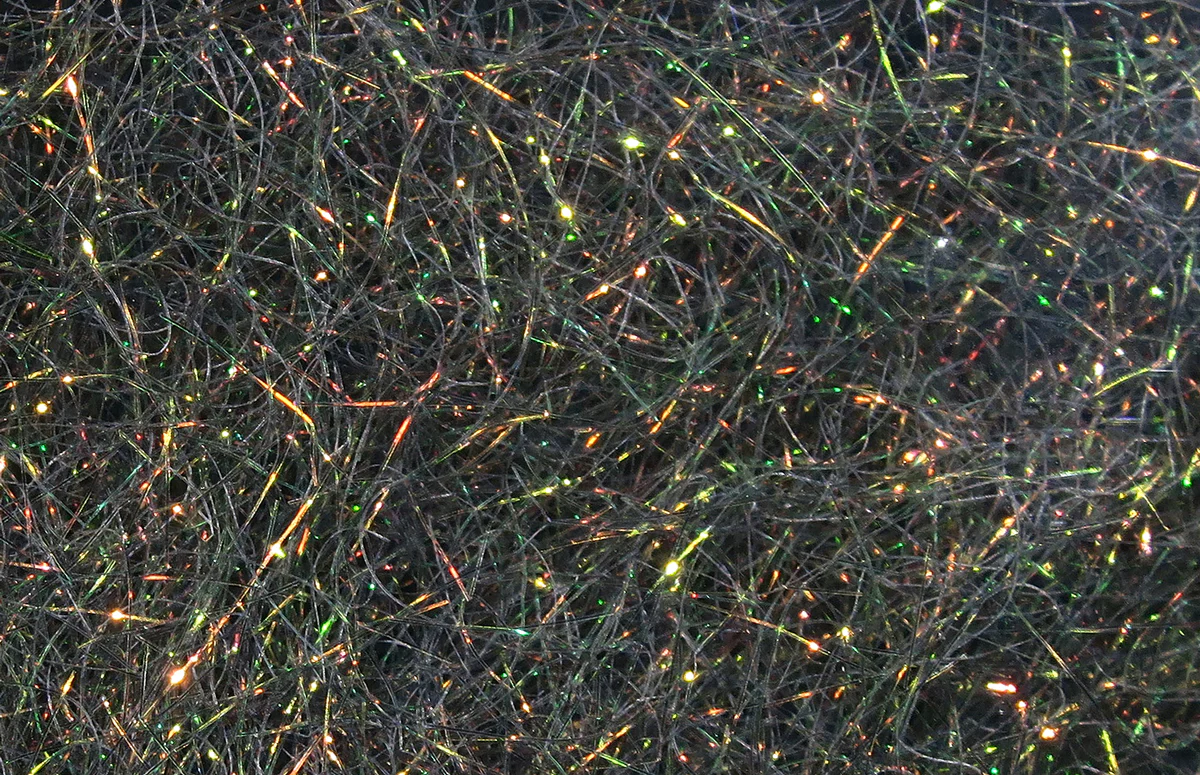
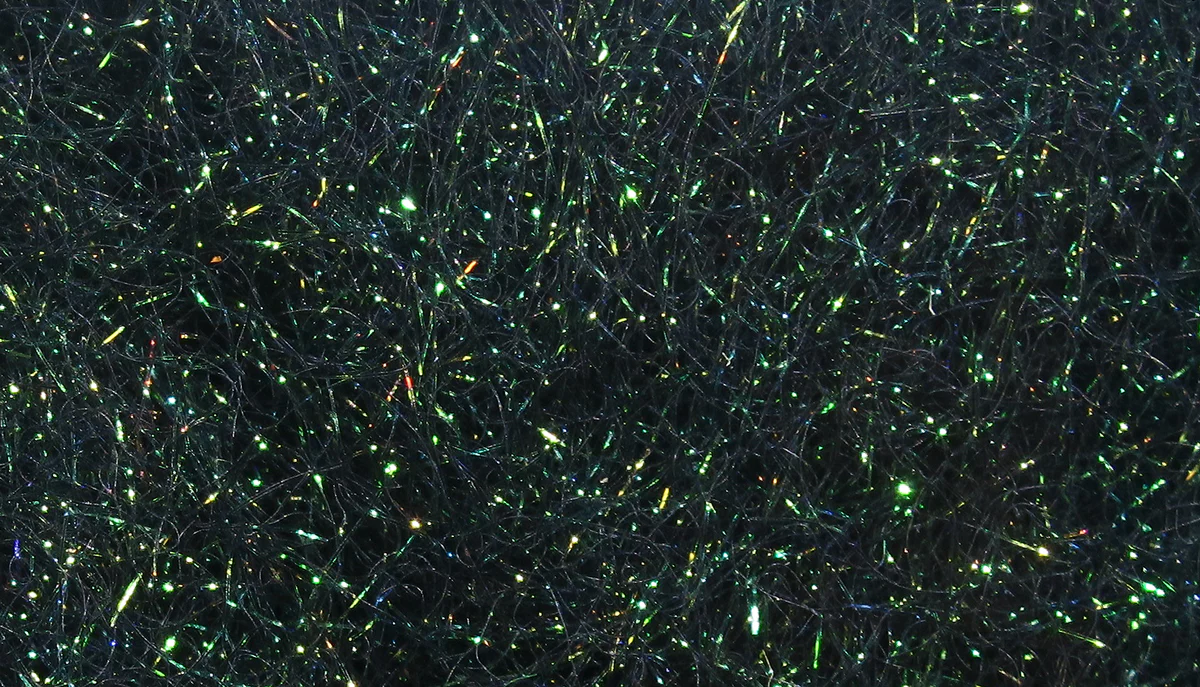
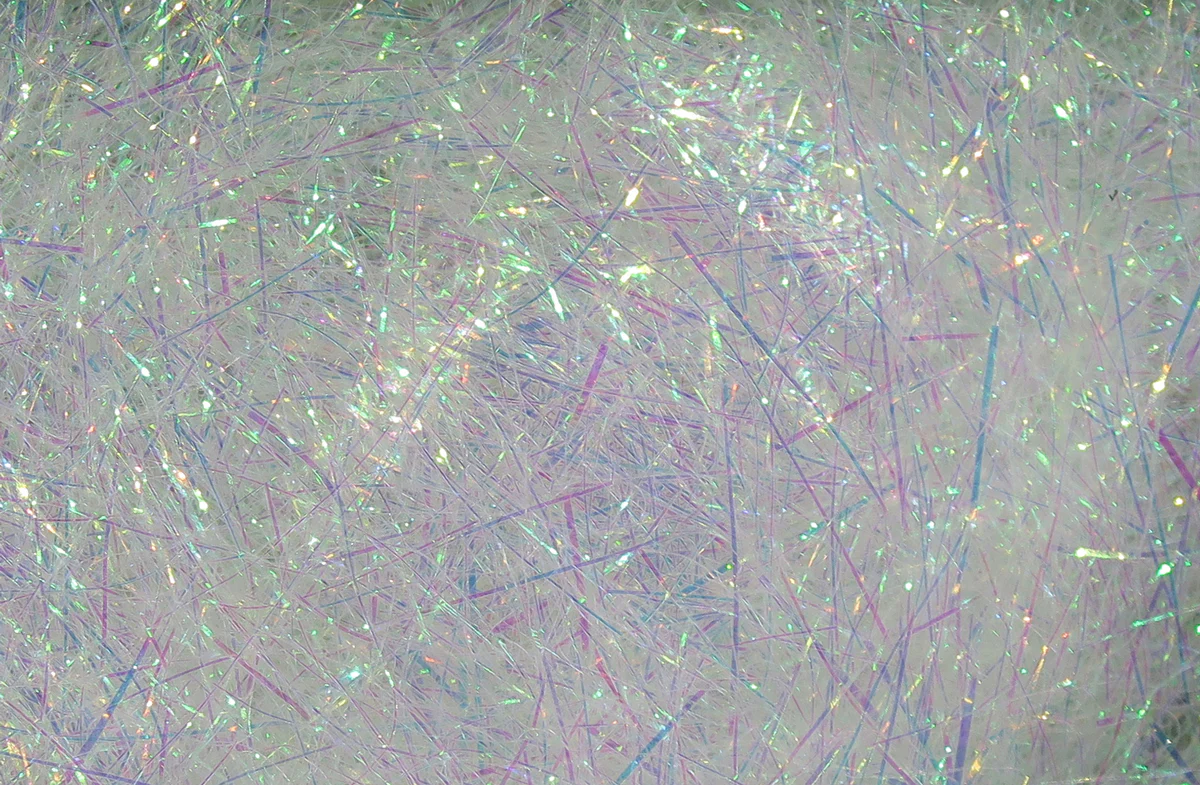
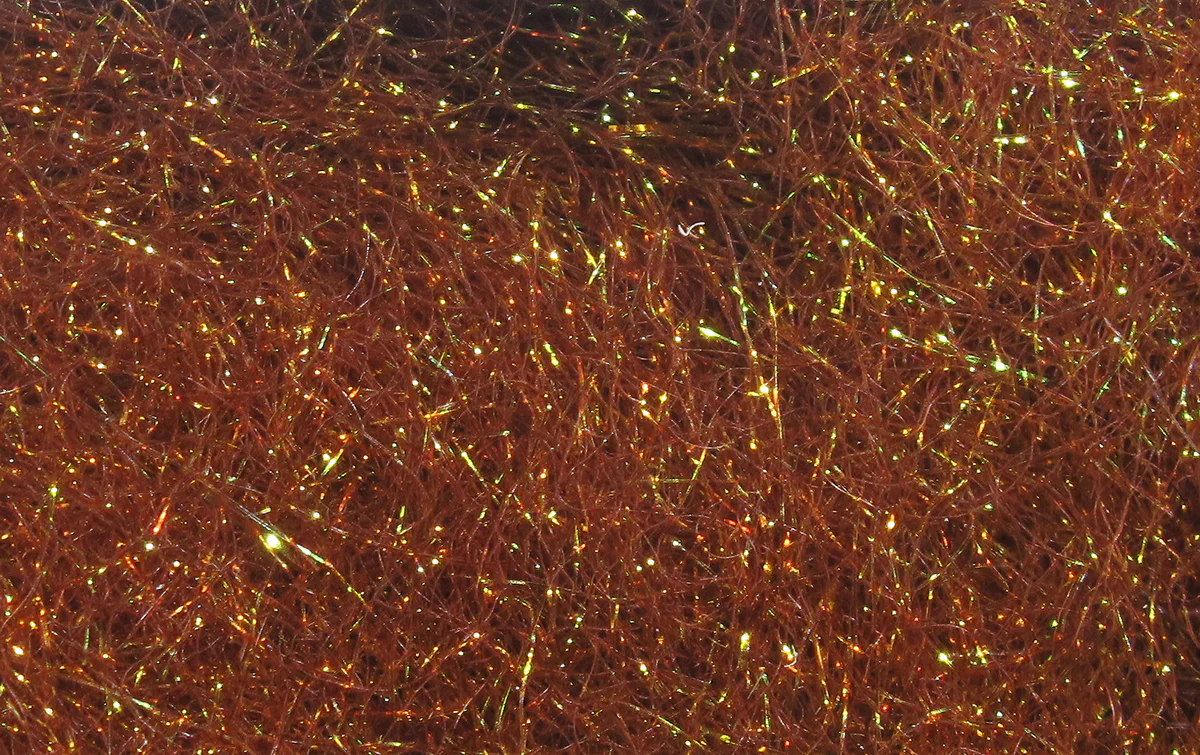
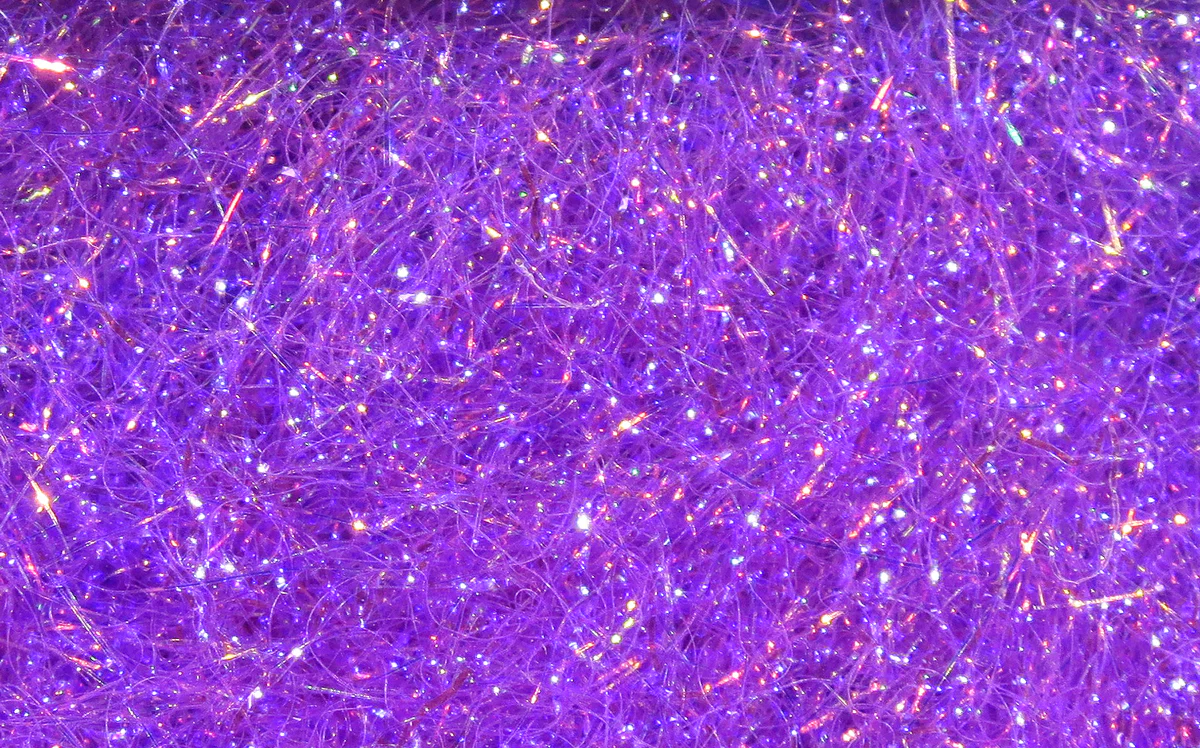
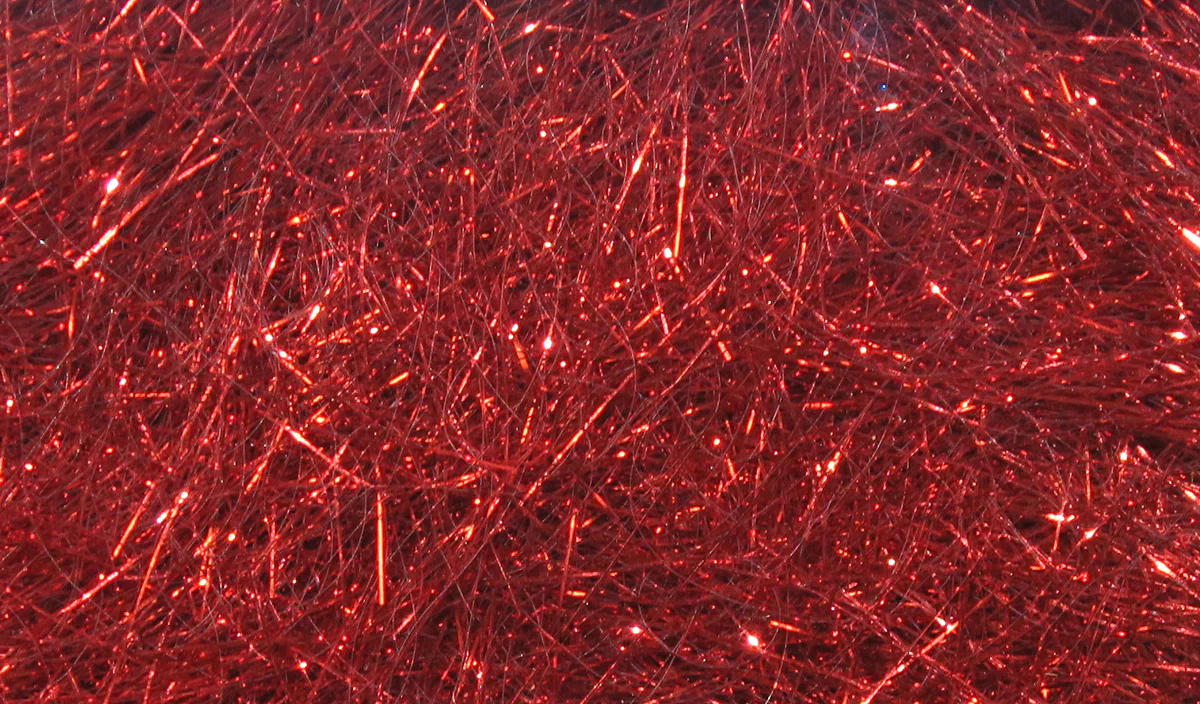
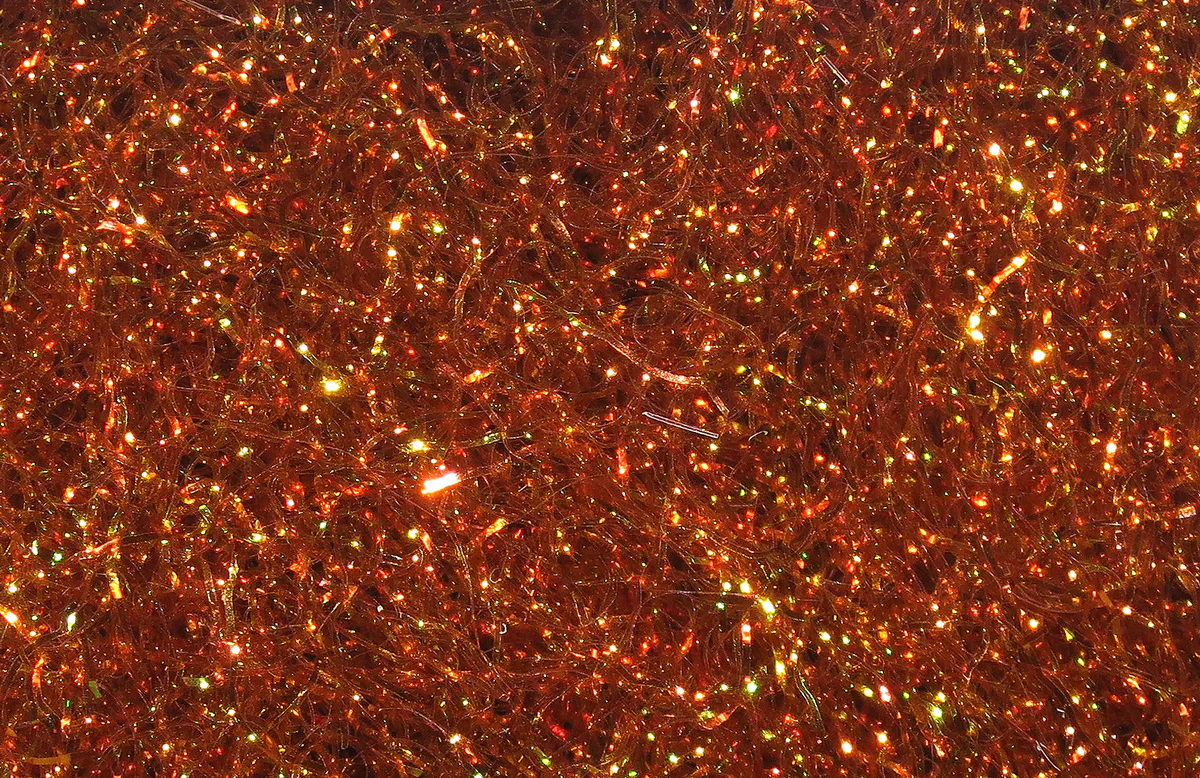
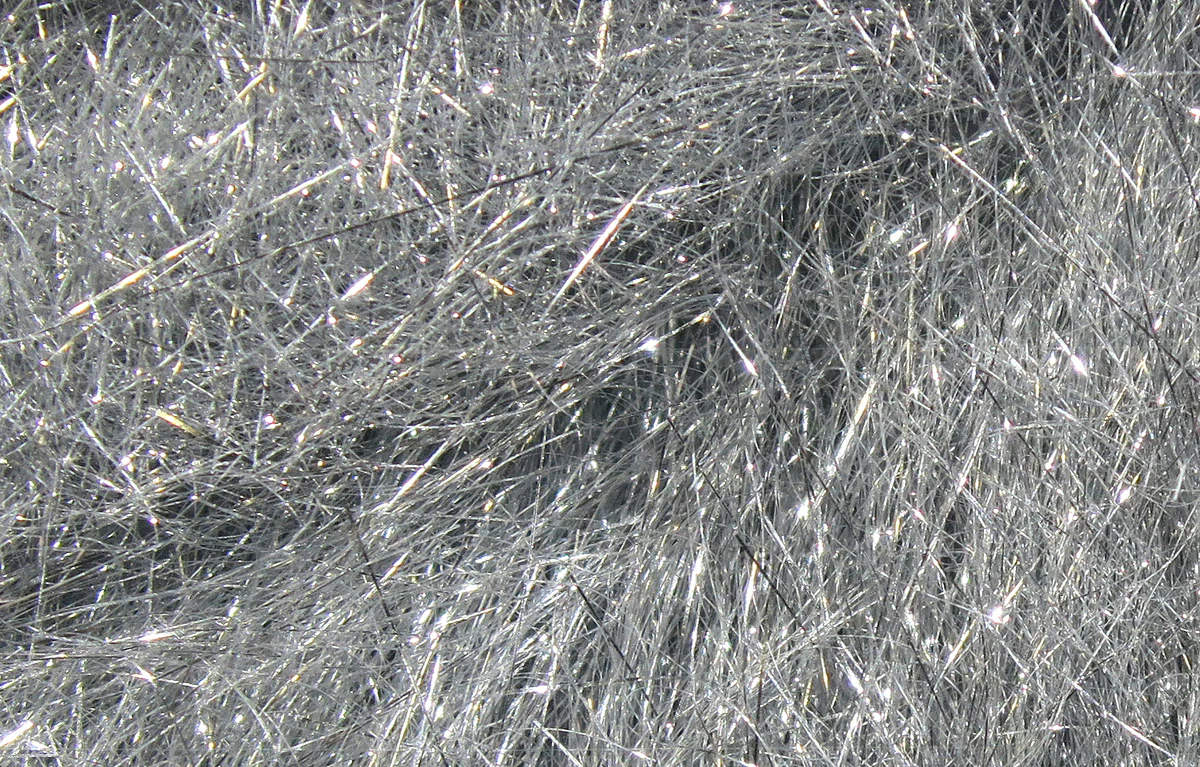
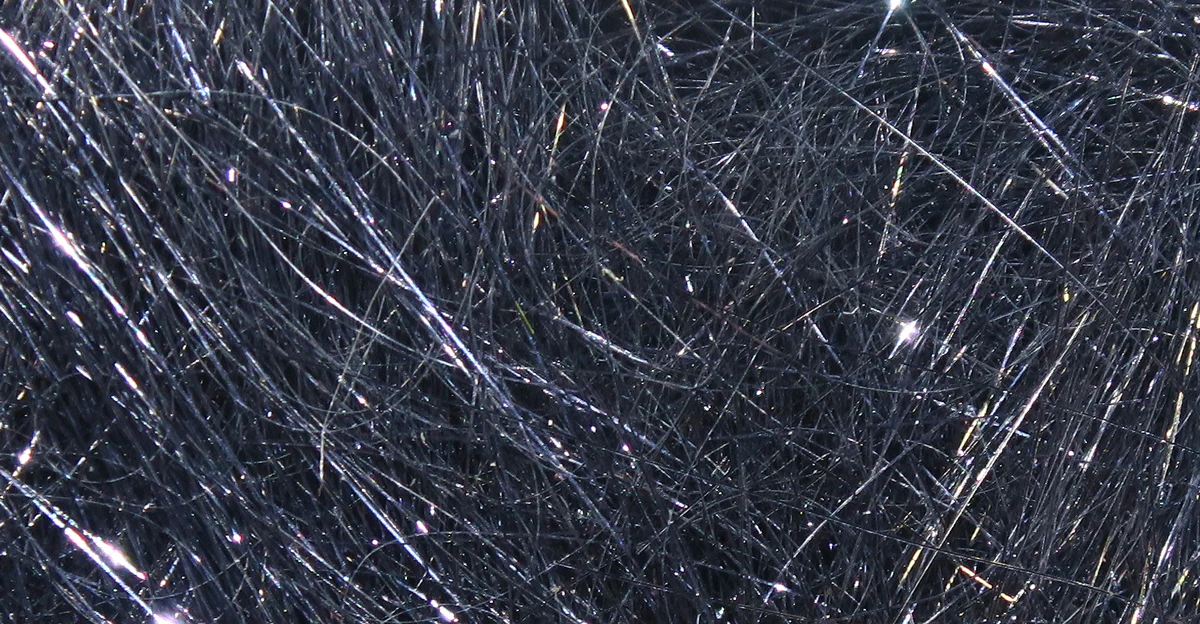
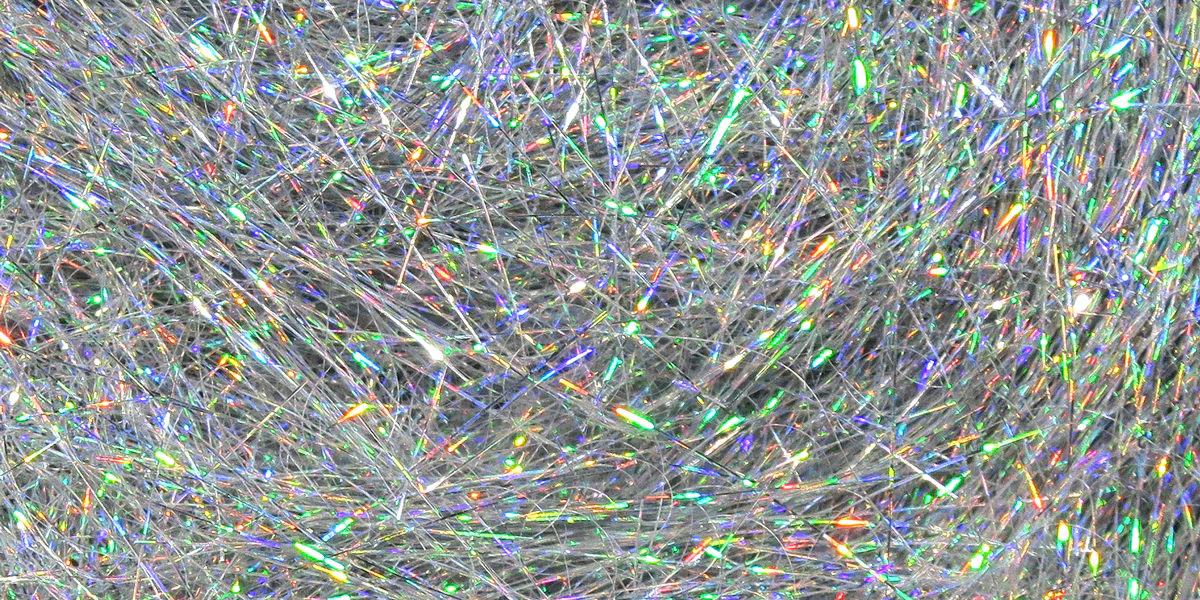
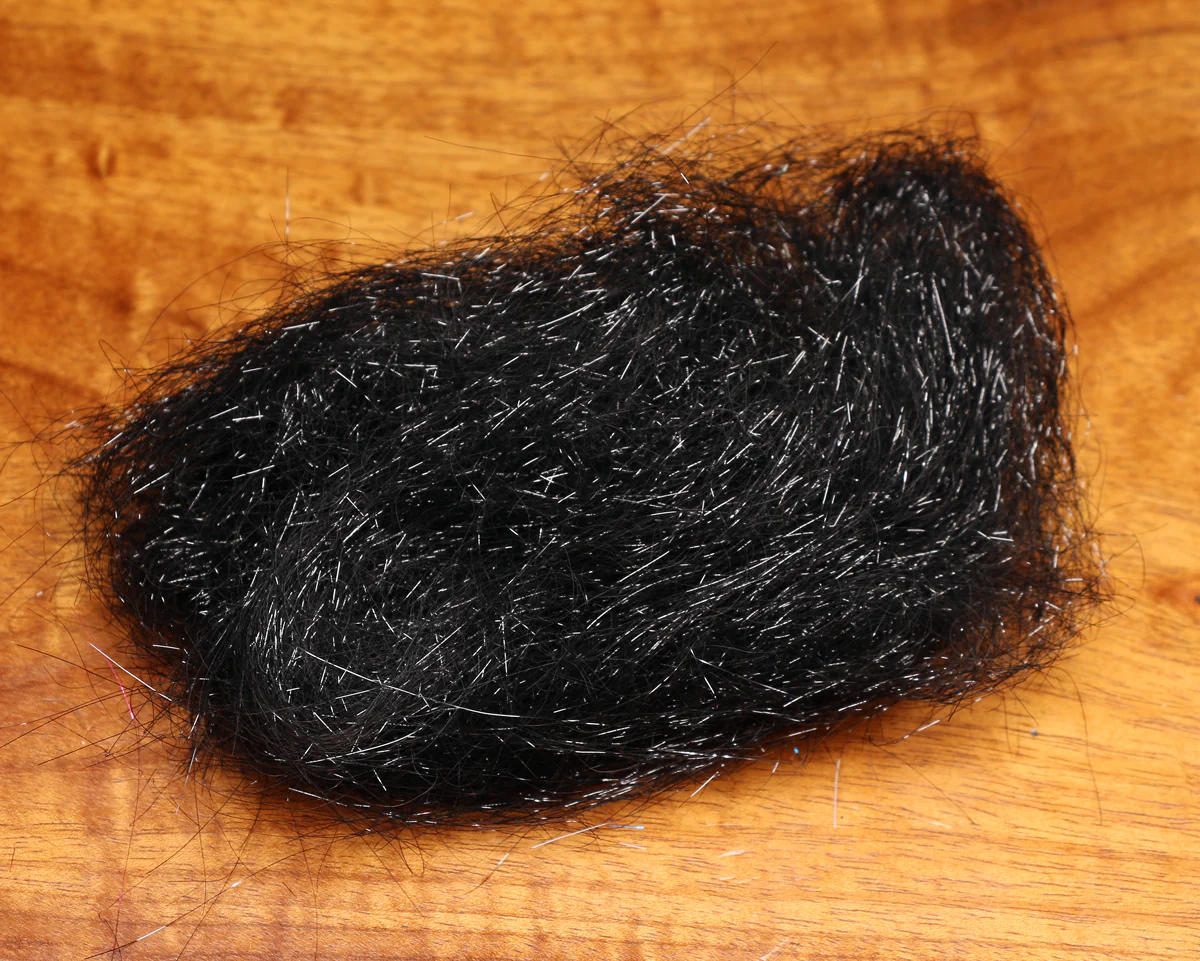
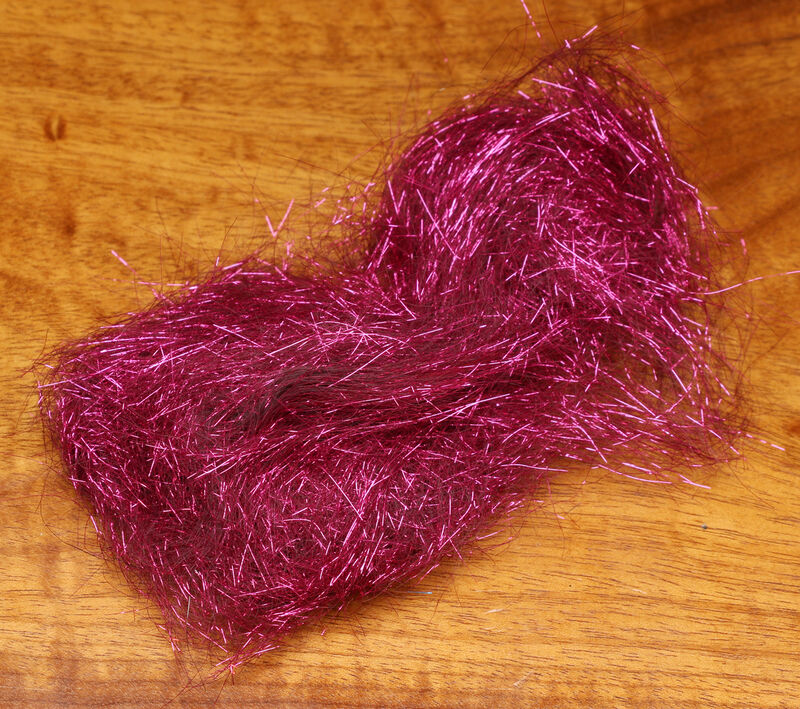
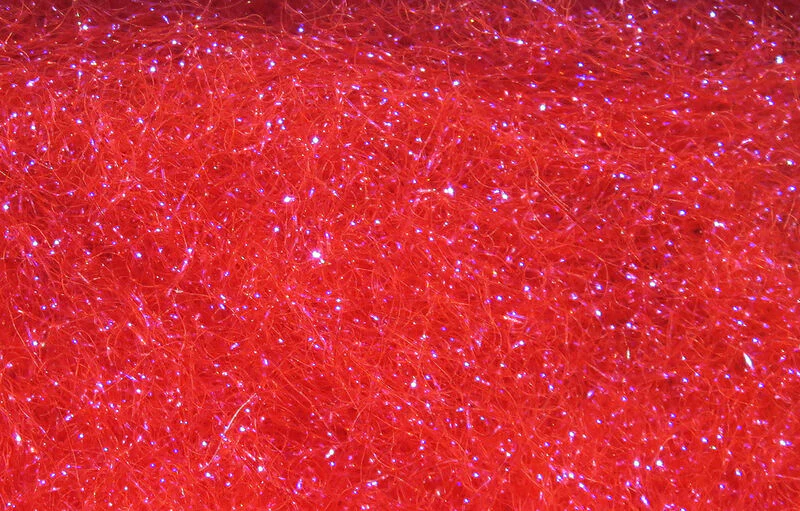
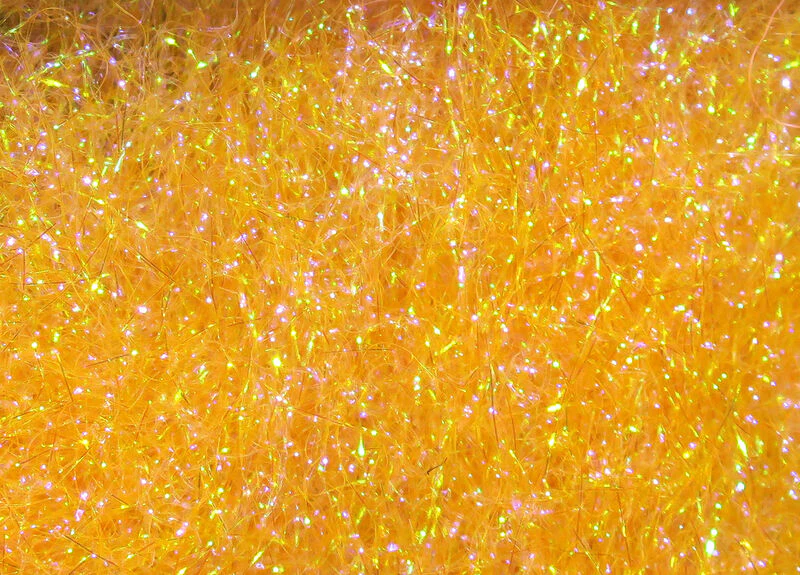
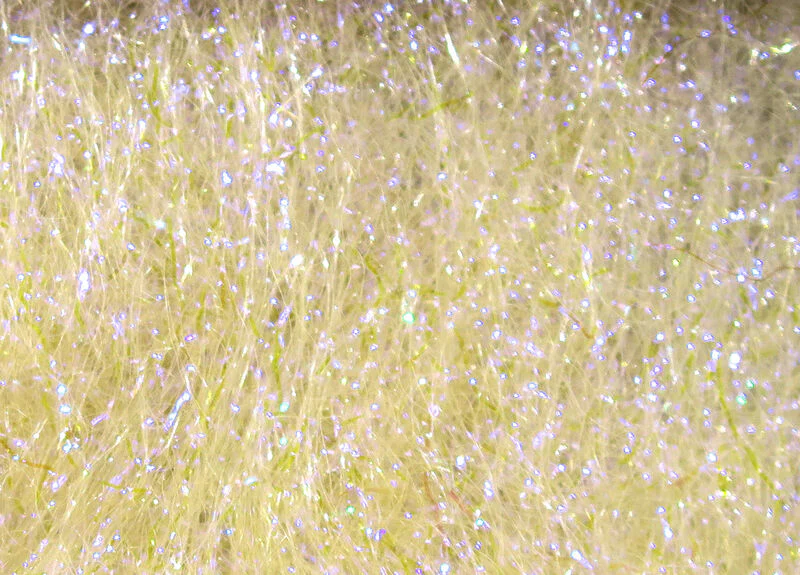
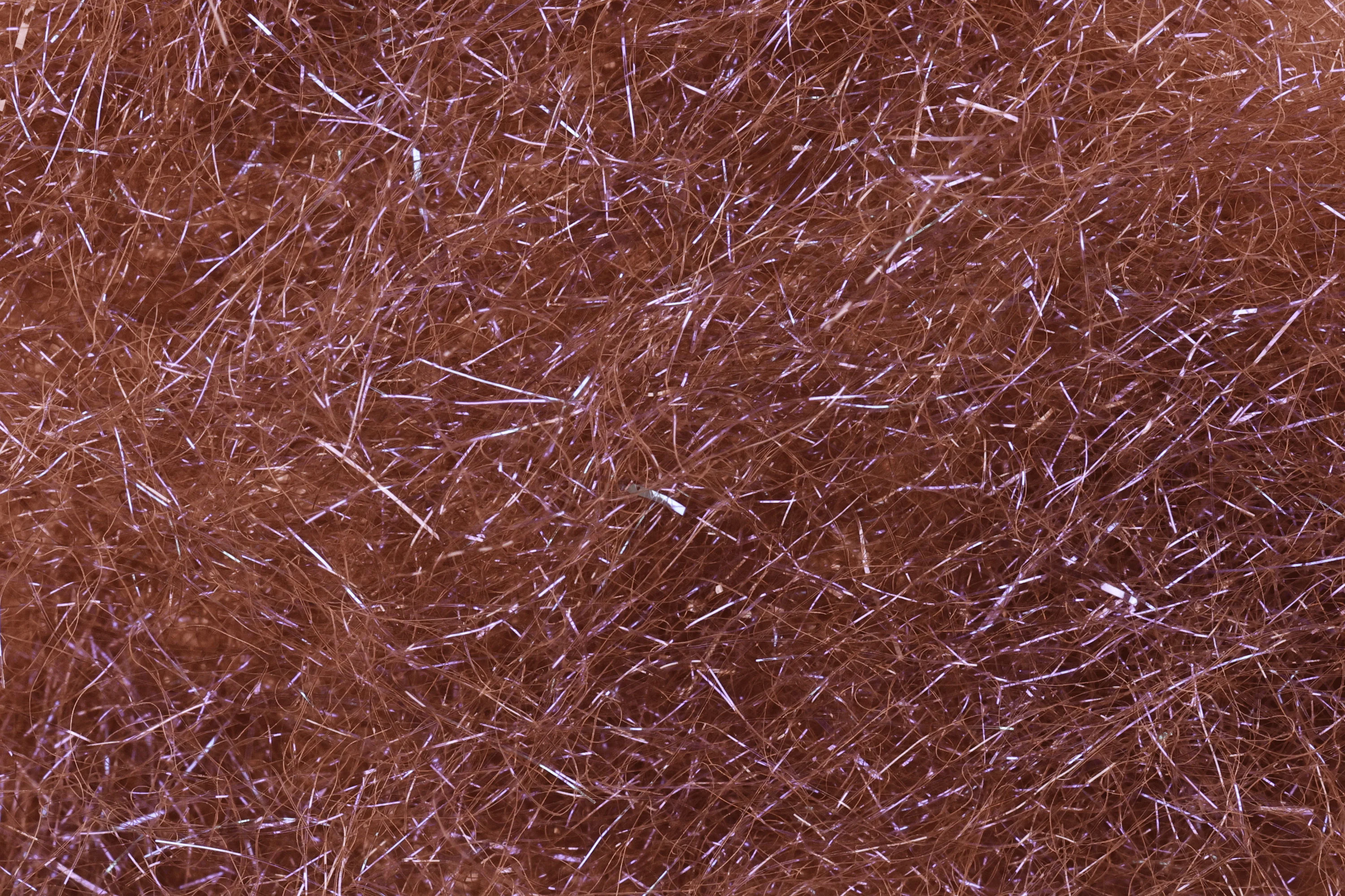
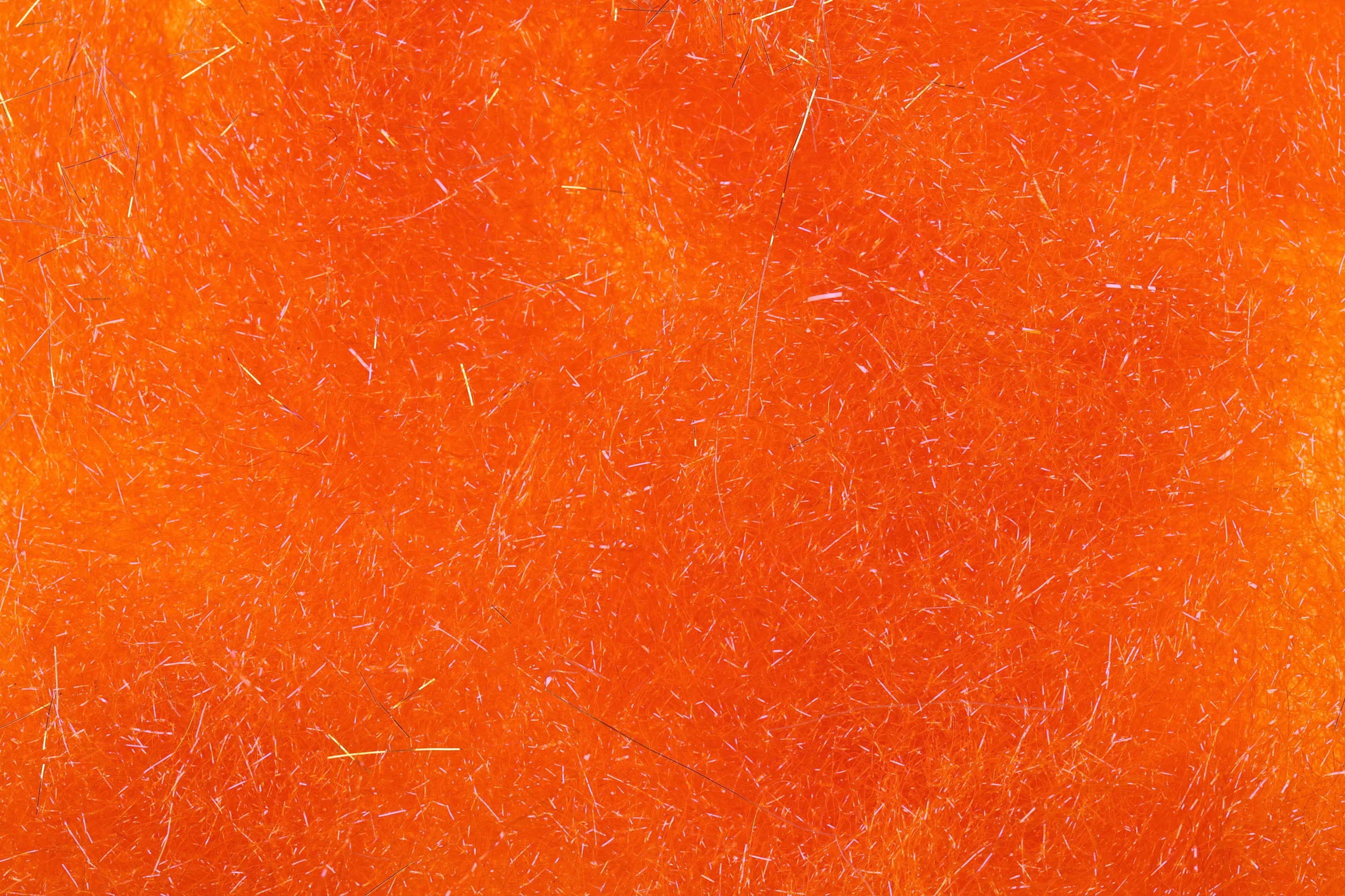
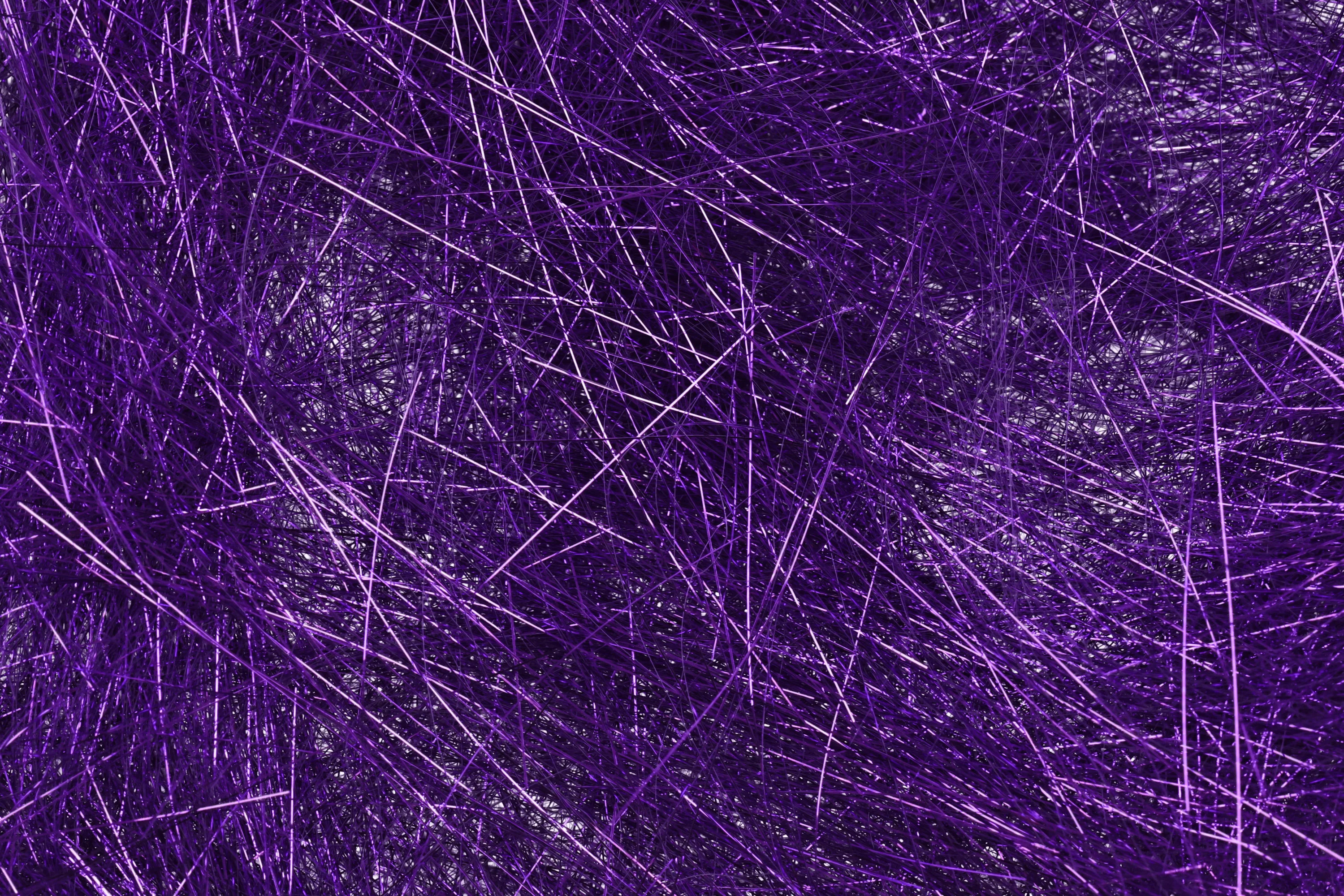
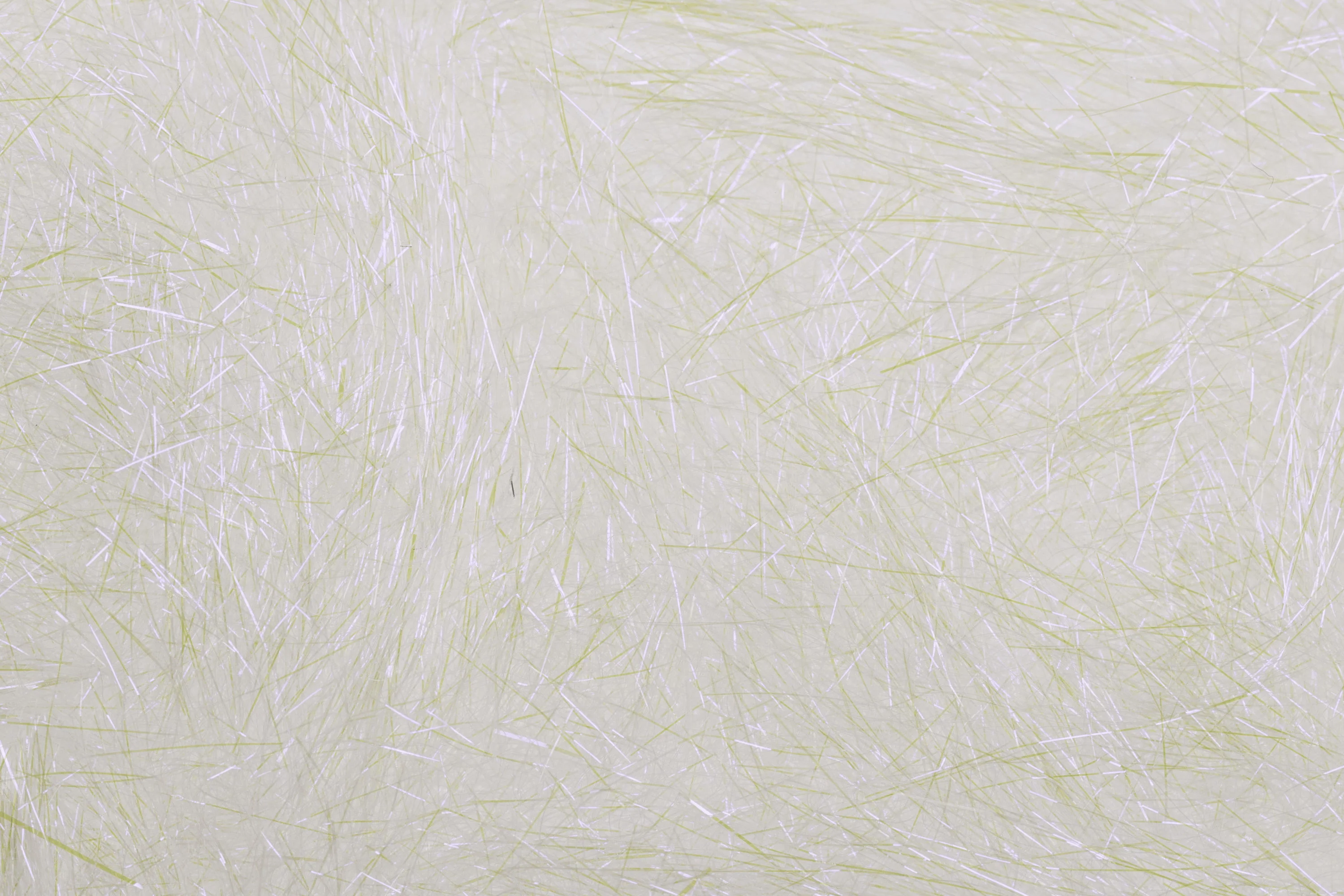
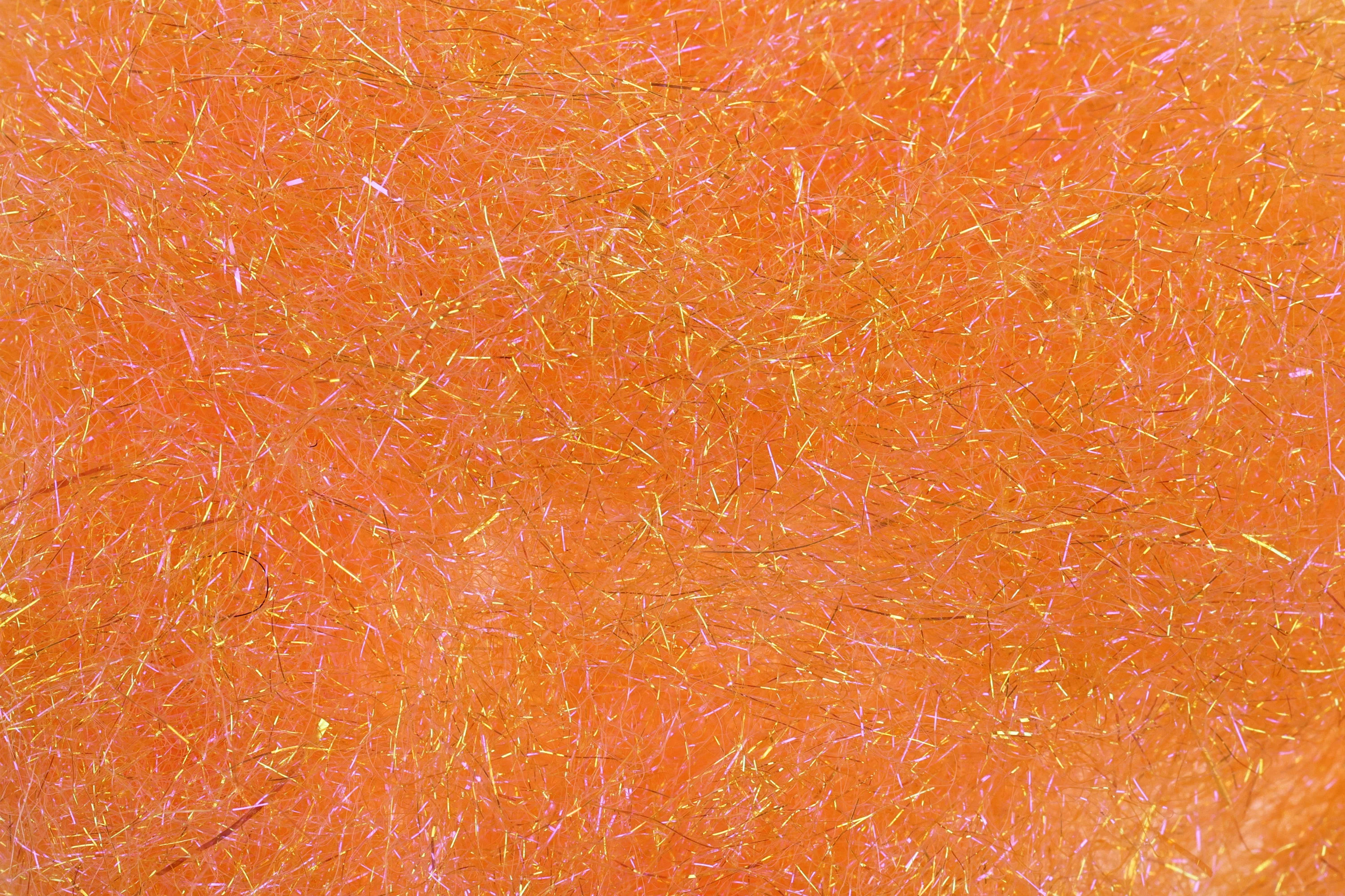
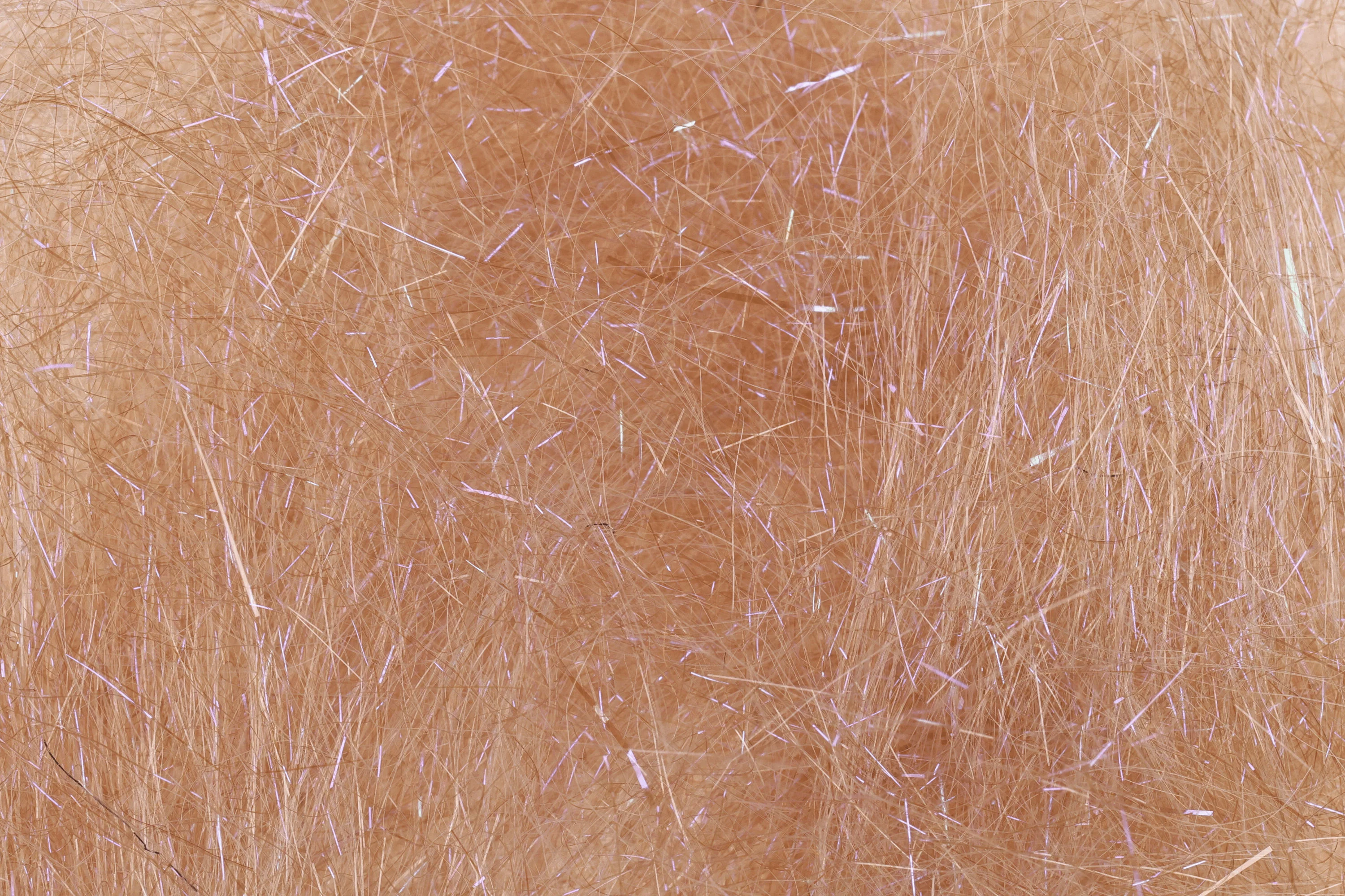
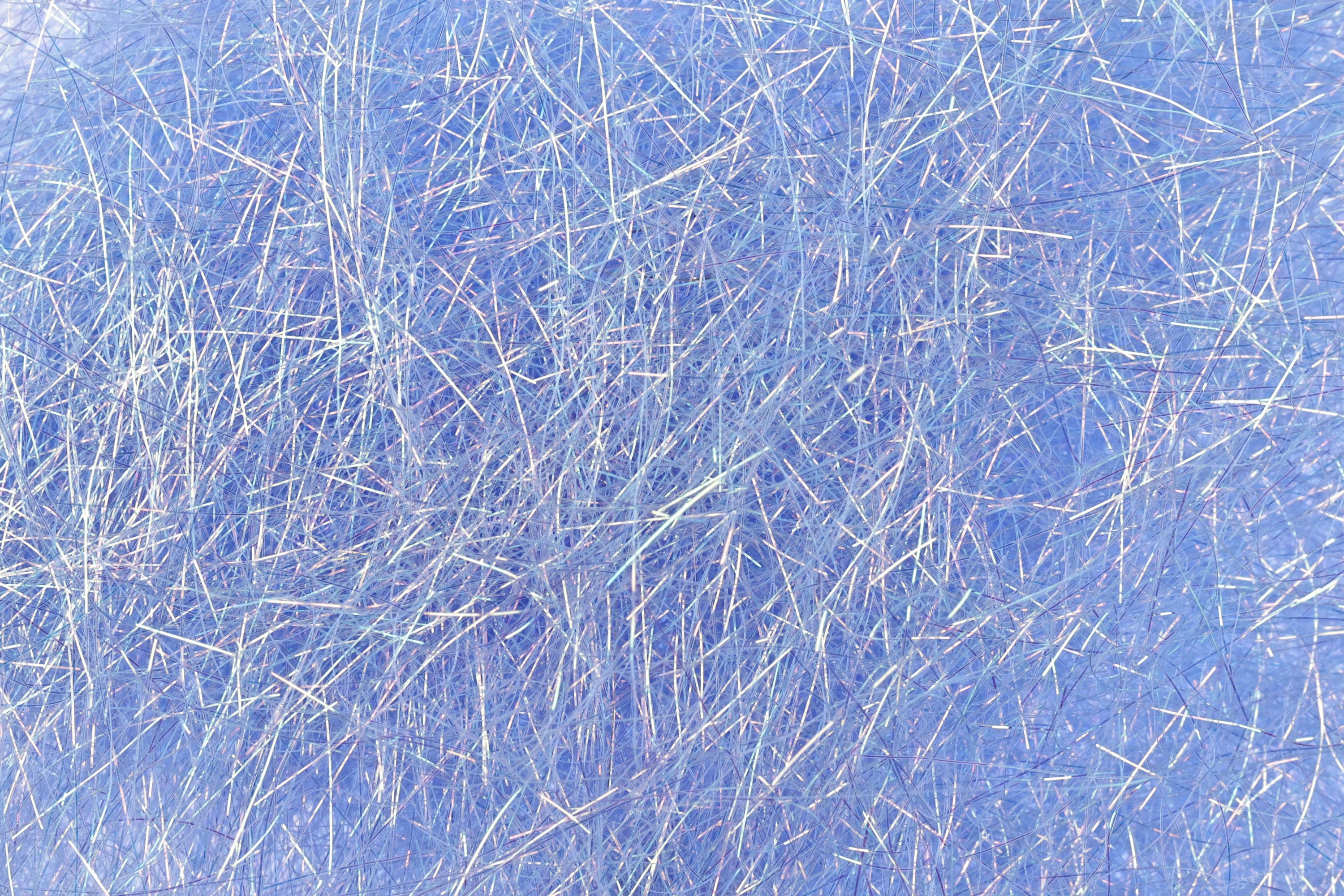
If there is one dubbing that belongs in every fly tyer's kit, it's Hareline Ice Dub. This is the synthetic dubbing that built a thousand hotspots the secret weapon behind countless winning Euro nymphs, the flash in your favorite streamer's belly, and the spark that turns a refusal into an eat. Fine Mylar fibers, roughly one to one and a half inches long, catch light from every angle and bring lifelike sparkle underwater that mimics the trapped air bubbles of an emerging insect and the scales of a wounded baitfish.
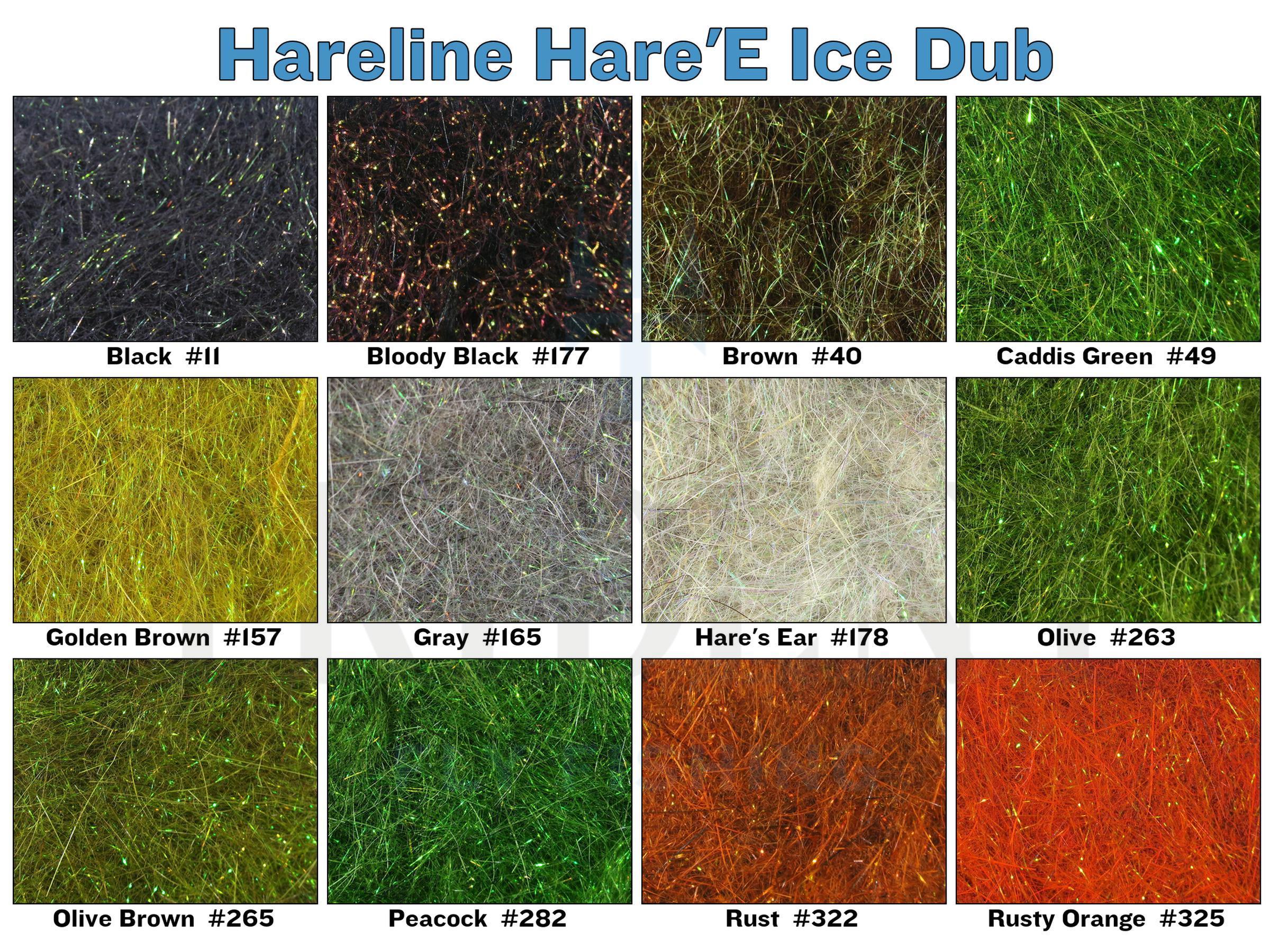
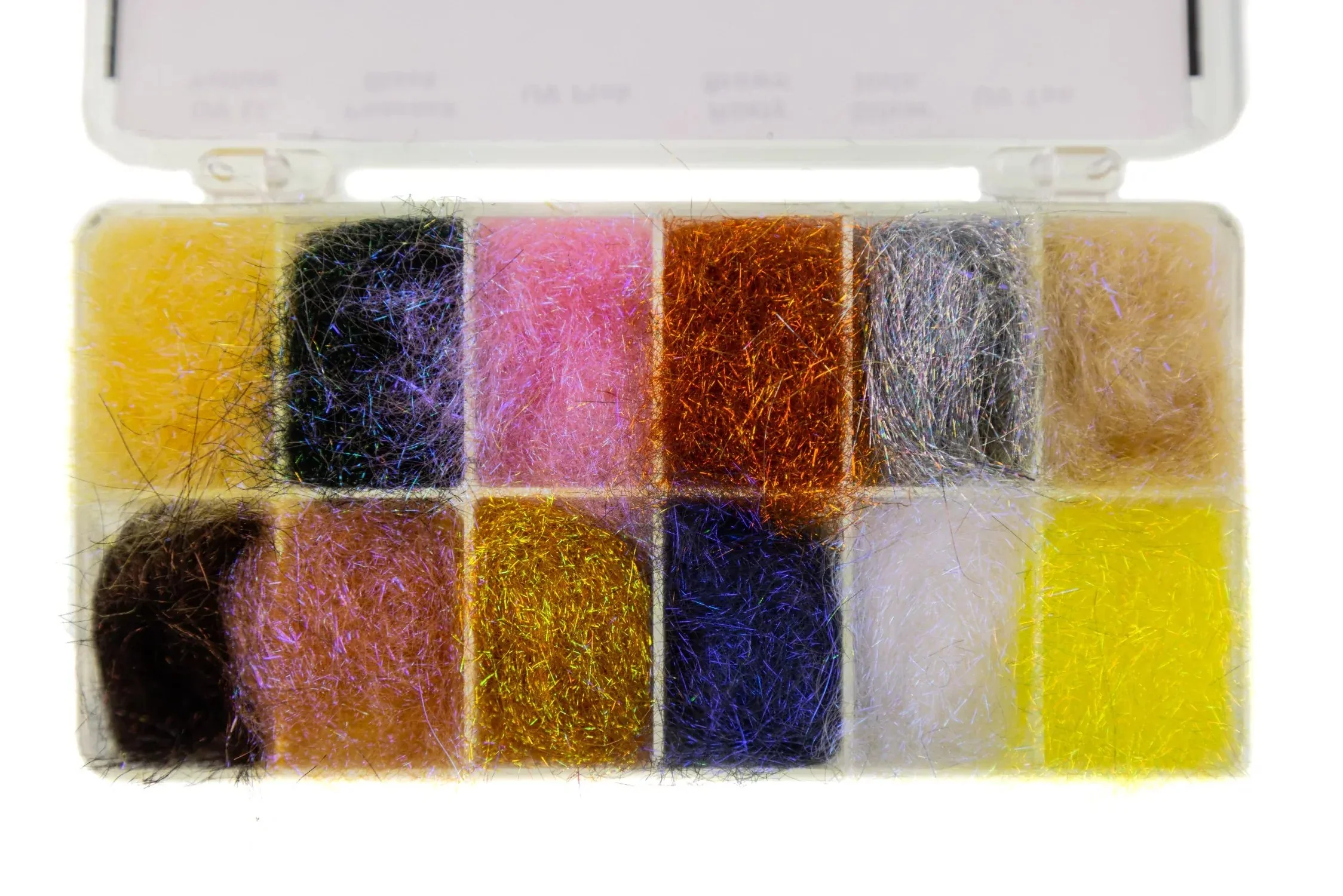
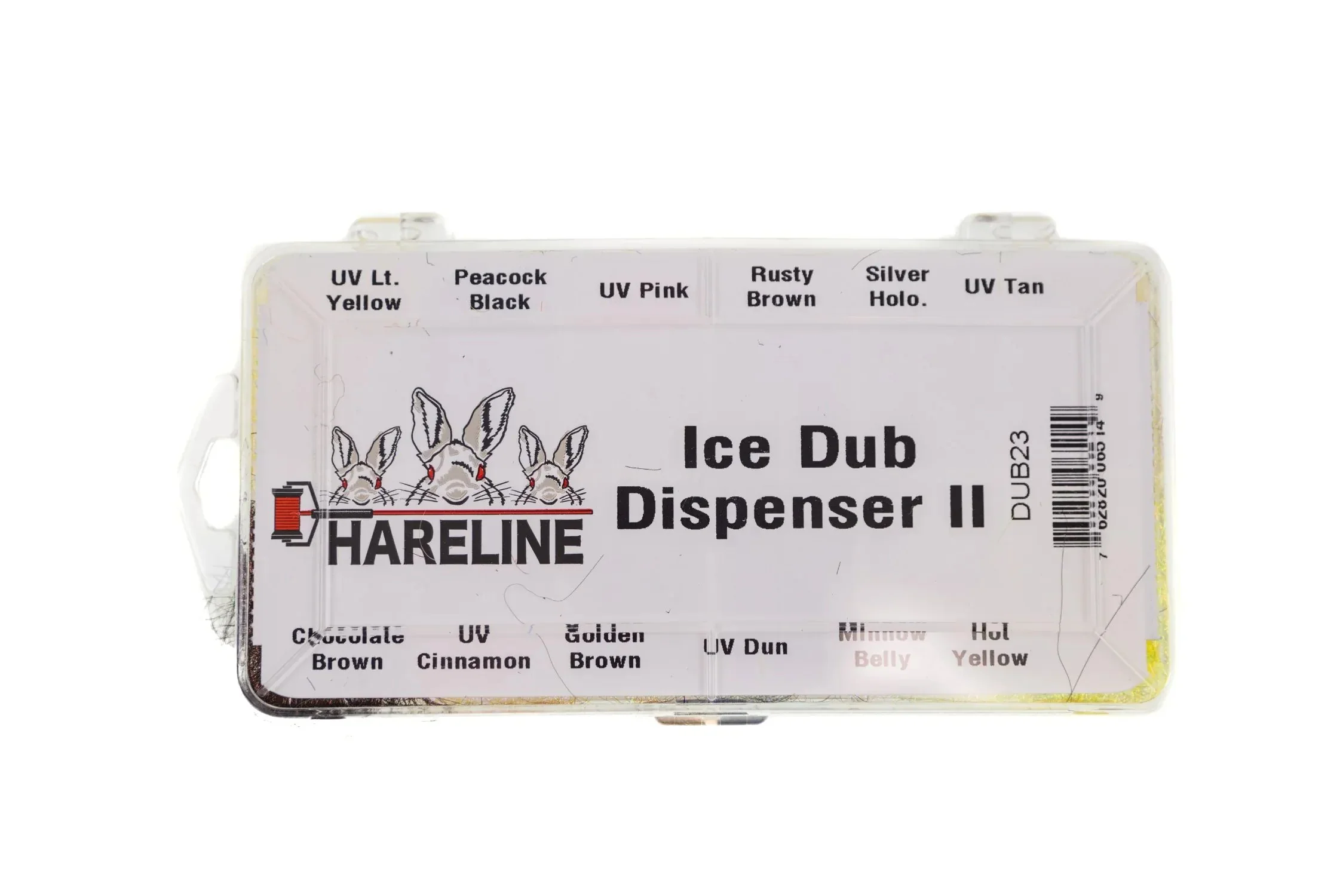
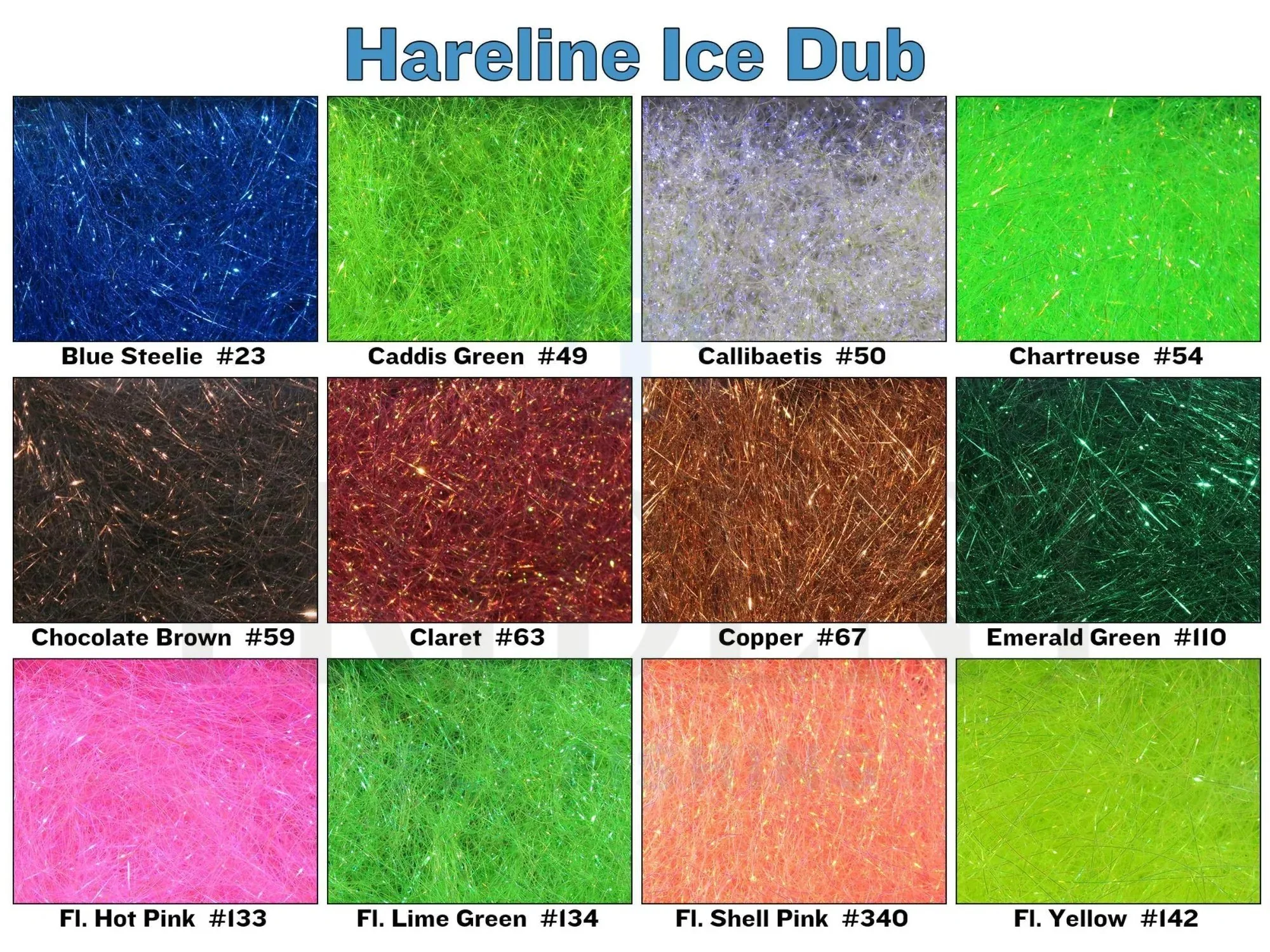
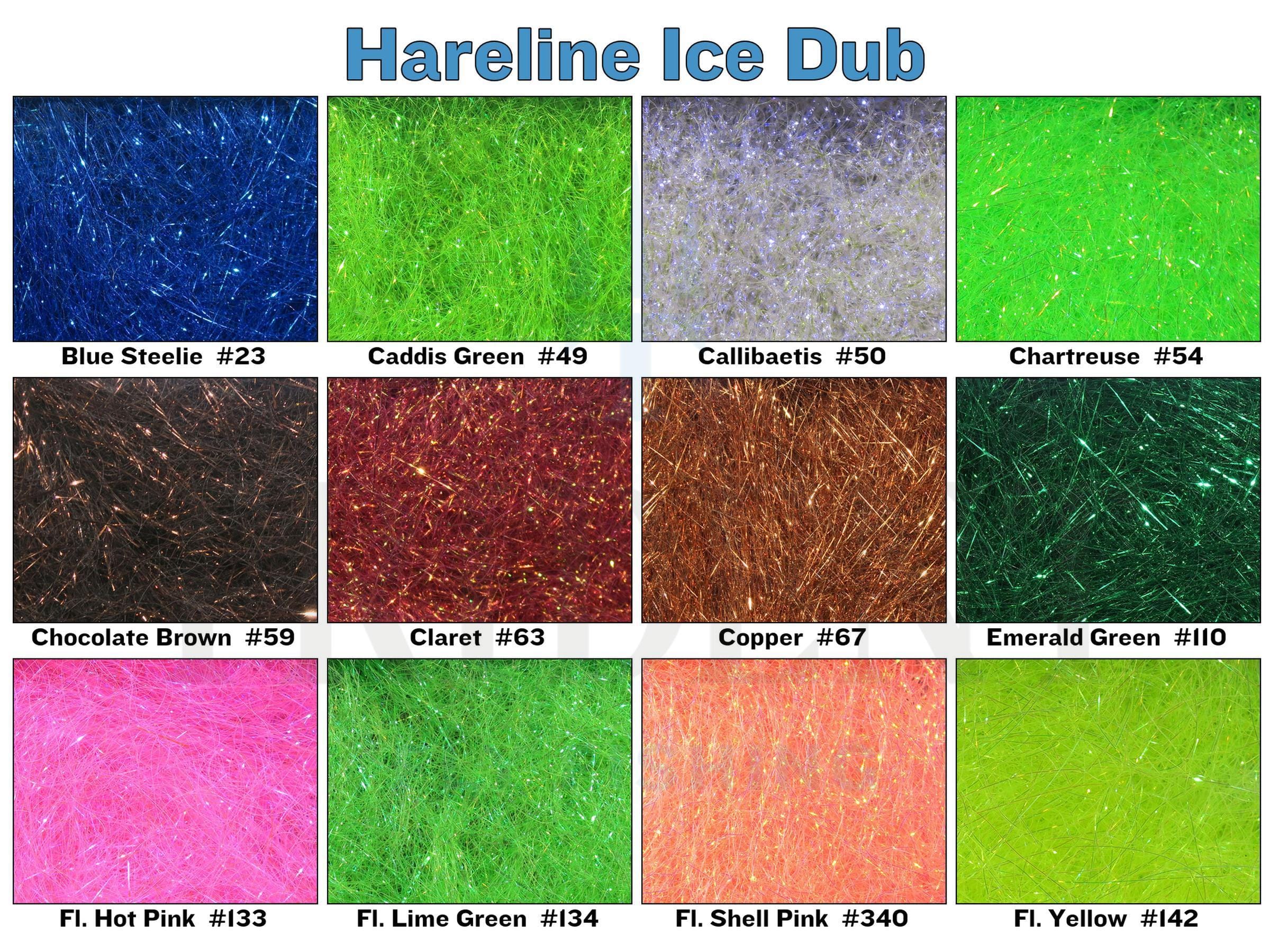
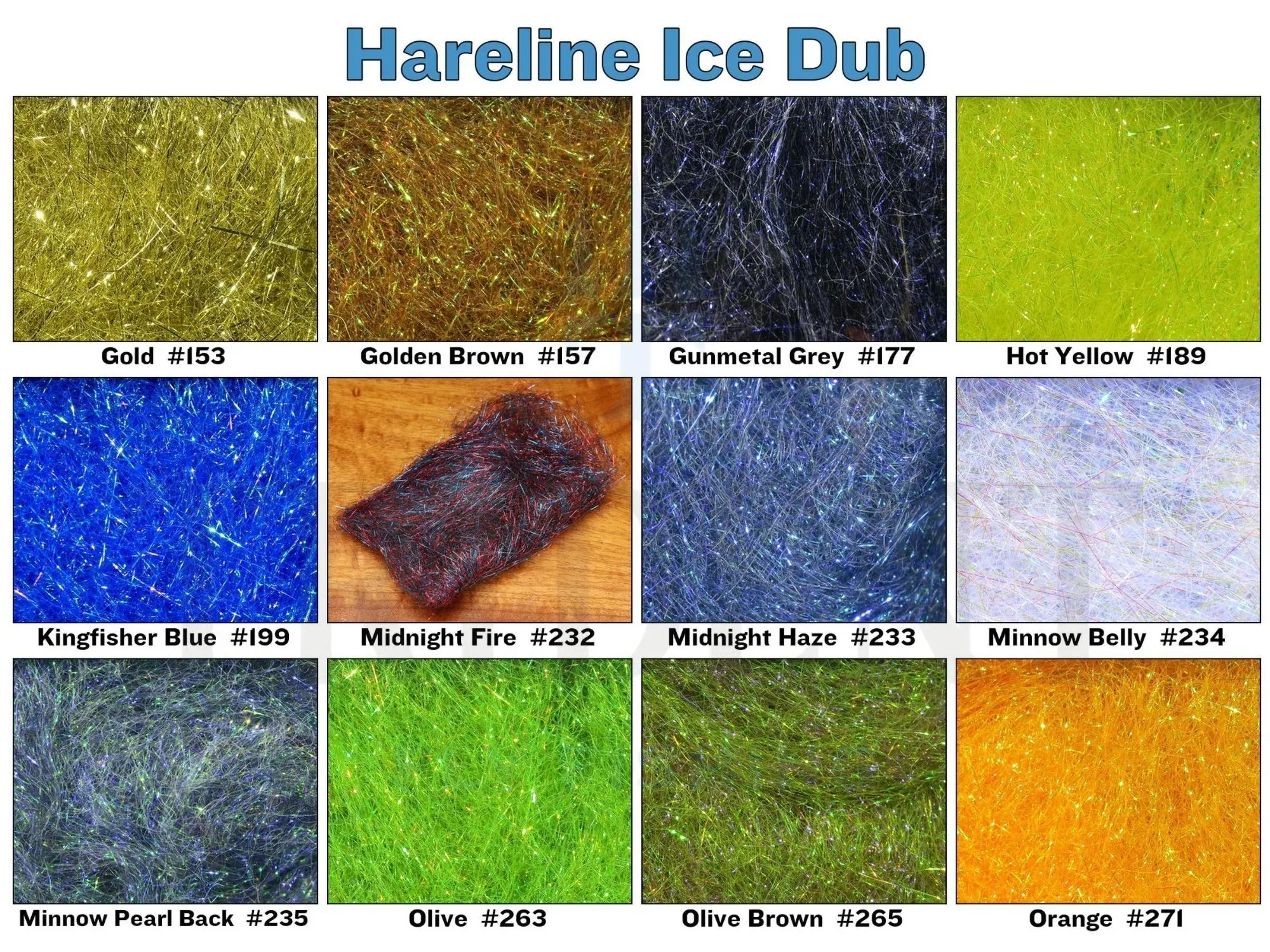
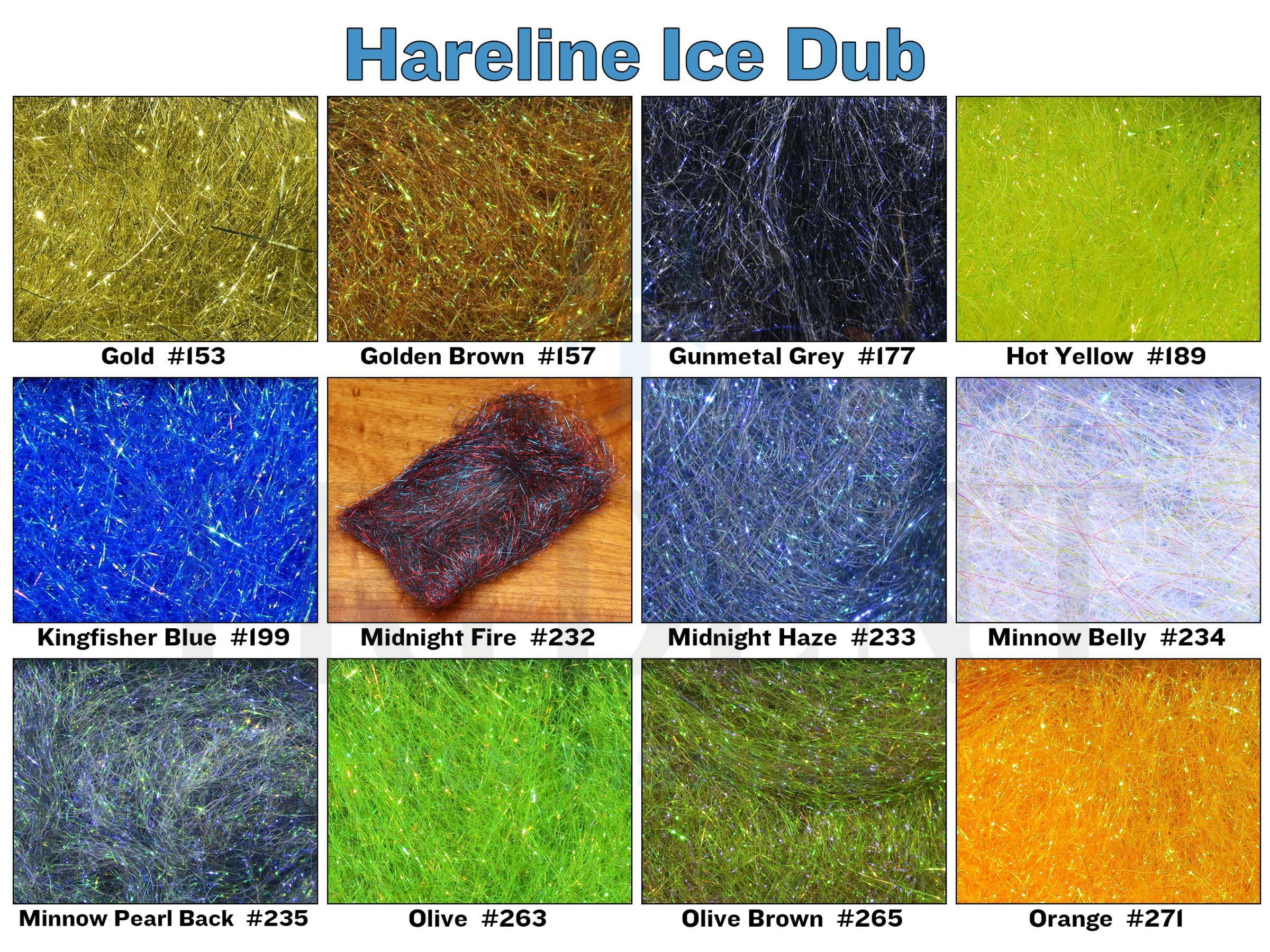
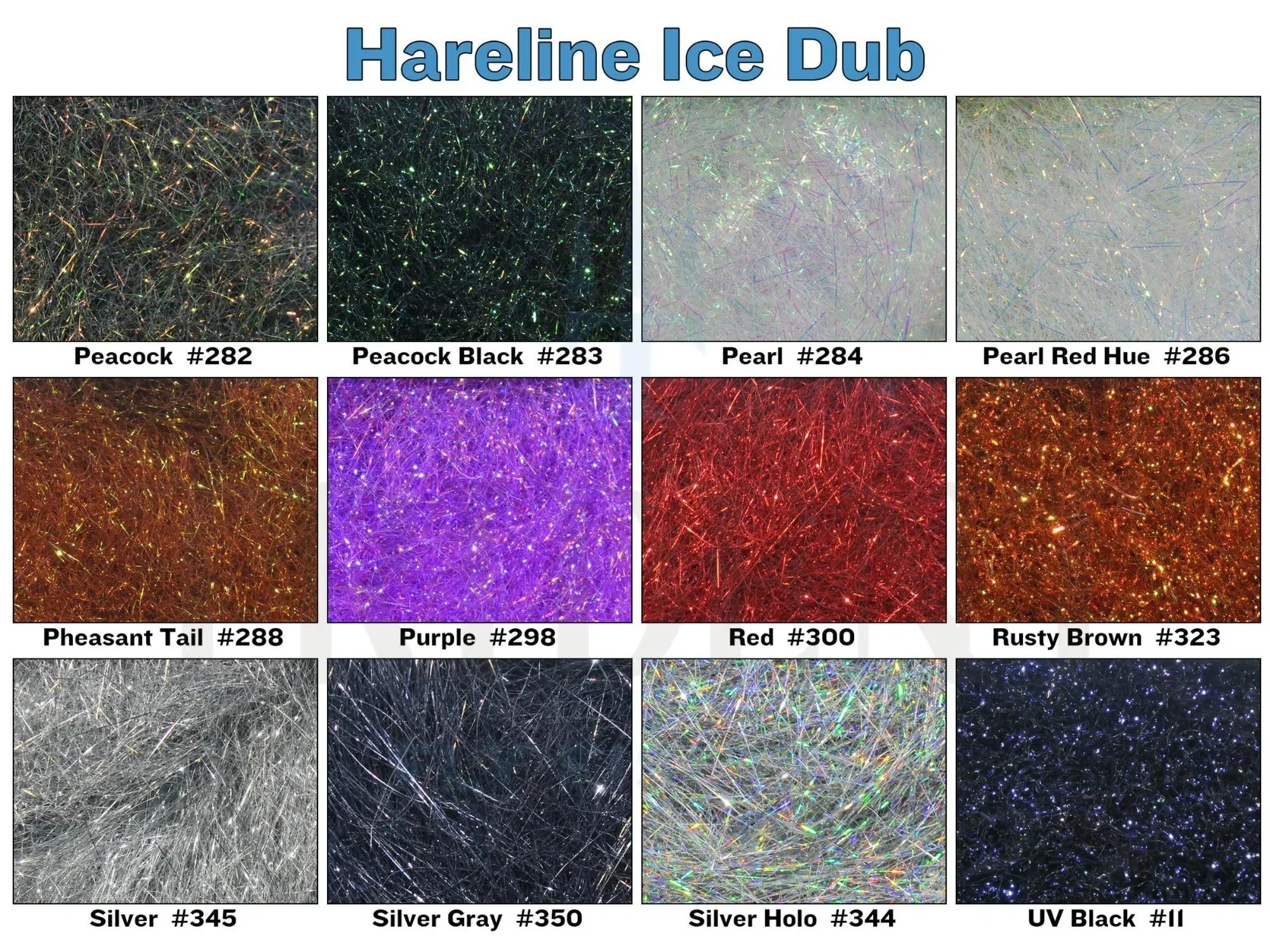
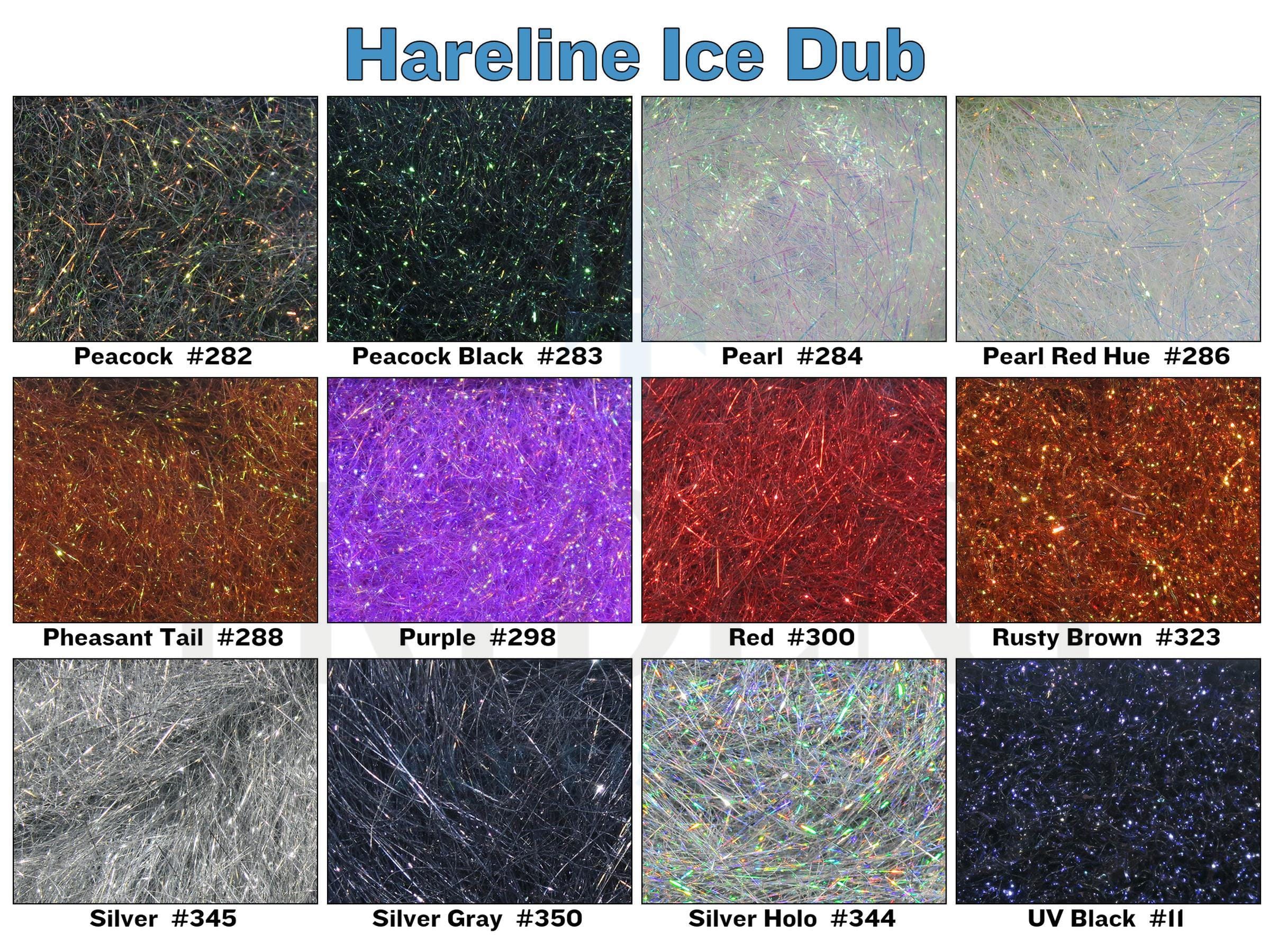
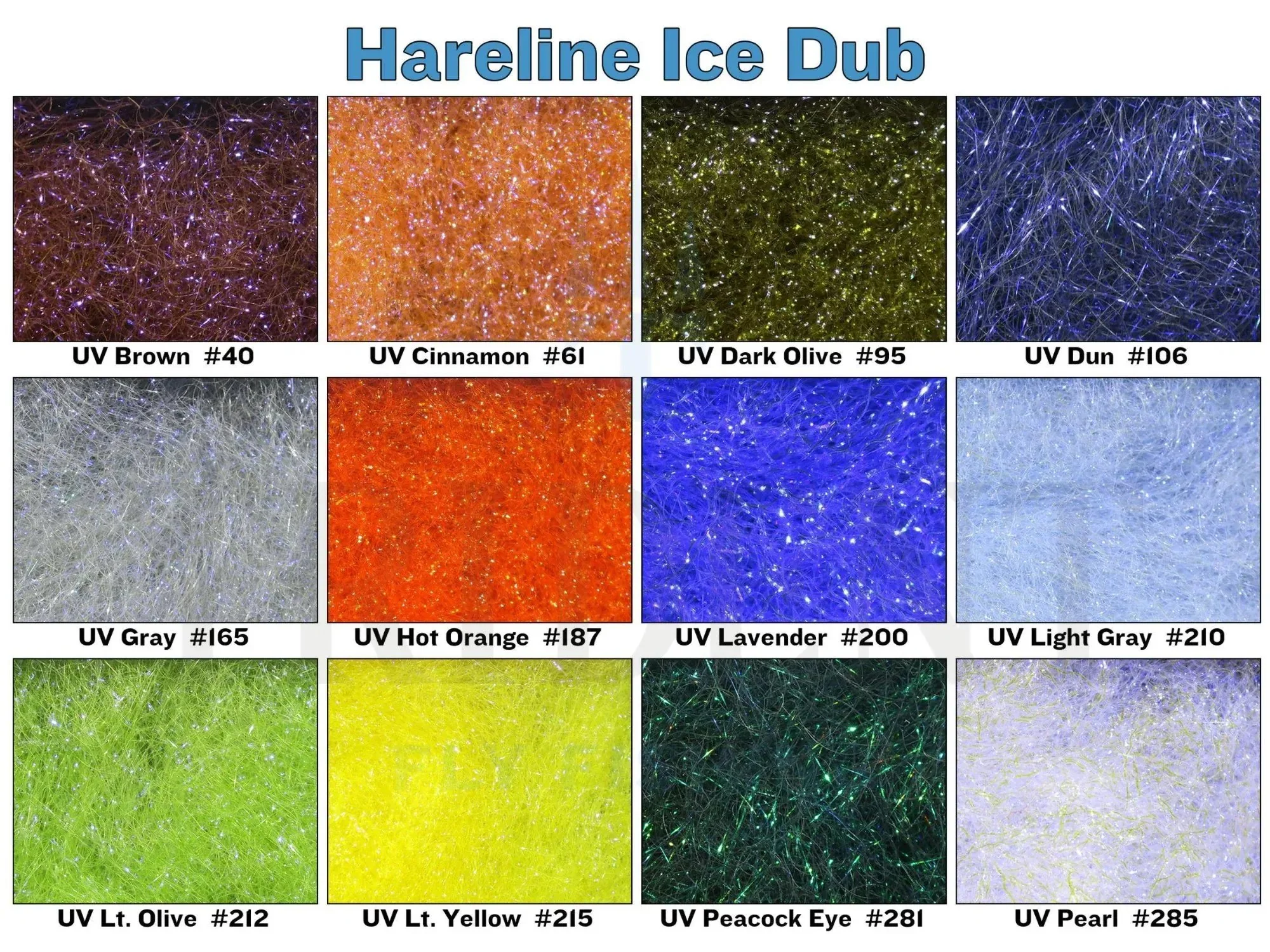
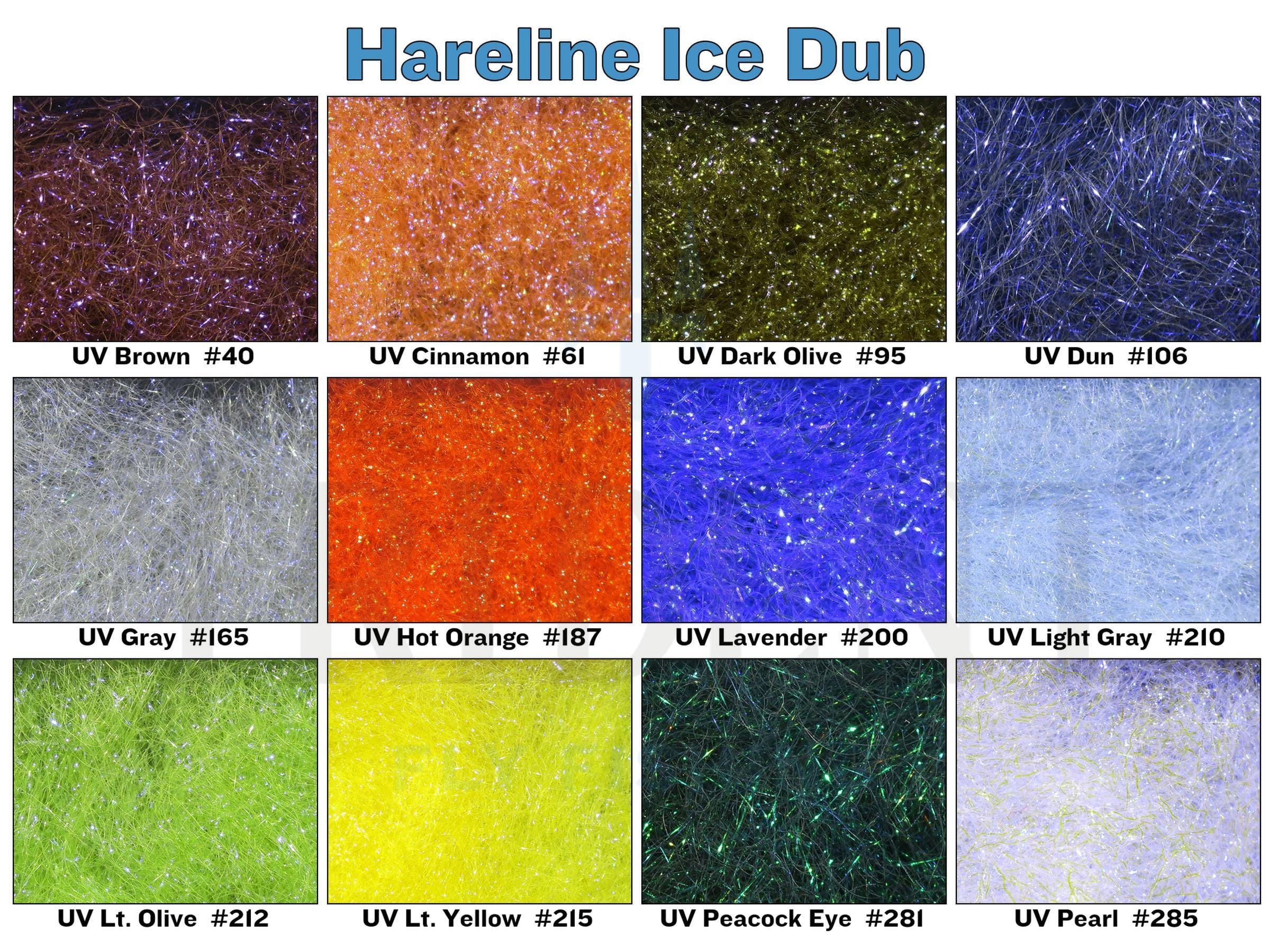
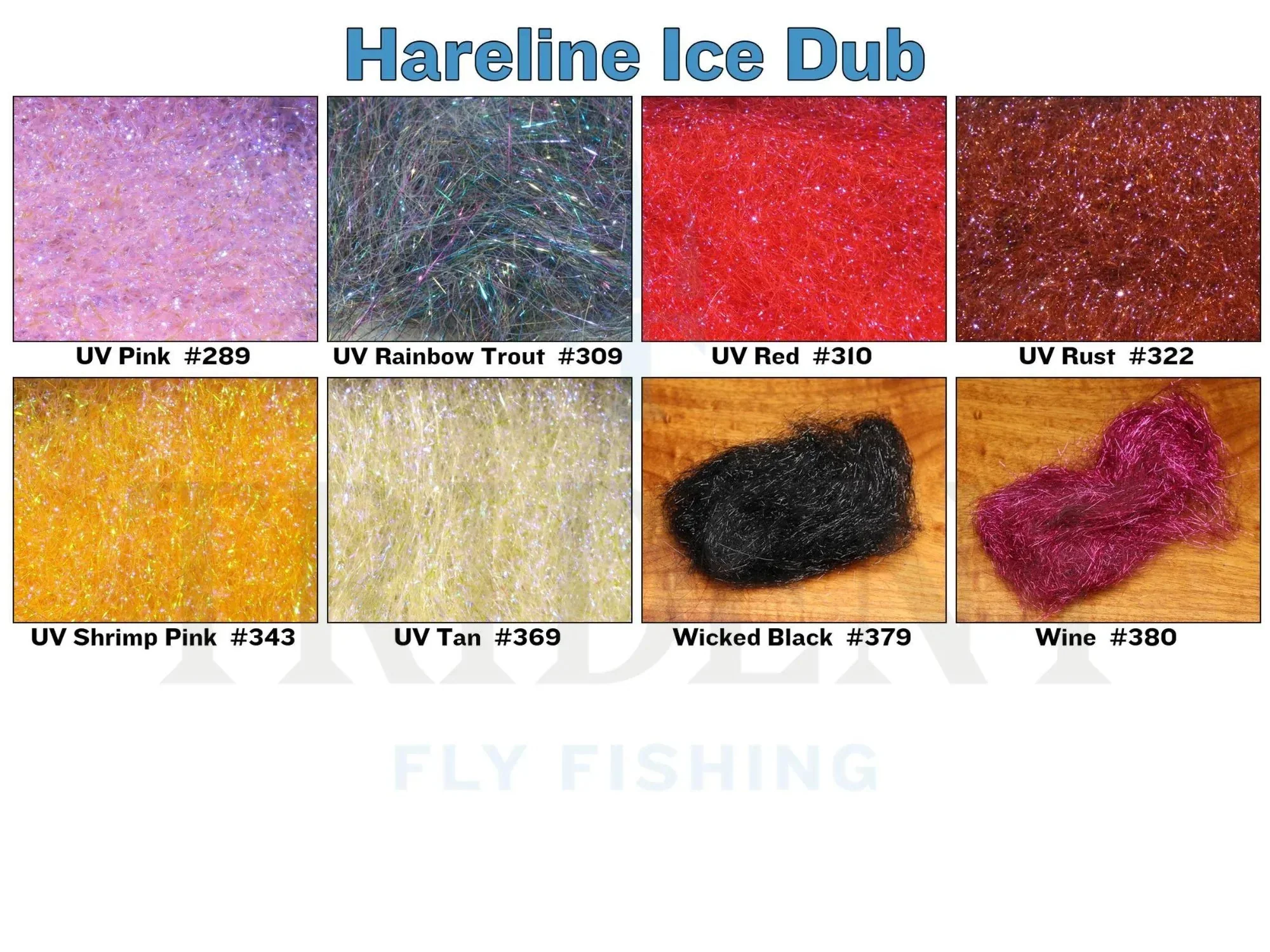
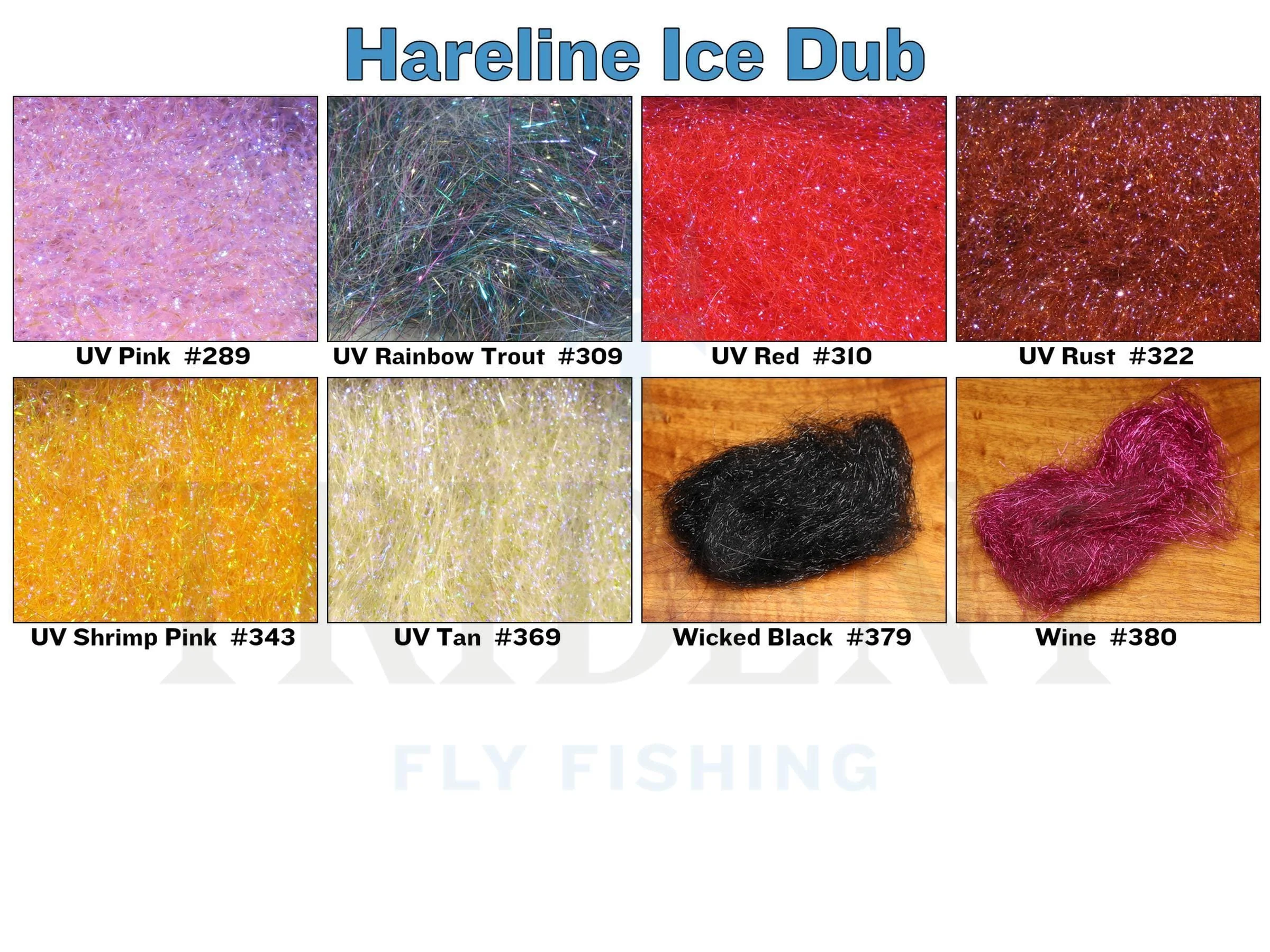
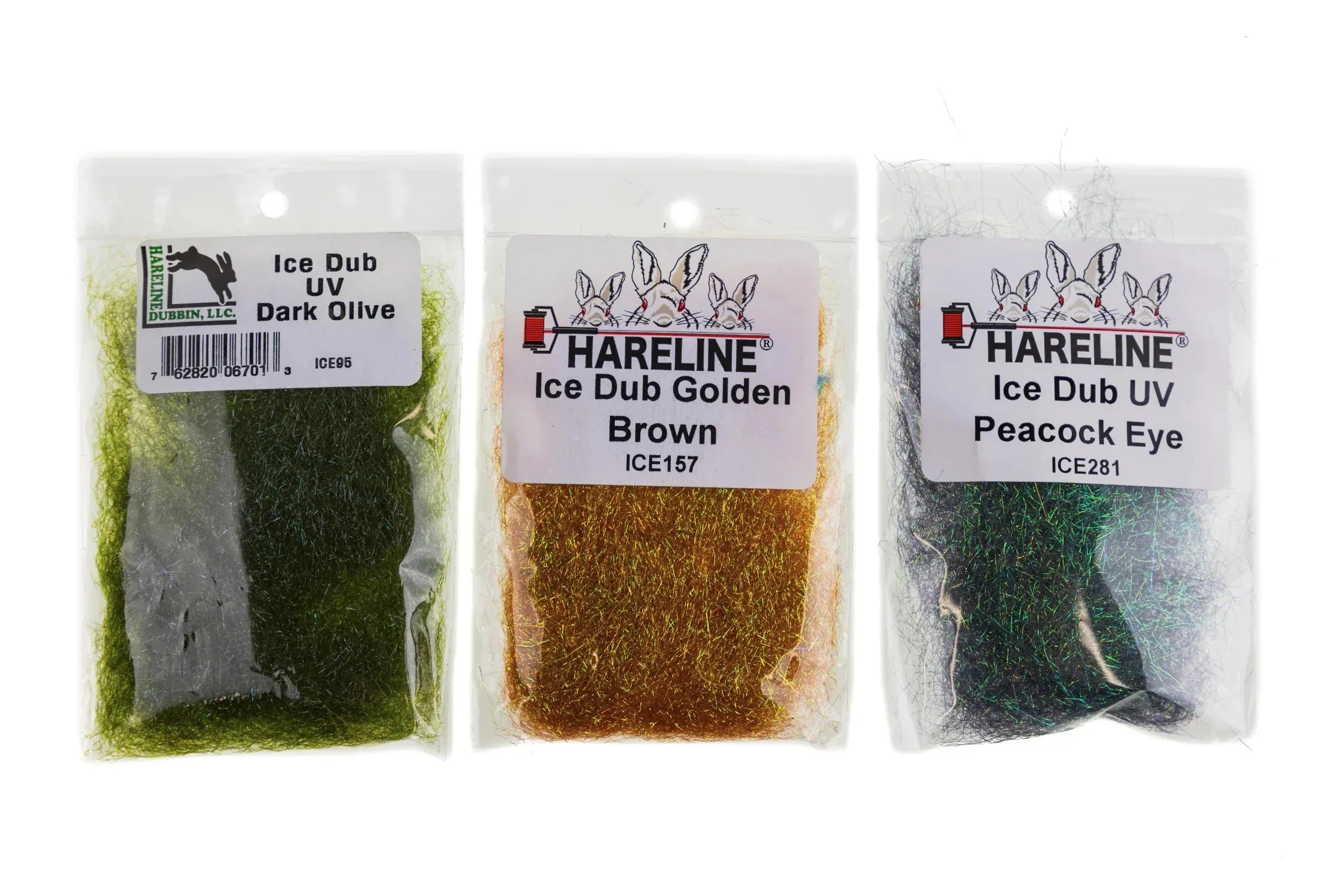
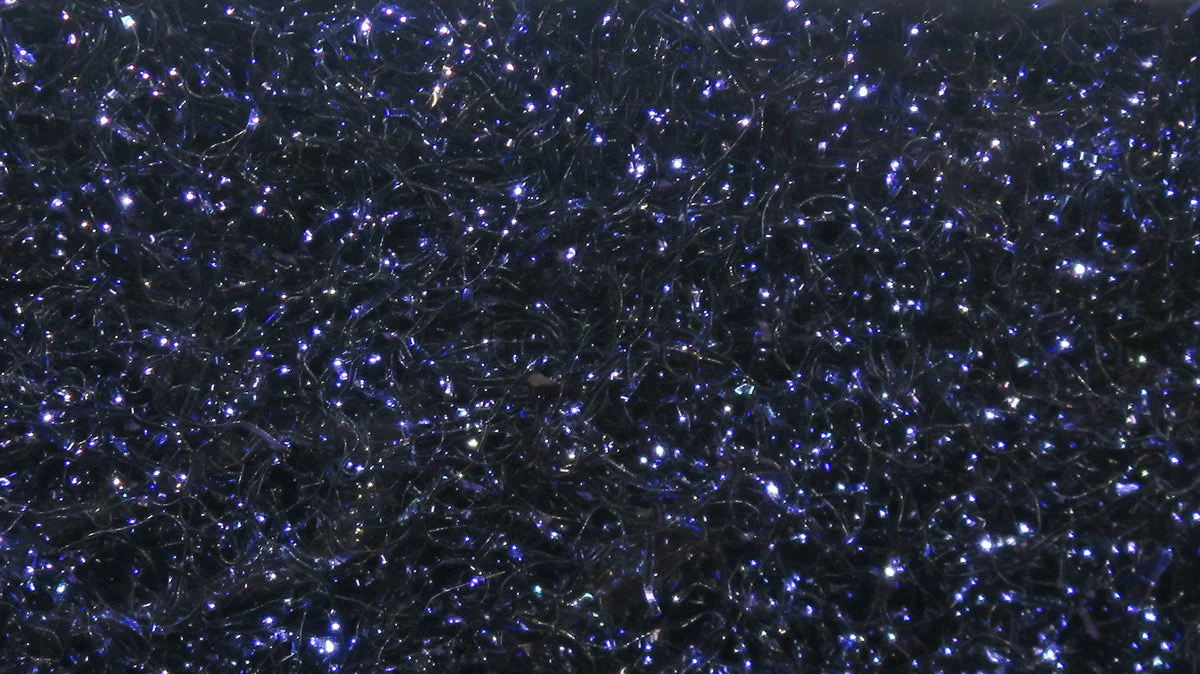
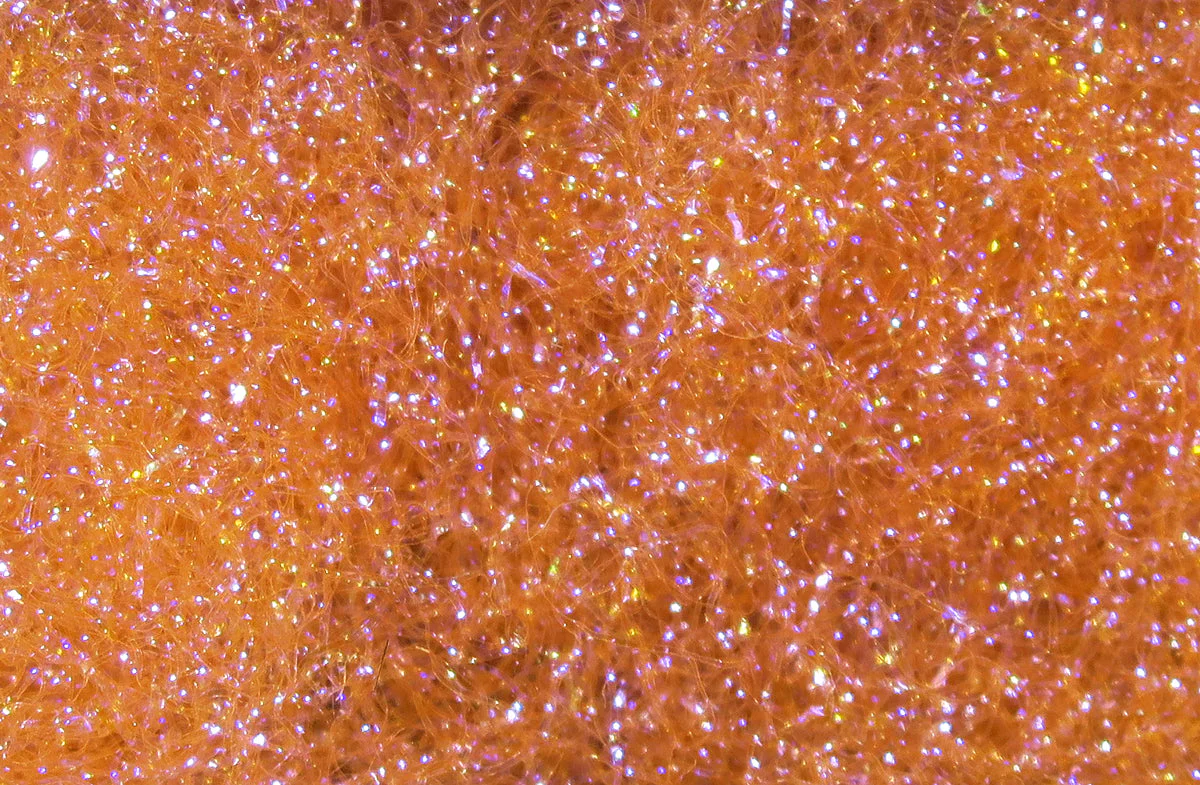
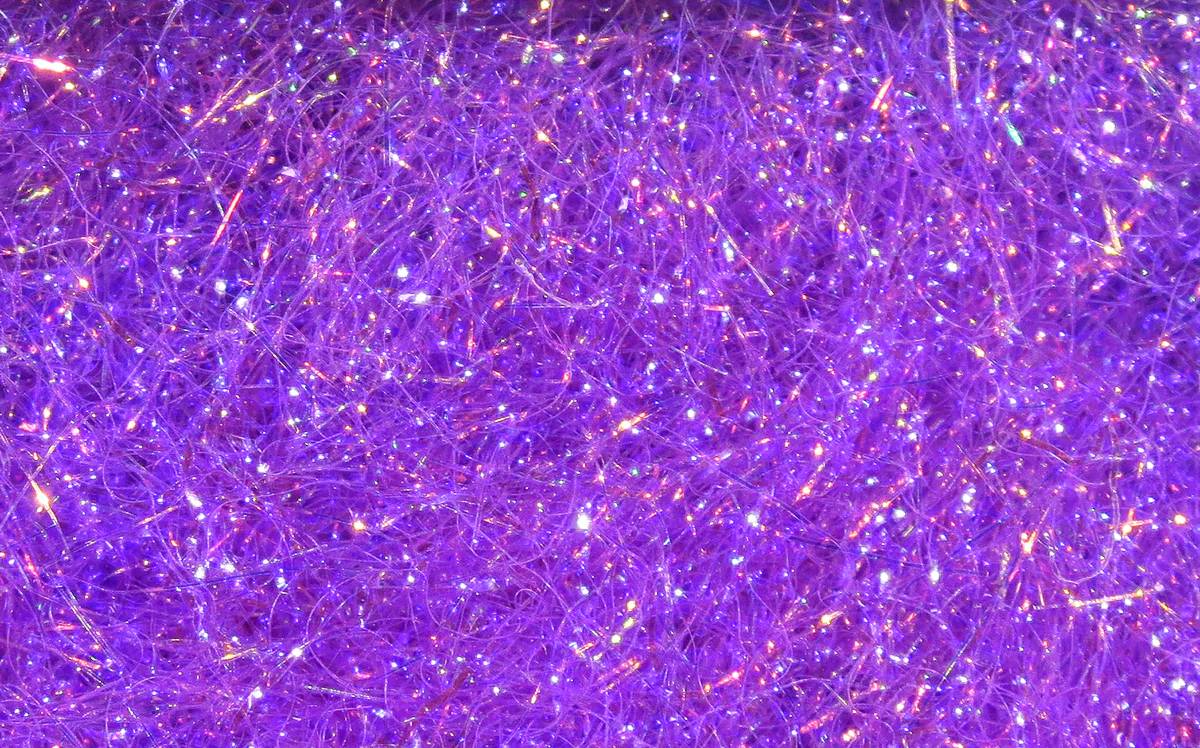
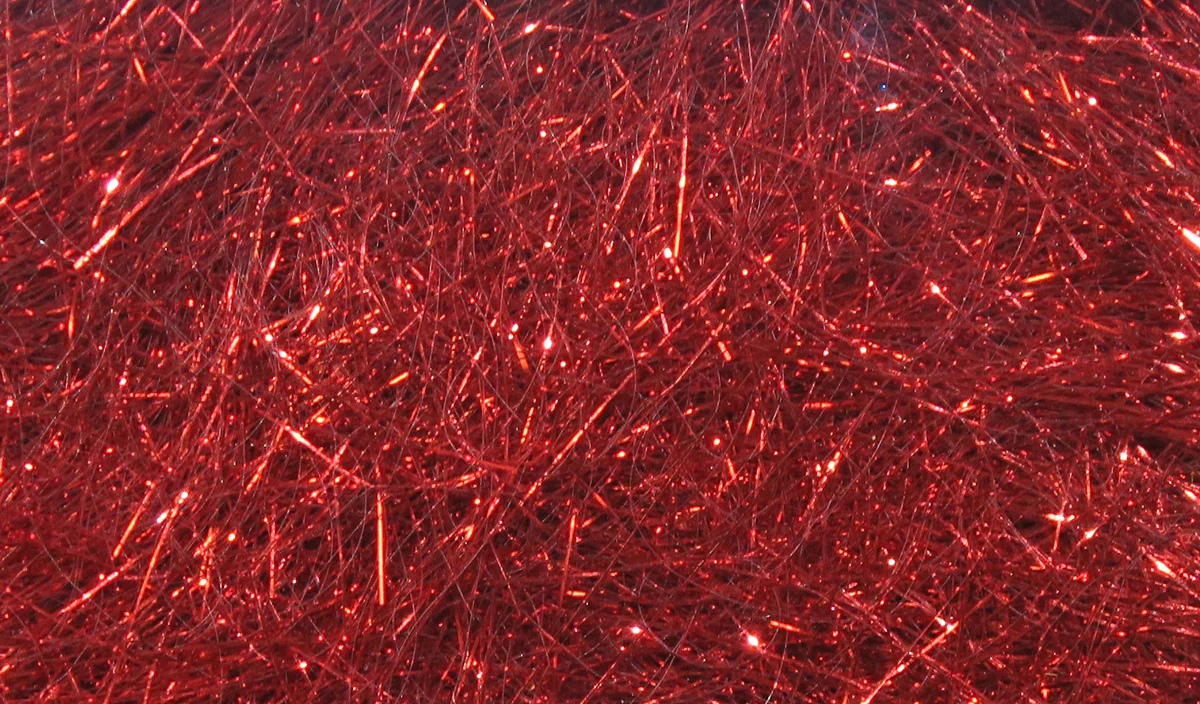
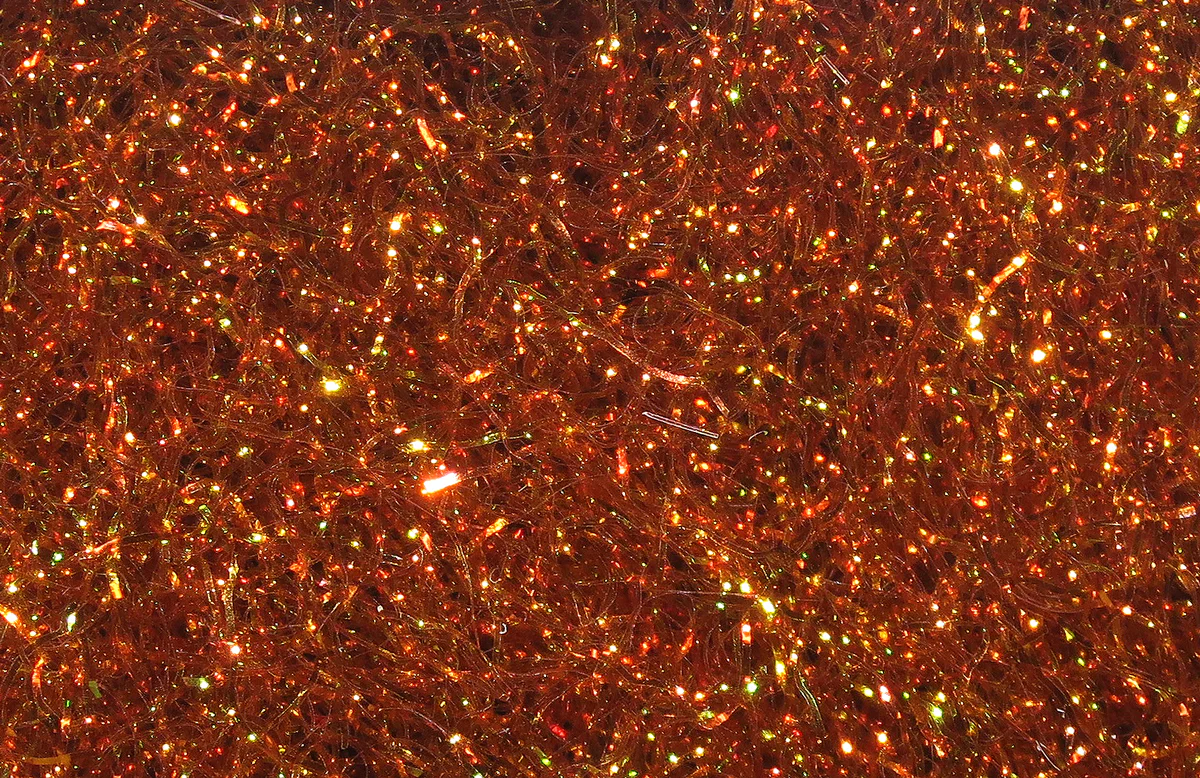
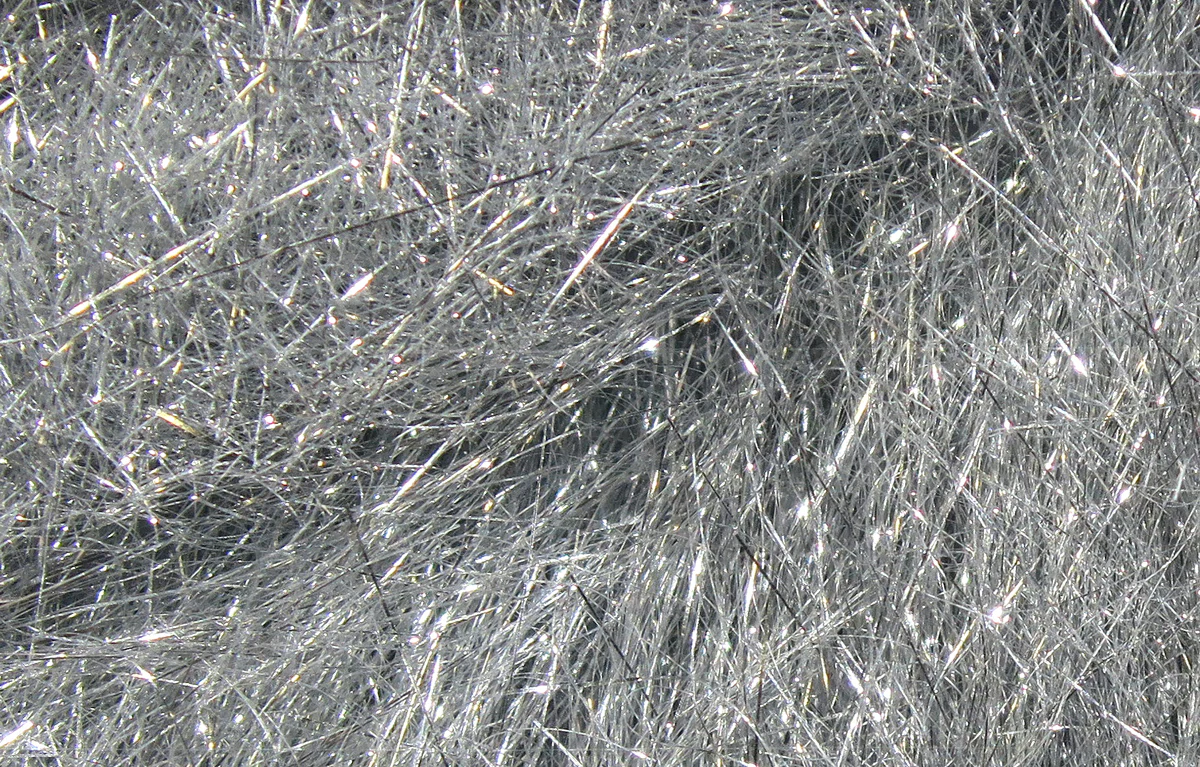
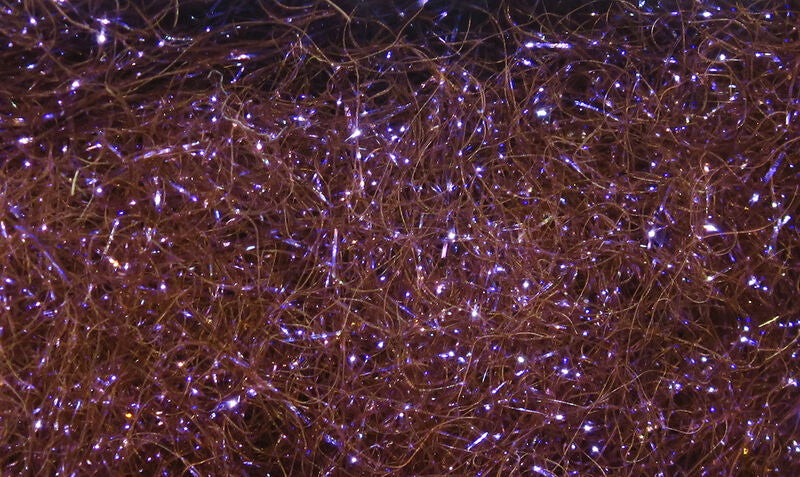
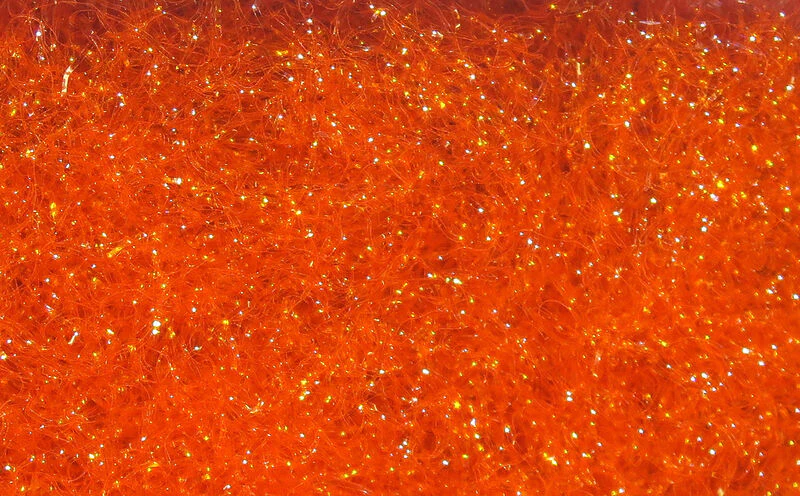
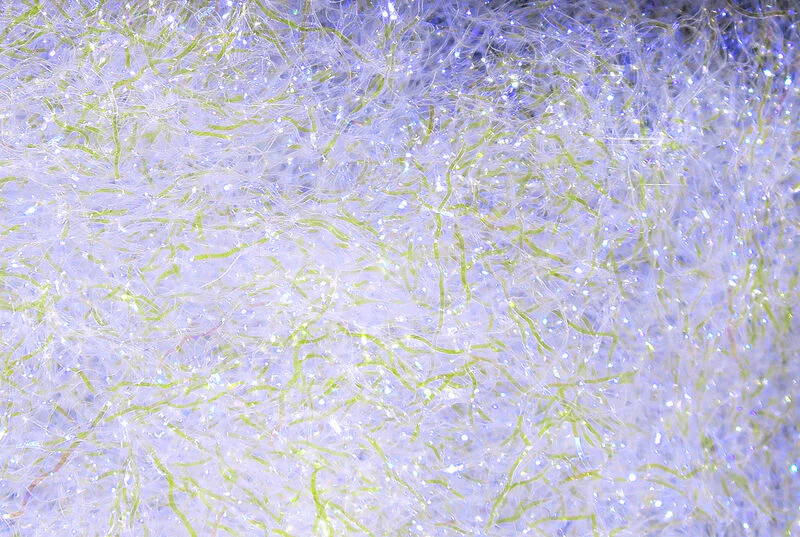
It dubs easily onto tying thread without bulking up the hook shank, so you can add flash to a size 20 midge thorax or a delicate emerger veil without compromising the profile. Available in over forty colors - standard hues, metallic shades, and UV reactive options that glow deep blue in sunlight - Ice Dub holds its shine through hours of fishing without matting down. Buy one bag and you'll find a use for it on nearly every pattern on your bench.
How to Use It
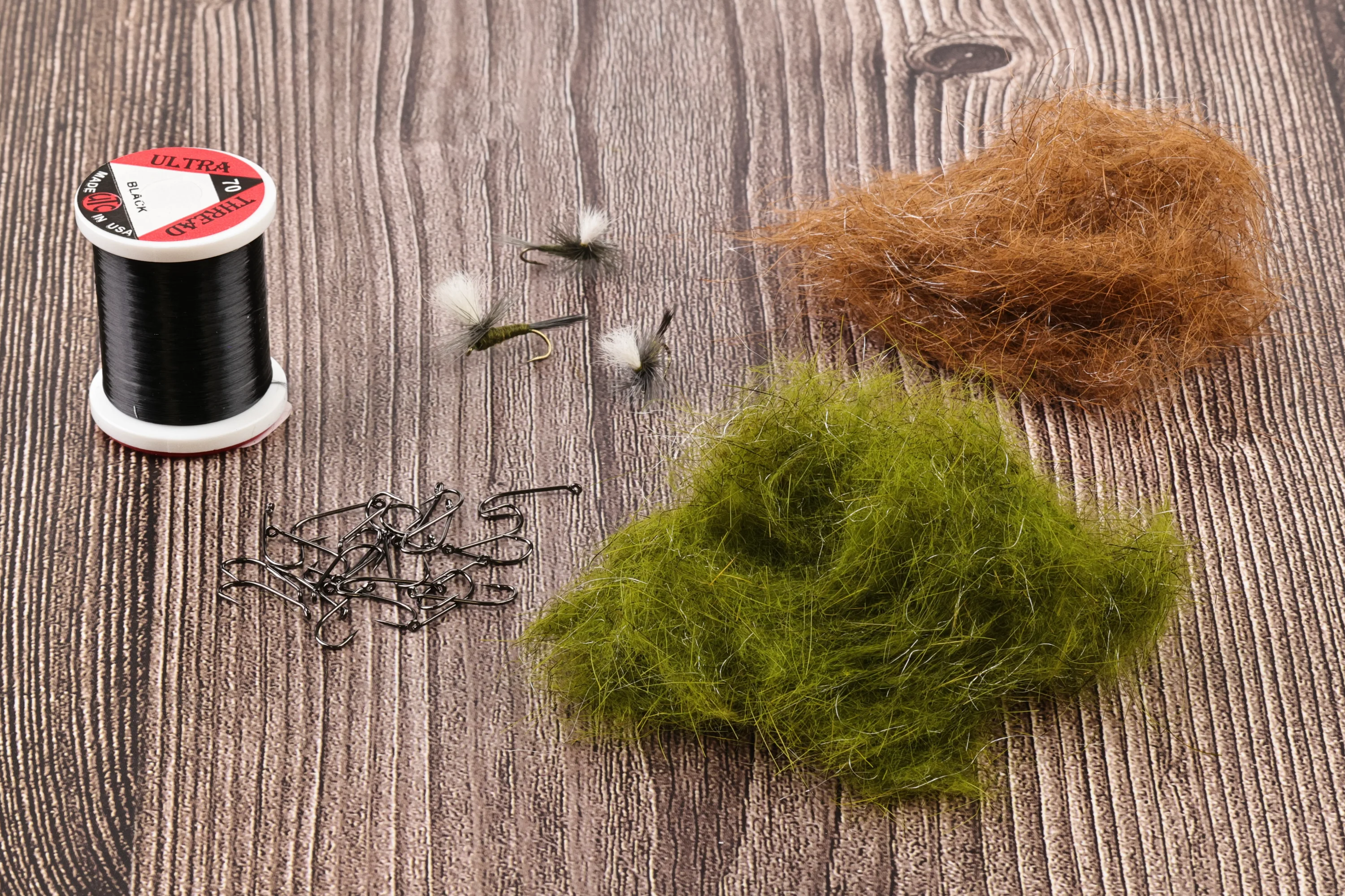
Fly tyers reach for Ice Dub to build shiny abdomens, buggy thoraxes, hotspot collars, and veiled streamer heads across nearly every freshwater and saltwater pattern. For small jig nymphs, midge emergers, and dry flies, pinch a sparse amount, align the fibers, and twist a tight dubbing noodle directly onto waxed thread behind the tungsten bead. For a buggier look on scuds, sowbugs, and larger nymphs, load the fibers into a dubbing loop with a dubbing twister, spin it tight, then brush out the fibers to imitate legs, gills, or trapped gas bubbles. On articulated streamers, leech patterns, and saltwater baitfish imitations, fold the material into longer dubbing brushes or spin it in a fat loop to build wide, flashy collars and translucent heads that push water. The material also blends beautifully with natural dubbings like Hare's Ear, squirrel, or rabbit to add a touch of synthetic flash to traditional soft hackles, wet flies, and caddis patterns without losing the buggy character of the natural fur.
Why We Like It
We like this dubbing because it works equally well at every size and adapts to whatever tying style you throw at it. The fine cut of the synthetic fibers spins easily on the thread and forms a clean noodle with minimal effort, unlike coarser flash materials that fight you when you try to wrap a tapered body. It holds volume underwater, keeps its translucent effect through long drifts, and never mats flat against the hook. The sheer versatility means a single bag covers the tiny thorax of a size 20 midge pupa, the segmented body of a scud, the hotspot on a Euro jig, and the veiled head of a six-inch articulated streamer. That consistency is why it lives within arm's reach on the tying bench whether you are tying for trout, steelhead, salmon, smallmouth, largemouth bass, carp, or saltwater species.
Example Flies
Peanut Envy: Kelly Galloup specifies this exact material in his original articulated streamer recipe to form the segmented body and the front collar. Spin the dubbing in a loop and palmer it forward over the hook shank before wrapping an olive schlappen hackle through it. The dubbing creates a flashy underbody that mimics baitfish scales, while the spun collar pushes water and supports the marabou wing — a critical element for getting the fly to swim with the wounded, kicking action that triggers big trout and smallmouth.
Frenchie Nymph: Lance Egan's original competition Euro nymph recipe calls for a hotspot thorax made from UV Shrimp Pink or UV Pink Ice Dub. Apply a tiny pinch to the thread and wrap a thin, tapered noodle directly behind the tungsten bead. This bright synthetic thorax adds the strike trigger and subtle flash that turns an otherwise drab pheasant tail body into one of the most consistent jig nymphs in competitive fly fishing.
Coffey's Sparkle Minnow: Greg Coffey's original streamer recipe uses this dubbing to build the entire body and belly. Spin gold and pearl colors in a dubbing loop, wrap forward along the hook shank, and brush out the fibers to build a thick, highly reflective profile. The dense flash imitates the scales of a sculpin or minnow, and the synthetic fibers are tough enough to hold up through repeated strikes from trout, smallmouth, and even toothy fish.
UV Elk Hair Caddis: While the traditional Elk Hair Caddis uses natural hair or superfine dubbing for the abdomen, many tyers substitute a UV reactive color of Ice Dub. Twist the material onto the thread to form a tapered body, rib it with fine monofilament, and palmer dry fly hackle forward. The UV flash mimics the trapped air bubbles of an emerging or egg-laying caddis adult, and the synthetic fibers help shed water to keep the dry fly riding high through fast riffles.
Comparisons
Hareline Ice Dub vs Senyo's Laser Dub:
Senyo's Laser Dub blends synthetic flash with longer acrylic staple fibers, while standard Ice Dub is pure Mylar fiber — perfect for tight segmented bodies and pure sparkle. The acrylic fibers in Laser Dub add bulk and structural integrity, letting it hold its shape underwater without collapsing. Choose Ice Dub for nymphs, emergers, and general flash applications, and choose Laser Dub when you need to sculpt large veiled heads on salmon flies, steelhead intruders, and musky streamers.
Hareline Ice Dub vs Spirit River UV2 Diamond Brite Dubbing:
UV2 Diamond Brite is essentially Spirit River's Lite Brite shredded into superfine fibers and treated with their proprietary UV2 double-dye process, which adds both UV fluorescence and UV reflectance to the blend. Standard Ice Dub relies on Mylar flash and a separate UV reactive color line, while Diamond Brite builds the UV trigger directly into every color through the dye treatment — a meaningful edge in turbid water or low-light conditions where UV fluorescence is most visible to fish. Ice Dub has a softer, more uniform fiber profile that spins into tight noodles more easily, making it the better all-around choice for small nymph thoraxes and clean segmented bodies. Reach for Diamond Brite when you specifically want the UV2 trigger on steelhead leech patterns, stained-water nymphs, and hot-spot dubbing applications.
Product Information
Product Information
Shipping & Returns
Shipping & Returns
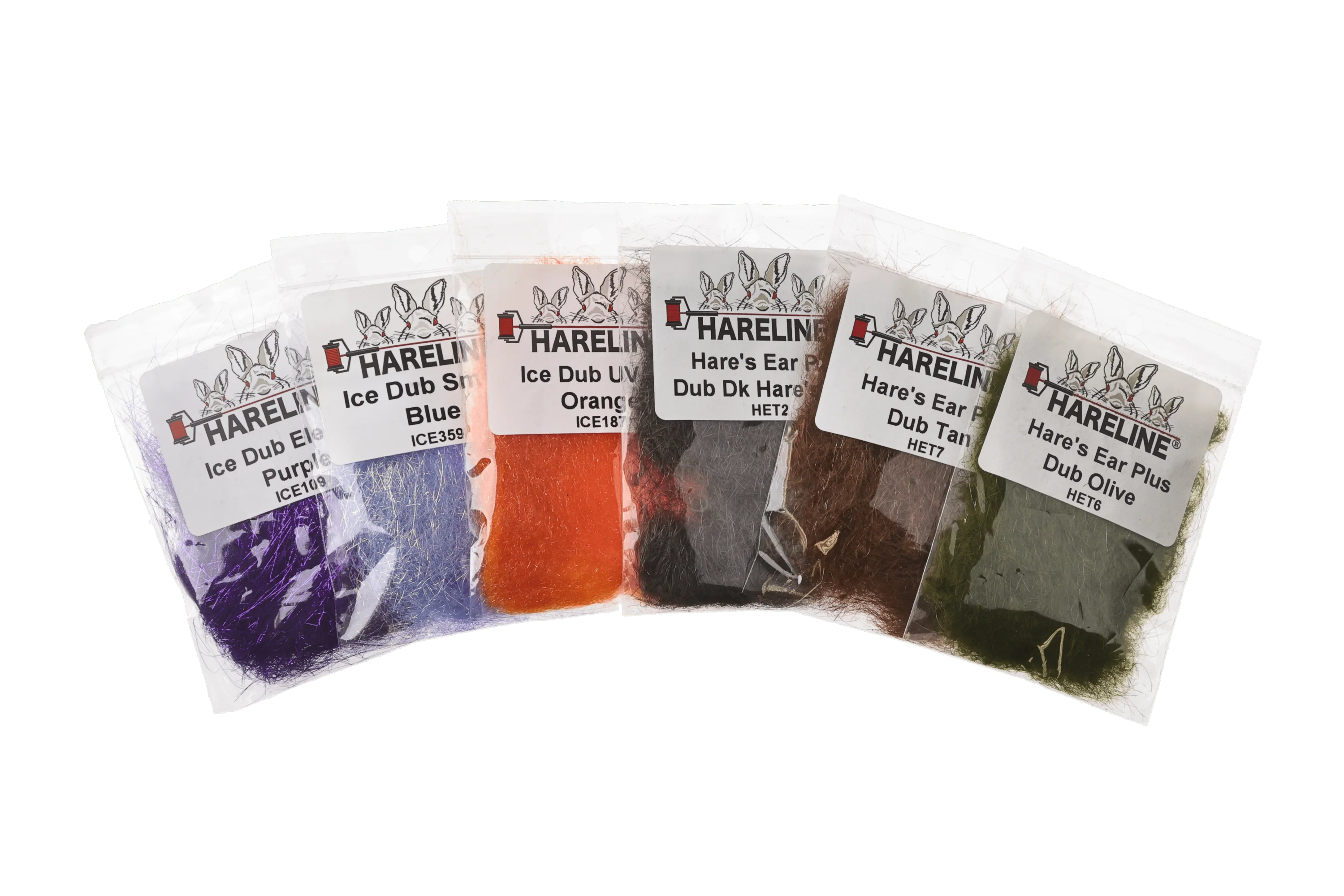
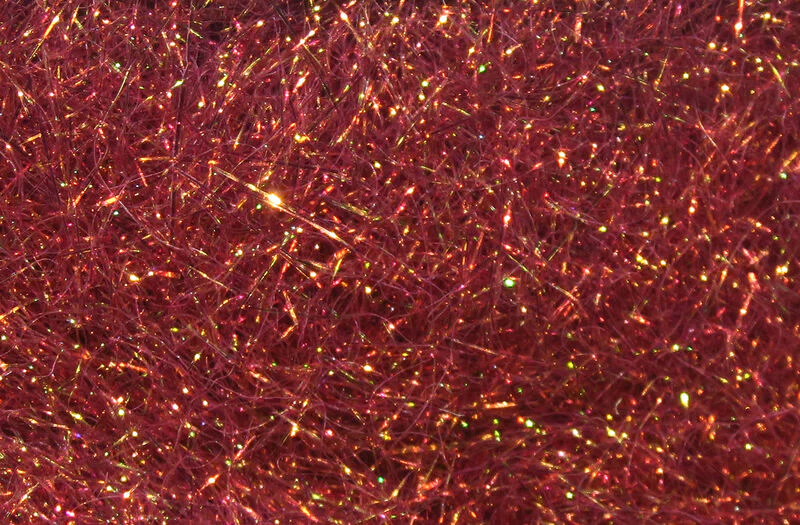
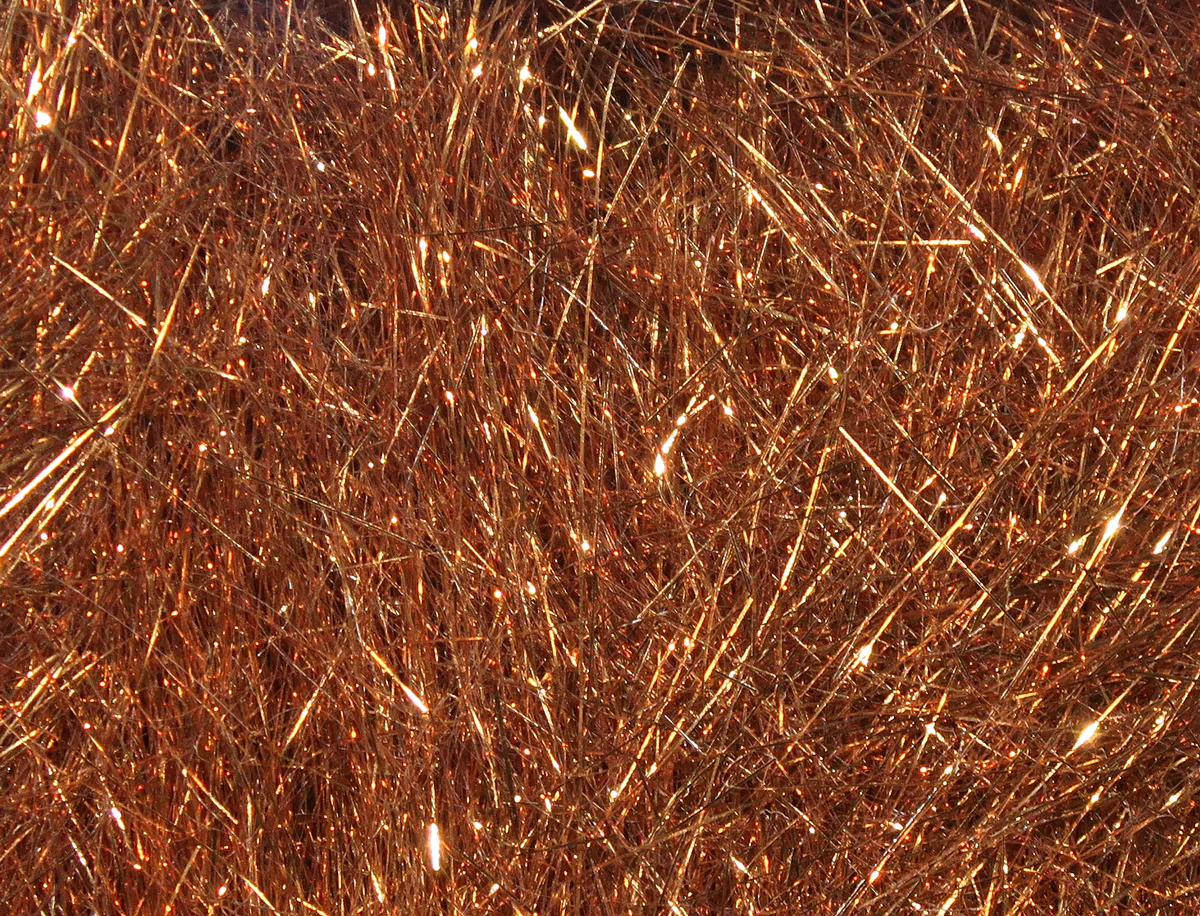
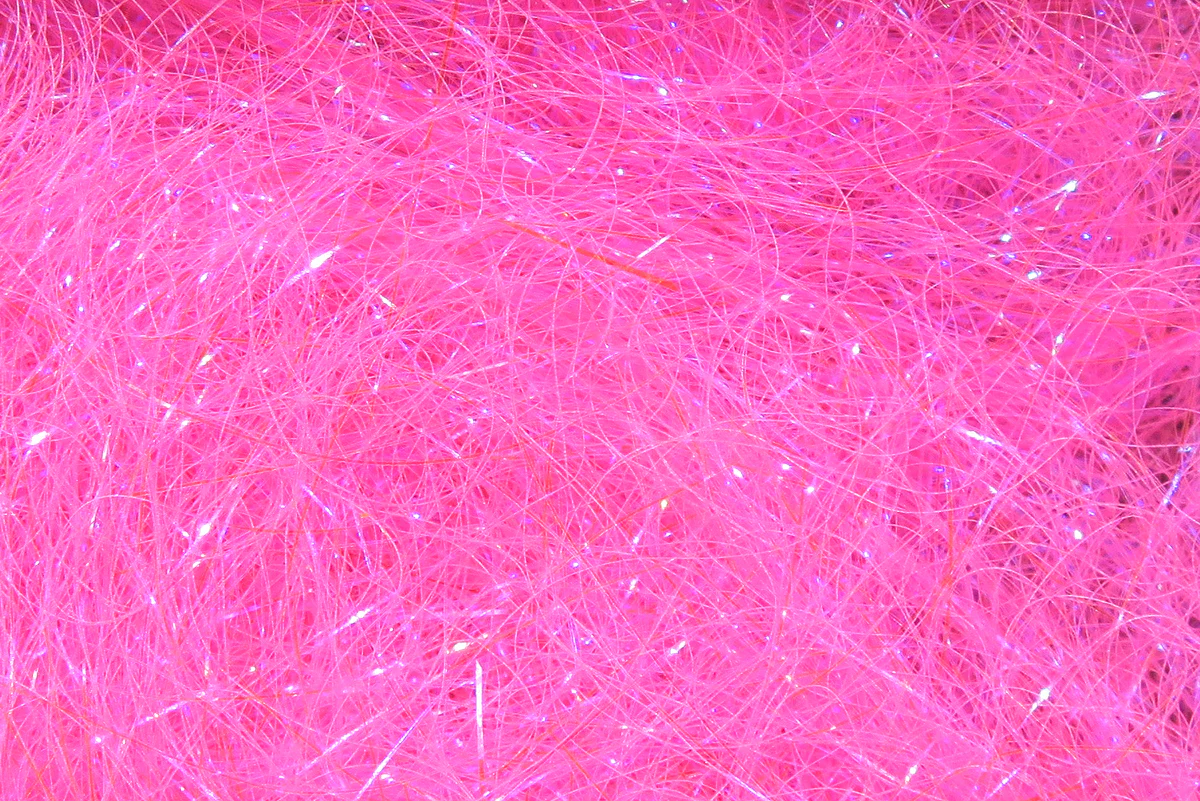
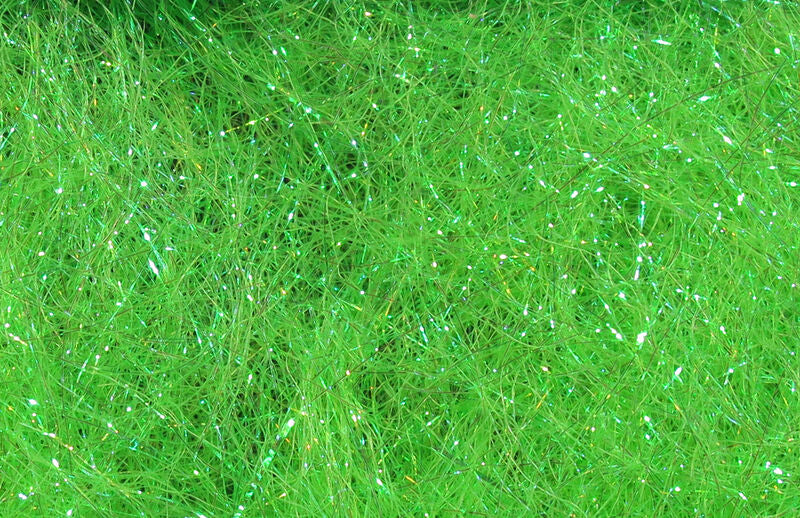
Hareline Ice Dubbing
Hareline Ice Dubbing
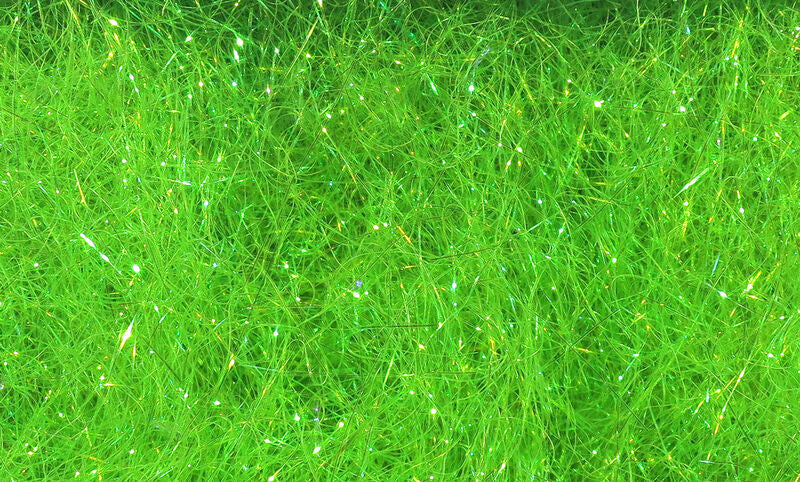
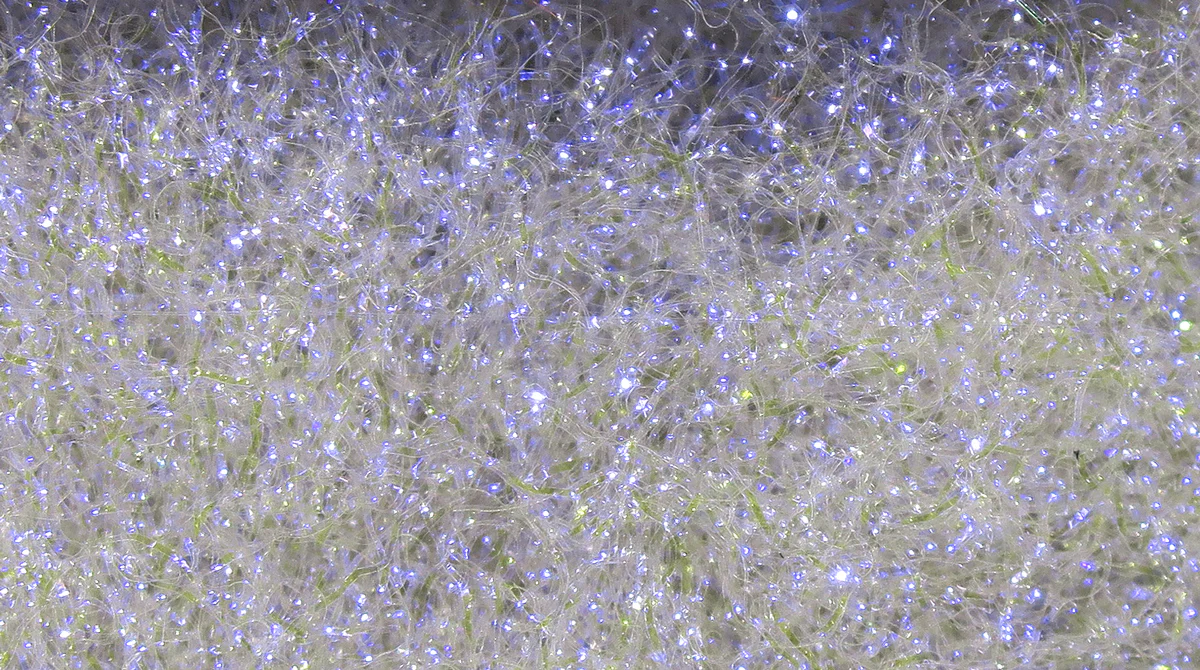
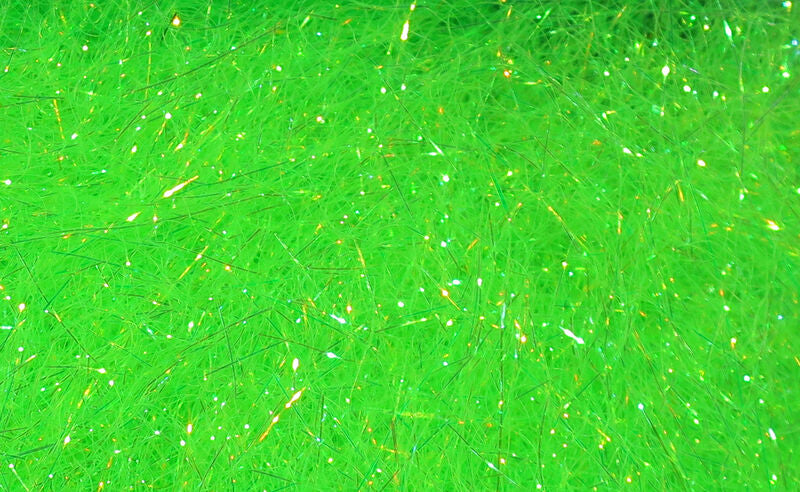
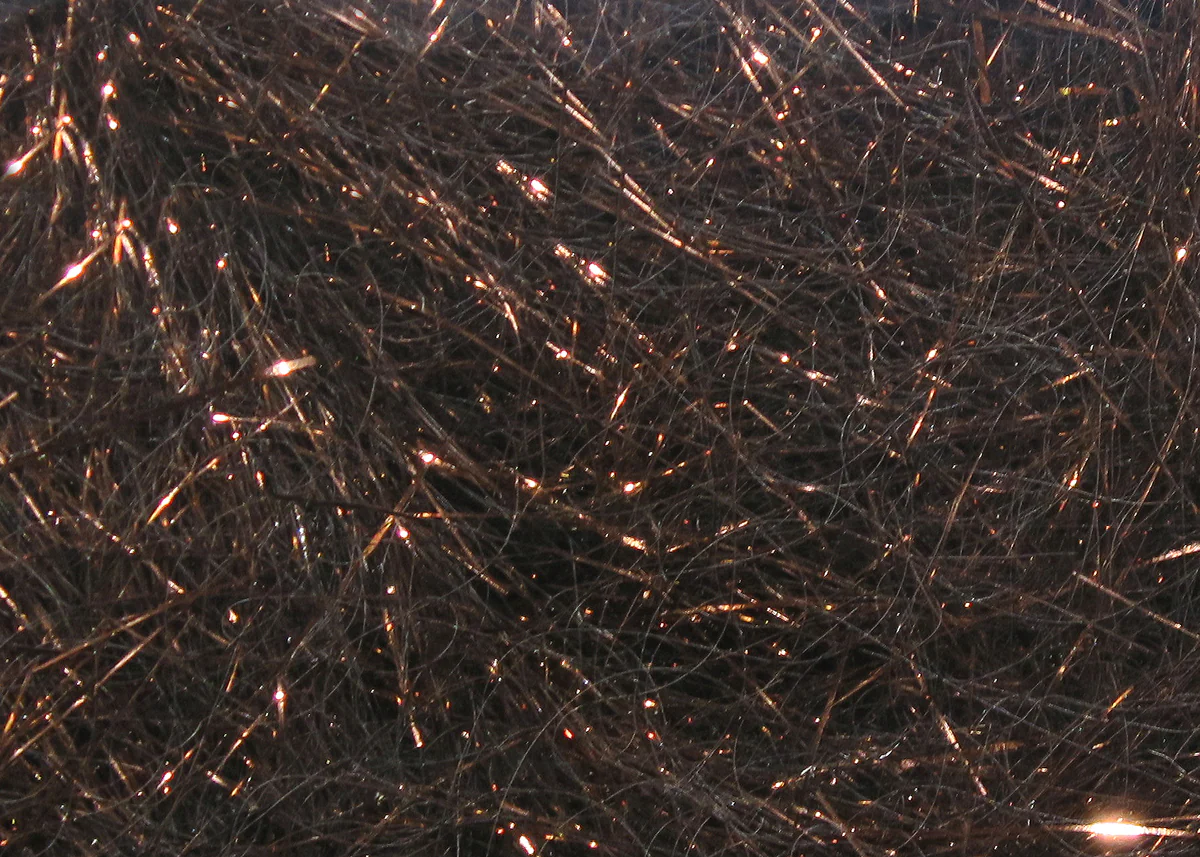
If there is one dubbing that belongs in every fly tyer's kit, it's Hareline Ice Dub. This is the synthetic dubbing that built a thousand hotspots the secret weapon behind countless winning Euro nymphs, the flash in your favorite streamer's belly, and the spark that turns a refusal into an eat. Fine Mylar fibers, roughly one to one and a half inches long, catch light from every angle and bring lifelike sparkle underwater that mimics the trapped air bubbles of an emerging insect and the scales of a wounded baitfish.
It dubs easily onto tying thread without bulking up the hook shank, so you can add flash to a size 20 midge thorax or a delicate emerger veil without compromising the profile. Available in over forty colors - standard hues, metallic shades, and UV reactive options that glow deep blue in sunlight - Ice Dub holds its shine through hours of fishing without matting down. Buy one bag and you'll find a use for it on nearly every pattern on your bench.
How to Use It
Fly tyers reach for Ice Dub to build shiny abdomens, buggy thoraxes, hotspot collars, and veiled streamer heads across nearly every freshwater and saltwater pattern. For small jig nymphs, midge emergers, and dry flies, pinch a sparse amount, align the fibers, and twist a tight dubbing noodle directly onto waxed thread behind the tungsten bead. For a buggier look on scuds, sowbugs, and larger nymphs, load the fibers into a dubbing loop with a dubbing twister, spin it tight, then brush out the fibers to imitate legs, gills, or trapped gas bubbles. On articulated streamers, leech patterns, and saltwater baitfish imitations, fold the material into longer dubbing brushes or spin it in a fat loop to build wide, flashy collars and translucent heads that push water. The material also blends beautifully with natural dubbings like Hare's Ear, squirrel, or rabbit to add a touch of synthetic flash to traditional soft hackles, wet flies, and caddis patterns without losing the buggy character of the natural fur.
Why We Like It
We like this dubbing because it works equally well at every size and adapts to whatever tying style you throw at it. The fine cut of the synthetic fibers spins easily on the thread and forms a clean noodle with minimal effort, unlike coarser flash materials that fight you when you try to wrap a tapered body. It holds volume underwater, keeps its translucent effect through long drifts, and never mats flat against the hook. The sheer versatility means a single bag covers the tiny thorax of a size 20 midge pupa, the segmented body of a scud, the hotspot on a Euro jig, and the veiled head of a six-inch articulated streamer. That consistency is why it lives within arm's reach on the tying bench whether you are tying for trout, steelhead, salmon, smallmouth, largemouth bass, carp, or saltwater species.
Example Flies
Peanut Envy: Kelly Galloup specifies this exact material in his original articulated streamer recipe to form the segmented body and the front collar. Spin the dubbing in a loop and palmer it forward over the hook shank before wrapping an olive schlappen hackle through it. The dubbing creates a flashy underbody that mimics baitfish scales, while the spun collar pushes water and supports the marabou wing — a critical element for getting the fly to swim with the wounded, kicking action that triggers big trout and smallmouth.
Frenchie Nymph: Lance Egan's original competition Euro nymph recipe calls for a hotspot thorax made from UV Shrimp Pink or UV Pink Ice Dub. Apply a tiny pinch to the thread and wrap a thin, tapered noodle directly behind the tungsten bead. This bright synthetic thorax adds the strike trigger and subtle flash that turns an otherwise drab pheasant tail body into one of the most consistent jig nymphs in competitive fly fishing.
Coffey's Sparkle Minnow: Greg Coffey's original streamer recipe uses this dubbing to build the entire body and belly. Spin gold and pearl colors in a dubbing loop, wrap forward along the hook shank, and brush out the fibers to build a thick, highly reflective profile. The dense flash imitates the scales of a sculpin or minnow, and the synthetic fibers are tough enough to hold up through repeated strikes from trout, smallmouth, and even toothy fish.
UV Elk Hair Caddis: While the traditional Elk Hair Caddis uses natural hair or superfine dubbing for the abdomen, many tyers substitute a UV reactive color of Ice Dub. Twist the material onto the thread to form a tapered body, rib it with fine monofilament, and palmer dry fly hackle forward. The UV flash mimics the trapped air bubbles of an emerging or egg-laying caddis adult, and the synthetic fibers help shed water to keep the dry fly riding high through fast riffles.
Comparisons
Hareline Ice Dub vs Senyo's Laser Dub:
Senyo's Laser Dub blends synthetic flash with longer acrylic staple fibers, while standard Ice Dub is pure Mylar fiber — perfect for tight segmented bodies and pure sparkle. The acrylic fibers in Laser Dub add bulk and structural integrity, letting it hold its shape underwater without collapsing. Choose Ice Dub for nymphs, emergers, and general flash applications, and choose Laser Dub when you need to sculpt large veiled heads on salmon flies, steelhead intruders, and musky streamers.
Hareline Ice Dub vs Spirit River UV2 Diamond Brite Dubbing:
UV2 Diamond Brite is essentially Spirit River's Lite Brite shredded into superfine fibers and treated with their proprietary UV2 double-dye process, which adds both UV fluorescence and UV reflectance to the blend. Standard Ice Dub relies on Mylar flash and a separate UV reactive color line, while Diamond Brite builds the UV trigger directly into every color through the dye treatment — a meaningful edge in turbid water or low-light conditions where UV fluorescence is most visible to fish. Ice Dub has a softer, more uniform fiber profile that spins into tight noodles more easily, making it the better all-around choice for small nymph thoraxes and clean segmented bodies. Reach for Diamond Brite when you specifically want the UV2 trigger on steelhead leech patterns, stained-water nymphs, and hot-spot dubbing applications.
Original: $2.99
-65%$2.99
$1.05Product Information
Product Information
Shipping & Returns
Shipping & Returns
Description
If there is one dubbing that belongs in every fly tyer's kit, it's Hareline Ice Dub. This is the synthetic dubbing that built a thousand hotspots the secret weapon behind countless winning Euro nymphs, the flash in your favorite streamer's belly, and the spark that turns a refusal into an eat. Fine Mylar fibers, roughly one to one and a half inches long, catch light from every angle and bring lifelike sparkle underwater that mimics the trapped air bubbles of an emerging insect and the scales of a wounded baitfish.
It dubs easily onto tying thread without bulking up the hook shank, so you can add flash to a size 20 midge thorax or a delicate emerger veil without compromising the profile. Available in over forty colors - standard hues, metallic shades, and UV reactive options that glow deep blue in sunlight - Ice Dub holds its shine through hours of fishing without matting down. Buy one bag and you'll find a use for it on nearly every pattern on your bench.
How to Use It
Fly tyers reach for Ice Dub to build shiny abdomens, buggy thoraxes, hotspot collars, and veiled streamer heads across nearly every freshwater and saltwater pattern. For small jig nymphs, midge emergers, and dry flies, pinch a sparse amount, align the fibers, and twist a tight dubbing noodle directly onto waxed thread behind the tungsten bead. For a buggier look on scuds, sowbugs, and larger nymphs, load the fibers into a dubbing loop with a dubbing twister, spin it tight, then brush out the fibers to imitate legs, gills, or trapped gas bubbles. On articulated streamers, leech patterns, and saltwater baitfish imitations, fold the material into longer dubbing brushes or spin it in a fat loop to build wide, flashy collars and translucent heads that push water. The material also blends beautifully with natural dubbings like Hare's Ear, squirrel, or rabbit to add a touch of synthetic flash to traditional soft hackles, wet flies, and caddis patterns without losing the buggy character of the natural fur.
Why We Like It
We like this dubbing because it works equally well at every size and adapts to whatever tying style you throw at it. The fine cut of the synthetic fibers spins easily on the thread and forms a clean noodle with minimal effort, unlike coarser flash materials that fight you when you try to wrap a tapered body. It holds volume underwater, keeps its translucent effect through long drifts, and never mats flat against the hook. The sheer versatility means a single bag covers the tiny thorax of a size 20 midge pupa, the segmented body of a scud, the hotspot on a Euro jig, and the veiled head of a six-inch articulated streamer. That consistency is why it lives within arm's reach on the tying bench whether you are tying for trout, steelhead, salmon, smallmouth, largemouth bass, carp, or saltwater species.
Example Flies
Peanut Envy: Kelly Galloup specifies this exact material in his original articulated streamer recipe to form the segmented body and the front collar. Spin the dubbing in a loop and palmer it forward over the hook shank before wrapping an olive schlappen hackle through it. The dubbing creates a flashy underbody that mimics baitfish scales, while the spun collar pushes water and supports the marabou wing — a critical element for getting the fly to swim with the wounded, kicking action that triggers big trout and smallmouth.
Frenchie Nymph: Lance Egan's original competition Euro nymph recipe calls for a hotspot thorax made from UV Shrimp Pink or UV Pink Ice Dub. Apply a tiny pinch to the thread and wrap a thin, tapered noodle directly behind the tungsten bead. This bright synthetic thorax adds the strike trigger and subtle flash that turns an otherwise drab pheasant tail body into one of the most consistent jig nymphs in competitive fly fishing.
Coffey's Sparkle Minnow: Greg Coffey's original streamer recipe uses this dubbing to build the entire body and belly. Spin gold and pearl colors in a dubbing loop, wrap forward along the hook shank, and brush out the fibers to build a thick, highly reflective profile. The dense flash imitates the scales of a sculpin or minnow, and the synthetic fibers are tough enough to hold up through repeated strikes from trout, smallmouth, and even toothy fish.
UV Elk Hair Caddis: While the traditional Elk Hair Caddis uses natural hair or superfine dubbing for the abdomen, many tyers substitute a UV reactive color of Ice Dub. Twist the material onto the thread to form a tapered body, rib it with fine monofilament, and palmer dry fly hackle forward. The UV flash mimics the trapped air bubbles of an emerging or egg-laying caddis adult, and the synthetic fibers help shed water to keep the dry fly riding high through fast riffles.
Comparisons
Hareline Ice Dub vs Senyo's Laser Dub:
Senyo's Laser Dub blends synthetic flash with longer acrylic staple fibers, while standard Ice Dub is pure Mylar fiber — perfect for tight segmented bodies and pure sparkle. The acrylic fibers in Laser Dub add bulk and structural integrity, letting it hold its shape underwater without collapsing. Choose Ice Dub for nymphs, emergers, and general flash applications, and choose Laser Dub when you need to sculpt large veiled heads on salmon flies, steelhead intruders, and musky streamers.
Hareline Ice Dub vs Spirit River UV2 Diamond Brite Dubbing:
UV2 Diamond Brite is essentially Spirit River's Lite Brite shredded into superfine fibers and treated with their proprietary UV2 double-dye process, which adds both UV fluorescence and UV reflectance to the blend. Standard Ice Dub relies on Mylar flash and a separate UV reactive color line, while Diamond Brite builds the UV trigger directly into every color through the dye treatment — a meaningful edge in turbid water or low-light conditions where UV fluorescence is most visible to fish. Ice Dub has a softer, more uniform fiber profile that spins into tight noodles more easily, making it the better all-around choice for small nymph thoraxes and clean segmented bodies. Reach for Diamond Brite when you specifically want the UV2 trigger on steelhead leech patterns, stained-water nymphs, and hot-spot dubbing applications.